CDC Advisory Committee Meeting on Vaccines Starts Tomorrow

The CDC ADVISORY COMMITTEE ON IMMUNIZATION PRACTICES (ACIP) is scheduled to begin their meeting tomorrow at 10:00 AM ET despite US Senator Bill Cassidy’s recommendation that it be postponed due to concerns about the lack of experience of the committee members and because there is not yet confirmation of a new CDC Director.

In fact, the CDC Director nominee, Dr. Susan Monarez, of Wisconsin, is scheduled for her confirmation hearing at the same time as the start of the CDC ACIP meeting tomorrow morning at 10:00 AM ET. Dr. Monarez would be the first CDC director “…in decades…” (according to a report posted in The Hill in May) who has neither previously worked at the CDC “…nor obtained a Doctor of Medicine degree…”

As of this morning around 10:00 AM, the meeting agenda has not yet been finalized. So far, it looks like there will be no vote on the Covid-19 vaccine update, although there will be a vote on Thimerosal in flu vaccines about which the FDA has previously published an extensive summary.  

FDA Vaccines and Related Biological Products Advisory Committee Meeting May 22, 2025

The meeting of the FDA VRBPAC on the composition of Covid-19 vaccines will be tomorrow, May 22, 2025 at 8:30 am-4:30 pm EST. Some materials have recently become available on the FDA website.

The briefing document indicates that there will be a discussion of the most recent Covid-19 variants and whether the current vaccine needs to be modified as the viral antigenic strain has mutated.

The World Health Organization has formed a new technical advisory group: “Technical Advisory Group on COVID19 Vaccine Composition (TAG-CO-VAC) to review and assess the public health implications of emerging SARS-CoV-2 variants of concern (VOCs) on the performance of COVID-19 vaccines and to provide recommendations to WHO on proposed modifications to COVID-19 vaccine antigen composition. Recently, the TAG-CO-VAC advised that a monovalent JN.1 or KP.2 vaccines remain as appropriate vaccine antigen, while a monovalent LP.8.1 is a suitable alternative vaccine antigen (Ref: https://www.who.int/news/item/15-05-2025-statement-on-the-antigen-composition-of-covid-19-vaccines) to be included in the composition of COVID-19 vaccines (2025-2026 Formula).”

The VRBPAC meeting topics:

“On May 22, 2025, VRBPAC will meet in open session to discuss and make recommendations on the selection of the 2025-2026 Formula for COVID-19 vaccines for use in the U.S. The committee will be asked to discuss available evidence on recent and currently circulating SARS-CoV-2 variants, including data from virus surveillance and genomic analyses, antigenic characterization analyses, vaccine effectiveness and clinical immunogenicity studies of current U.S.- authorized/approved COVID-19 vaccines and nonclinical immunogenicity studies of candidate vaccines expressing or containing updated Spike antigens.”

The attendees include:

The TAG-CO-VAC presenter:

Kanta Subbarao, M.B.B.S., M.P.H. Professor Department of Microbiology and Immunology Faculty of Medicine Laval University (Laval University is in Quebec City, Quebec, Canada).

There’s an Iowa City member on the committee roster:

Stanley M. Perlman, M.D., Ph.D. Expertise: Pediatrics, Infectious Diseases Term: 08/23/2022 – 01/31/2026 Professor University of Iowa Distinguished Chair Department of Microbiology and Immunology Carver College of Medicine University of Iowa, Iowa City, IA 52242.

And the acting chair of the meeting will once again be: Arnold Monto, M.D. Expertise: Epidemiology Term: 02/01/2022 – 01/31/2026 Thomas Francis Jr. Collegiate Professor Emeritus of Public Health and Epidemiology School of Public Health University of Michigan Ann Arbor, MI 48109.

Vaccine manufacturer presentations will be from Moderna, Pfizer, Novavax, and Sanofi.

FDA Has Yet to Decide on What to Do About the Clozapine REMS Program

I checked on what the FDA is doing about changing or closing down the Clozapine REMS program. It doesn’t look like they’ve taken any action yet. Recall there was a Clozapine REMS Advisory Committee meeting about this on November 19, 2024 that I posted about recently. The upshot was that the committee voted overwhelmingly (14 yes to 1 No) to get rid of the Clozapine REMS program.

What I didn’t realize until today was that a former colleague of mine was a member of the committee. Dr. Jess Fiedorowicz, MD, PhD was on staff at The University of Iowa Health Care in the past and is now head of the Dept of Mental Health at The Ottawa Hospital in Ottawa, Ontario in Canada. I’ve included the YouTube video below of the meeting and you can find Dr. Fiedorowicz’s remarks via Zoom video at around the 8:05 or so mark into the meeting. You can view his vote to shut down the REMS program at around 8:33.

I also found out about a group called The Angry Moms (those who care for family members on clozapine) who are focused on stopping the Clozapine REMS program and one of their web pages makes it pretty clear they’re not happy that the FDA has not made a decision about REMS yet.

They mention Dr. Gil Honigfeld, PhD who I’d never heard of until now. You can tell from his T-shirt how he feels about clozapine. He has been called the “Godfather of Clozapine” and his opinion about the REMS program along with a short history of clozapine can be found at this link.

I don’t know what the FDA will do about the Advisory Committee’s recommendation, but I hope they do it soon.

Clozapine REMS Program May Go Away

The Psychiatric Times published an article about the large majority of FDA committee members recently voting to dismiss the Risk Evaluation and Mitigation Strategy (REMS) for clozapine.

That reminded me of my short post about Cobenfy, a new drug for schizophrenia. It has side effects but none of which necessitate the need for a REMS program. If you do a web search for information on Cobenfy and REMS, you can ignore the Artificial Intelligence (AI) Gemini notification at the top of the Google Chrome search page saying that “Cobenfy…is subject to a REMS (Risk Evaluation and Mitigation Strategy) due to potential side effects like urinary retention.” That’s not true.

It was yet another AI hallucination triggered by my internet search. I didn’t ask Gemini to stick its nose in my search, but it did anyway. Apparently, I don’t have a choice in the matter.

Anyway, the FDA vote to get rid of REMS for clozapine also rang a bell for me of the incredibly difficult and tedious process that the clozapine REMS registration process caused in 2015 when it was first initiated. I spent lot of time on hold with the REMS center (I think it was in Arizona) trying to get registered. A few people in my department seemed to have little problem with it, but it was an ongoing headache for many of us.

Then after getting registered, I started getting notified of outpatients on clozapine getting added to my own REMS registry list. The problem is that I was a general hospital consultation-liaison psychiatrist only—I didn’t have time see outpatients.

I think I called REMS on more than one occasion to have outpatients removed from my REMS list. I suspect they were added because their psychiatrists in the community were not registering with REMS. And then in 2021, the FDA required everyone to register again. By then, I was already retired.

Other challenges were occasional misunderstandings between the psychiatric consultant and med-surg doctors about how to manage medically hospitalized patients who were taking clozapine, or brainstorming about how to fix medical problems caused by clozapine itself. Sometimes it was connected to things like lab monitoring for absolute neutrophil counts or restarting clozapine in a timely fashion after admission or following surgeries, or trying to discharge them to facilities which lacked the resources for adequate monitoring of clozapine.

Arguably, these are probably not absolute reasons for shutting down the REMS registry. They’re more like problems with how the program is run, such as “with a punitive and technocratic approach” as expressed by one FDA committee member.

Committee members also thought psychiatrists should be allowed to be doctors, managing both the medical and psychiatric aspects of patient care.

On the other hand, some might argue that those are reasons why consultation-liaison psychiatry and medical-psychiatry training programs exist.

I’m not sure whether the clozapine registry will go away. I hope that it can be streamlined and made less “punitive and technocratic.”

FDA Approves Antipsychotic with New Mechanism of Action for Treatment of Schizophrenia

I just noticed the FDA announcment of the approval of an antipsychotic with a new mechanism of action for the treatment of schizophrenia.

The drug is Cobenfy and it interacts with cholinergic rather than dopaminergic receptors. It has a number of side effects which are anticholinergic. This could lead to psychotic symptoms that consultation-liaison psychiatrists might get called to evaluate due to the anticholinergic delirium that could occur, which can mimic psychosis.

It’s easy to get alarmed about the Cobenfy side effects. I just remember all of the side effects of the one antipsychotic that has sometimes been the only effective treatment for patients with treatment resistant schizophrenia-clozapine.

Clozapine has been associated with agranulocytosis, seizures, bowel obstruction, prolonged cardiac conduction time leading to arrhythmias, liver toxicity and more. In fact, clinicians are required to enroll in a Risk Evaluation and Mitigation Strategy (REMS) program to prescribe it.

Patients who have schizophrenia and take clozapine are often admitted to general hospitals for treatment of medical problems which may or may not be directly related to clozapine itself. This requires close collaboration of internists and surgeons with consultation-liaison psychiatrists.

What do you do for patients who don’t respond to clozapine but are willing to take oral medication? There are augmenting strategies, some of which can be helpful although they could add to the side effect burden.

What do you do for a patient with treatment-resistant schizophrenia who refuses to take oral psychotropic medication? In some cases, it may be necessary to use injections of medications which also can have uncomfortable and even potentially life-threatening side effects. This difficult situation is complicated further by the lack of insight some patients have about their illness and the need for court orders to administer antipsychotics against their wishes.

I hope Cobenfy is a step forward for patients and their families.

Thoughts About Psychedelic Assisted Psychotherapy

I read the Psychiatric Times article “FDA Issues CRL to Lykos for MDMA-Assisted Therapy.” The short story is that the FDA essentially told the drug company Lykos that their study of the efficacy of MDMA-assisted treatment of PTSD needs more work.

I tried to wade through the on-line documents of the FDA’s meeting on June 4, 2024. There are hundreds of pages and I didn’t go through every page of the transcript. The minutes were succinct and much easier to digest.

I’m going to simply admit that I’m biased against using psychedelics in psychiatry for personal and professional reasons. I’m not a research scientist. I’m a retired consultation-liaison psychiatrist. I saw many patients with a variety of psychiatric diagnoses including PTSD and substance use disorders. I’m not opposed to clinical research in this area, but I’m aware of the difficulty of conducting it.

In that regard, I want to also admit that I’m very susceptible to being influenced by a former colleague’s remarks about the quality of the research in question in the Lykos study. Dr. Jess G. Fiedorowicz, MD, PhD formerly was formerly on staff at University of Iowa Health Care. He’s now the Chief of Mental Health at The Ottawa Hospital where he’s also Professor and Senior Research Chair in Adult Psychiatry, Department of Psychiatry, University of Ottawa, Ontario. His remarks in the transcript are typical for his erudition and expertise as a clinician scientist.

It’s difficult to wade through the pages of the FDA transcript and I couldn’t digest all of it, by any means. But if you’re interested in reading both sides of this issue, it’s a good place to get the best idea of the committee members’ thinking about it. The minutes are much easier to read and provide a succinct summary.

I realize the Psychiatric Times article editor doesn’t agree with the FDA recommendations for further study of psychedelic-assisted psychotherapy for PTSD. It may or may not influence the University of Iowa’s study of psilocybin. In my opinion, the FDA did the right thing.

FDA VRBPAC Meeting on Covid Vaccine for Fall of 2024

The voting question for today’s FDA VRBPAC Meeting on the Covid Vaccine strain for this fall is:

“For the 2024-2025 Formula of COVID-19 vaccines in the U.S., does the
committee recommend a monovalent JN.1-lineage vaccine composition?
Please vote “Yes” or “No” or “Abstain.”

The FDA Selection of the 2024-2025 Formula for COVID-19 vaccines briefing document has a thorough review on the issue.

The FDA Did Send a 252 Page Recommendation to Reschedule Marijuana

Finally, I have found a copy of the FDA recommendation to the DEA to reschedule Marijuana from Schedule I to Schedule III. The whole document is in Dropbox and is 252 pages long. The actual recommendation starts on page 62. The basis for the recommendation is three-fold:

  • Marijuana has less abuse potential other drugs in Schedule I and II
  • Marijuana has a currently accepted medical use in treatment in the U.S.
  • Abuse of marijuana may lead to moderate or low physical dependence or high psychological dependence

The third one sounds like a reason not to reschedule marijuana until you read the clarifying text, which indicates low likelihood of serious outcomes.

On the other hand, the FDA did request feedback from professional organizations on the level of concern that might lead to not recommending marijuana. Only the American Psychiatric Association had reservations against it (pages 27-28):

“FDA also considered position statements from professional organizations relevant to the indications discussed. The vast majority of professional organizations did not recommend the use of marijuana in their respective specialty; however, none specifically recommended against it, with the exception of the American Psychiatric Association (APA), which stated that marijuana is known to worsen certain psychiatric conditions.”

Further, in Iowa which has passed restricted legislation since 2017, there is disagreement about a new bill, House Study Bill 665, which would add more regulation to the sale of some hemp products. Hemp product growers are less than pleased with it. It would restrict minors from access to all hemp products, even those not containing THC. Mental health advocates, while supporting medical marijuana, are understandably concerned about the psychiatric risks attributed to cannabis, especially in adolescents.

There is a recently published paper written by Canadian authors who raise concerns about the emergency room evaluations of children in the context of marijuana exposures. (Crocker CE, Emsley J, Tibbo PG. Mental health adverse events with cannabis use diagnosed in the Emergency Department: what are we finding now and are our findings accurate? Front Psychiatry. 2023 May 25;14:1093081. doi: 10.3389/fpsyt.2023.1093081. PMID: 37304435; PMCID: PMC10247977.):

“There are more studies on the impact of cannabis on mental health in the adolescent population since our last review. One recent study using sentinel surveillance of self-harm using the electronic Canadian Hospitals Injury Reporting and Prevention Program from 2011 to 2019 showed an increase of 15.9% per year in self harm with intentional substance-related injuries exceeding unintentional injury cases and 92.3% of the cannabis-related self-harm being in the 10–19 years of age group.”

I’m ambivalent about the FDA recommendation to reschedule marijuana. On the one hand, marijuana is probably less dangerous than alcohol. On the other hand, if it’s your child that has the bad outcome related to marijuana, you’d likely be opposed to making a change.

DEA to Reschedule Marijuana or Not?

I’ve seen an article posted in February of this year on the American Veterinary Medical Association (AVMA) about there being a plan afoot to change marijuana from DEA Schedule I to III or remove it from the Controlled Substances Act. I couldn’t find out anything about it except in in the AVMA article.

I can’t find what the FDA, HHS, or the DEA may or may not be doing as far as taking any action on about this, if any. I think it’s interesting that the AVMA reports the HHS plan to ask the DEA to change the scheduling of marijuana was “leaked” to the news outlets. There is a link to a New York Times story about it. I guess that’s better than nothing, though some might argue the point.

The AVMA article also linked to a letter from several members of congress urging the DEA to change the scheduling of marijuana, remove it from the Controlled Substances Act or risk getting their knuckles rapped with a ruler by Senator Chuck Schumer. Huh, what’s up with that?

I looked at the HHS website and found nothing suggesting that they are going after the DEA with a fire hose to get this done. The DEA is not mentioning anything about the project on their Drug Information web page.

The only ones talking about this publicly so far are the banks, the weed growers, and the AVMA as far as I can tell. The impression I get is that something is going to happen in a matter of months about decriminalizing and rescheduling marijuana. Things usually don’t happen that quickly in government.

I thought I was finished with this post until yesterday when I read U.S. Senator Mitt Romney’s letter to the DEA urging it not to move marijuana from Schedule I to Schedule III because it would violate something I needed to learn more about, which is an international treaty called the Single Convention.

The Single Convention was ratified by the U.S. Senate in 1967 and it’s part of an international treaty which says marijuana must remain classified as either Class I or II—until a congressman can clearly demonstrate the ability to walk heel to toe in a straight line for a distance not less than 10 yards after smoking a standard large bong of high-grade marijuana.

One thing I can gather from Senator Romney’s letter is that it verifies HHS’ did in fact recommend that the DEA reschedule marijuana.

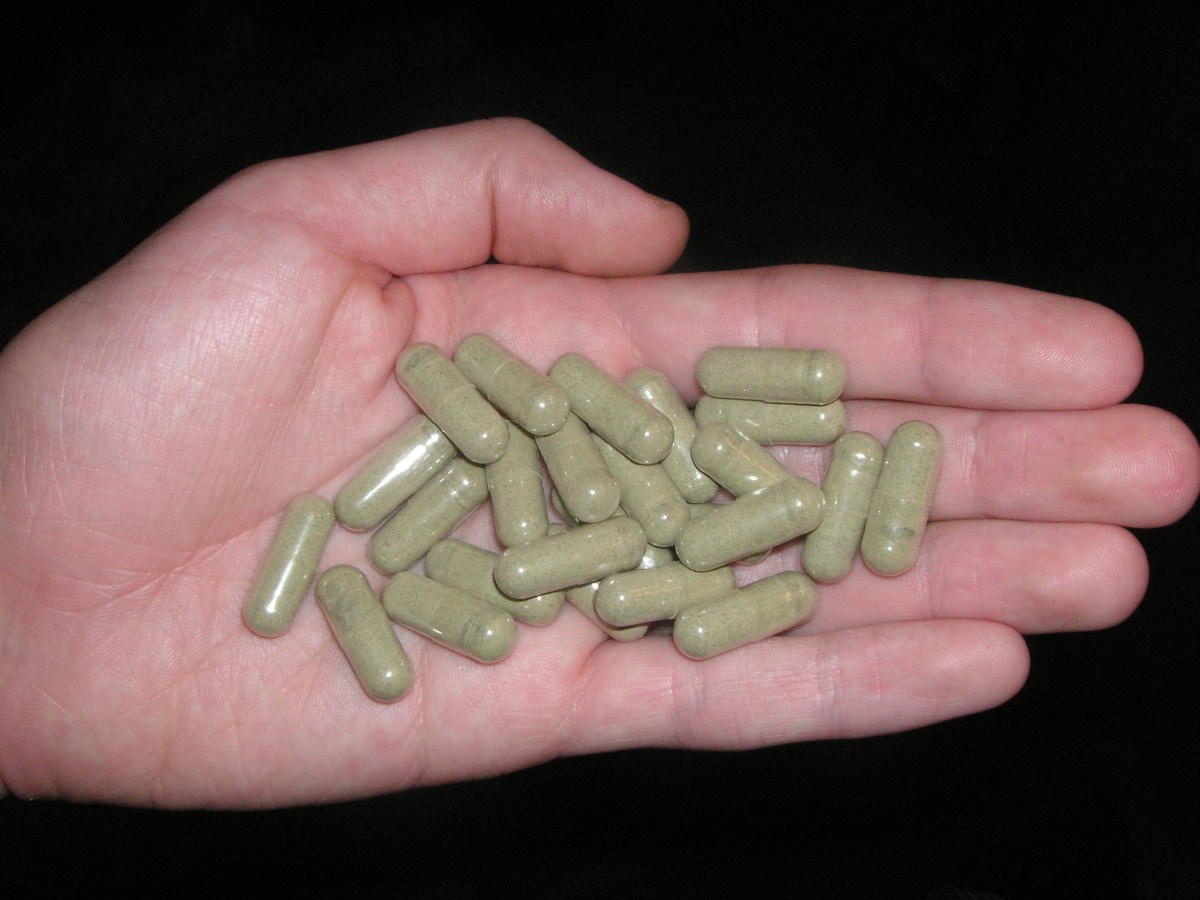
The FDA Announcement on Kratom

Just in case you missed it, the FDA posted an announcement about Kratom in February this year. According to the FDA:

“Kratom is a tropical tree (Mitragyna speciosa) that is native to Southeast Asia. Products prepared from kratom leaves are available in the U.S. through sales on the Internet and at brick-and-mortar stores. Kratom is often used to self-treat conditions such as pain, coughing, diarrhea, anxiety and depression, opioid use disorder, and opioid withdrawal.”

The other day as we were driving home on Highway 1 through Iowa City, I saw a sign advertising Kratom on a small store. I thought that might be illegal, but when I checked the Iowa Office of Drug Control and Policy, I found out it’s currently legal in the state.

Opinions vary about risks of using Kratom. The DEA tried to place in on the Schedule I, but the American Kratom Association and other supporters apparently prevented that simply by protesting it. The pharmacist who wrote the article (link above) raised a note of irony by questioning why marijuana is still regulated as a Schedule I drug.

The legality of Kratom also varies across the country. There is a very detailed review article about it that attempts to examine the use of Kratom from both the medical practitioner and patient points of view.

Picture Credit: By Psychonaught – Own work, Public Domain, https://commons.wikimedia.org/w/index.php?curid=8255742