Earth Day Trees and Other Thoughts

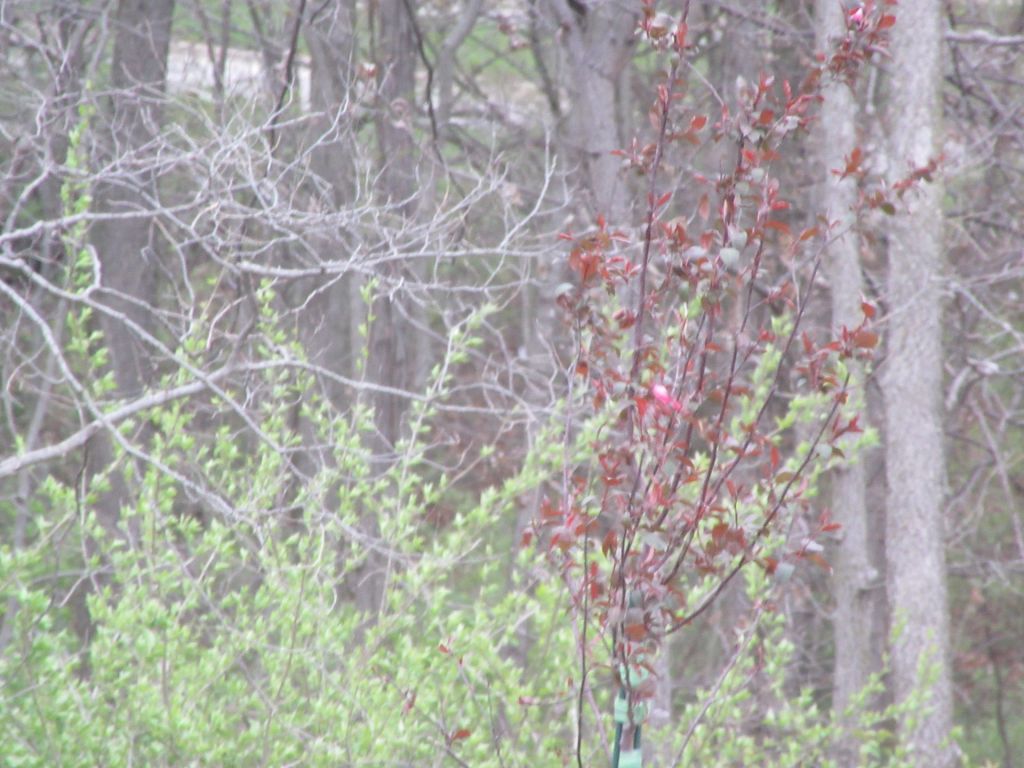
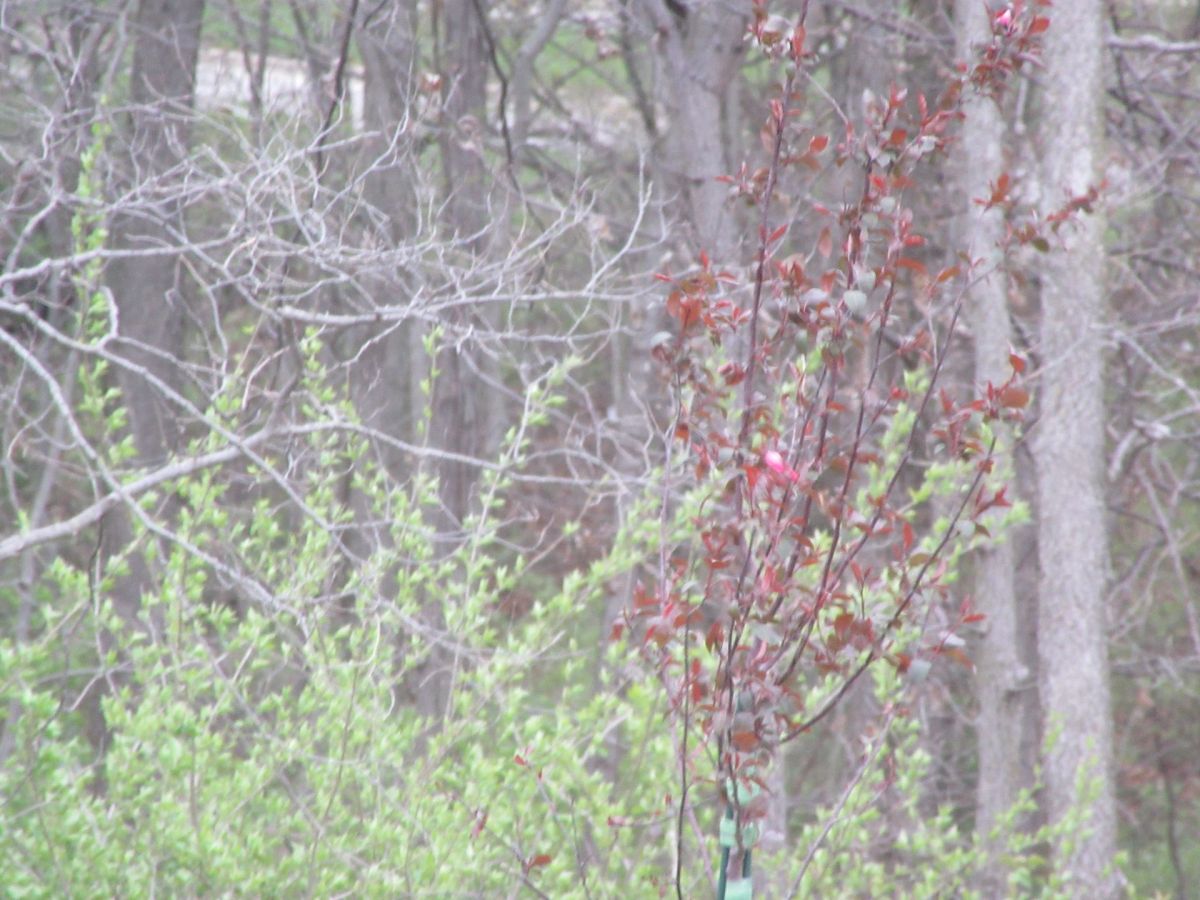
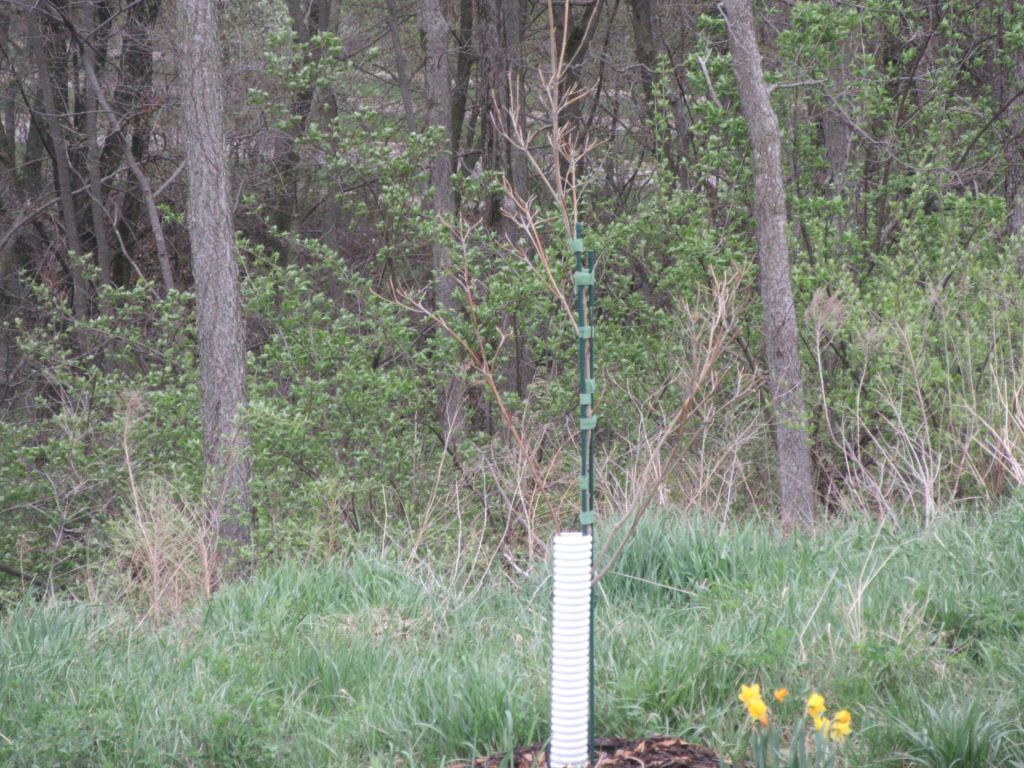
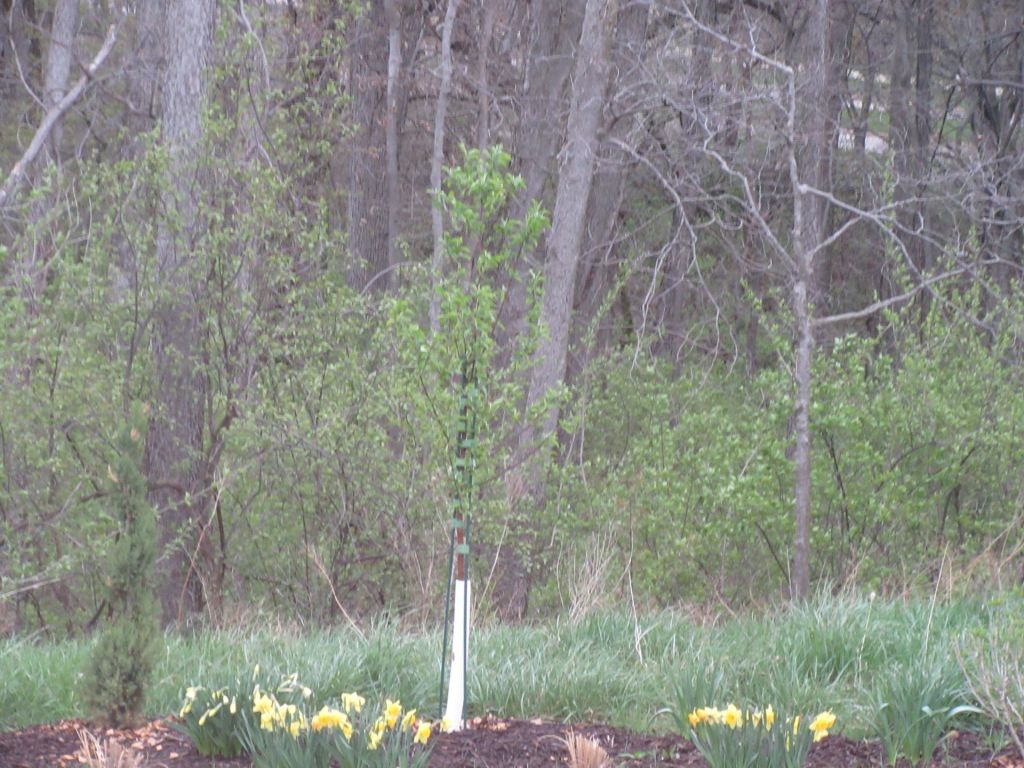
Today is designated Earth Day although there is such a thing as Earth Month. Among the several trees Sena planted in our back yard trees are a few that we hope exemplify the Earth Day theme, which is Our Power, Our Planet.

One of them is a dogwood, which we’re hoping will bloom soon. Dogwoods represent joy and rebirth. There are a couple of crab apple trees, a red jewel and a perfect purple. Crab apple trees represent love and all are very special to Sena and me.
Love, joy, and rebirth. They can all be linked to power, which can be the power of will. The will to respect the planet also implies respecting each other. Practicing humility can be a kind of power.

The power to be still and listen to each other can make us more open to change.

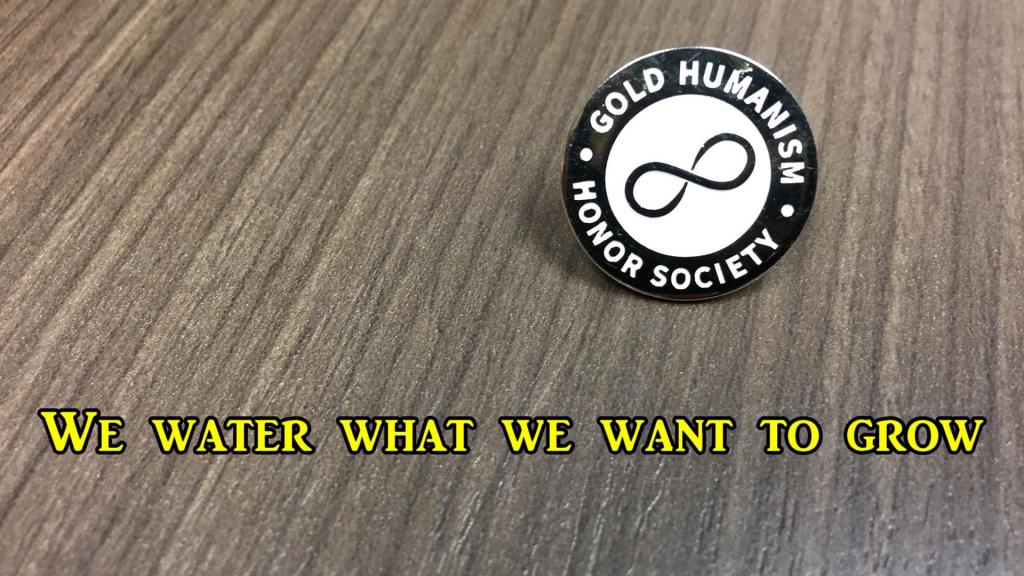
On that note, because I can’t go for long without joking around, I should retell the story about me and the walking dead meditation. About 13 years ago, I had an even more serious case of not listening to others than I do now, if you can believe that. It eventually led to my choosing to take the Mindfulness Based Stress Reduction (MBSR) class ( see this current University of Iowa mindfulness essay). I wrote an essay for the Gold Foundation and it’s still available (I updated the links):

How I left the walking dead for the walking dead meditation (August 13, 2014)

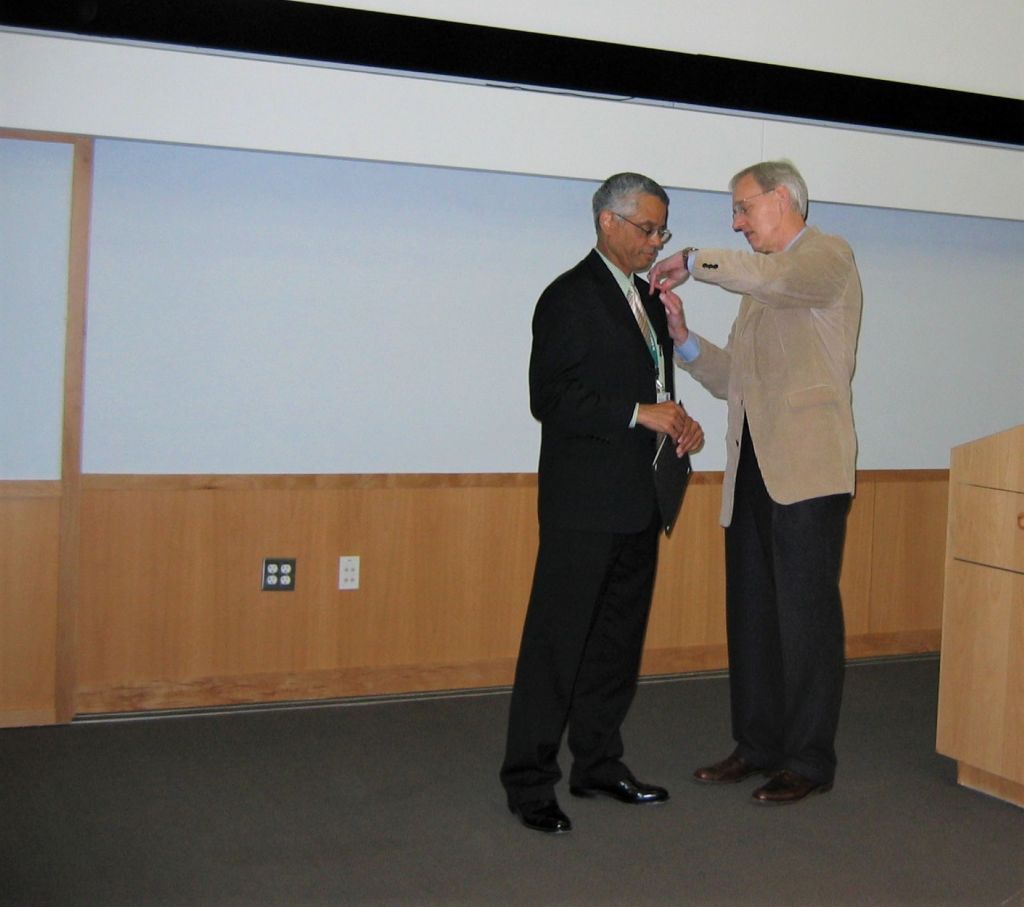
When I was awarded the Leonard Tow Humanism in Medicine Award in 2007, I was the last person I thought would ever suffer from physician burnout. Early in my career I had won several teaching awards and had even edited a 2006 Psychiatric Times Special Report on Stress.

About a year or so later, I bought Jon Kabat-Zinn’s book on Mindfulness-Based Stress Reduction (MBSR), Full Catastrophe Living, because I was dimly aware of the burden of stress weighing on me as a consulting psychiatrist in an academic medical center. I didn’t get much out of Kabat-Zinn’s book on my first read. But then in 2012 I started getting feedback from colleagues and trainees indicating they noticed I was edgy, even angry, and it was time for a change.

Until then, I’d barely noticed the problem. Like most physicians, I had driven on autopilot from medical school onward.  I had called myself “passionate” and “direct.” I had argued there were plenty of problems with the “system” that would frustrate any doctor. I had thought to myself that something had to change, but I never thought it was me.

After reflecting on the feedback from my colleagues and students, I enrolled in our university’s 8 week group MBSR program. Our teacher debunked myths about mindfulness, one of which is that it involves tuning out stress by relaxing. In reality, mindfulness actually entails tuning in to what hurts as well as what soothes. I was glad to learn that mindfulness is not about passivity.

But I kept thinking of Kabat-Zinn’s book, in which he described a form of meditation called “crazy walking.” It involved class members all walking very quickly, sometimes with their eyes closed, even backwards, and crashing into each other like billiard balls.  I hoped our instructor would not make me “crazy walk” because it sounded so—crazy. I dreaded crazy walking so intensely that I considered not attending the 6-hour retreat where it might occur.

We didn’t do crazy walking. Instead, we did what’s called the “walking meditation.” Imagine a very slow and deliberate gait, paying minute attention to each footfall—so much so that we were often off balance, close to crashing into each other like billiard balls.

I prefer to call this exercise the “walking dead meditation” because it bore a strong resemblance to the way zombies move. One member of the class mentioned it when we were finally permitted to speak (except for the last 20 minutes or so, the retreat had to be conducted in utter silence). It turned out we had all noticed the same thing!

Before MBSR, I was like the walking dead.  I was on autopilot — going through the motions, resisting inevitable frustrations, avoiding unstoppable feelings, always lost in the story of injustices perpetrated by others and the health care system.

In practicing mindfulness, I began noticing when my brow and my gut were knotted, and why. Just paying attention helped me change from simply reacting to pressures to responding more skillfully, including the systems challenges which contribute to burnout. About halfway through the program, I noticed that the metaphor connecting flexibility in floor yoga to flexibility in solving real life problems worked.

Others noticed the change in me. My professional and personal relationships became less strained. My students learned from my un-mindfulness as well as my mindfulness, a contrast that would not have existed without MBSR.

As my instructor had forewarned, it was easy for me to say I didn’t have time to practice meditation. I had to make the time for it, and I value the practice so much that I’ll keep on making the time. I will probably never again do the walking dead meditation.

But I’m no longer one of the walking dead.

This post was written by Dr. James J. Amos, Clinical Professor of Psychiatry in the UI Carver College of Medicine at The University of Iowa in Iowa City, Iowa. He has co-edited a practical book about consultation psychiatry with Dr. Robert G. Robinson entitled Psychosomatic Medicine: An Introduction to Consultation-Liaison Psychiatry. As a clinician educator, among Dr. Amos’s most treasured achievements is the Leonard Tow Humanism in Medicine Award. He blogs at https://retirepsychiatrist.com/

Below was my acceptance speech for the award:

Today we gather to reward a sort of irony.  We reward this quality of humanism by giving special recognition to those who might wonder why we make this special effort. Those we honor in this fashion are often abashed and puzzled. They often don’t appear to be making any special effort at being compassionate, respectful, honest, and empathic. And rewards in society are frequently reserved for those who appear to be intensely competitive, even driven.

There is an irony inherent in giving special recognition to those who are not seeking self-aggrandizement. For these, altruism is its own reward. This is often learned only after many years—but our honorees are young. They learned the reward of giving, of service, of sacrifice. The irony is that after one has given up the self in order to give back to others (family, patients, society), after all the ultimate reward—some duty for one to accept thanks in a tangible way remains.

One may ask, why do this? One answer might be that we water what we want to grow. We say to the honorees that we know that what we cherish and respect here today—was not natural for you. You are always giving up something to gain and regain this measure of equanimity, altruism, trust. You mourn the loss privately and no one can deny that to grieve is to suffer.

But what others see is how well you choose.
I’m still practicing mindfulness-more or less. Nobody’s perfect. We hope the dogwood tree blooms soon.
An Old Dog’s Approach to Replacing Electrical Outlets and Other Thoughts

Since retirement, I’ve been very gradually casting about for another identity now that I’ve given up my professional identity. It doesn’t come naturally. I’m definitely not a handyman, although I’ve been learning a few skills.

For some reason, a large number of our electrical outlets didn’t hold power cords tightly enough. They were either cheap or worn out or both. Appliances would stop running because the electrical plugs fell out of the outlets.

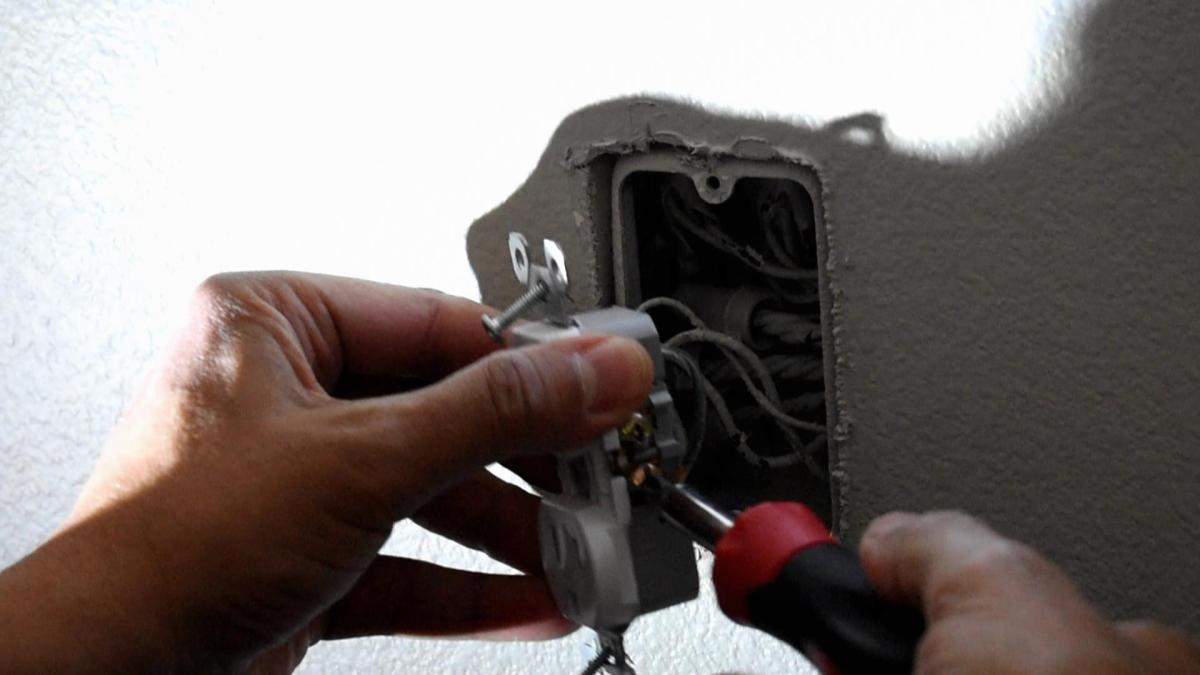
That led to Sena picking up an 85 gross of various replacement outlets, which led to losing one of my best excuses for not getting the vacuuming done. Since then, I’ve replaced a large number of outlets (see “instructional” video below). Toggle switch replacements are another item high on the list of vital electrical equipment to replace, mainly because they also get loose with age.

Funny how that doesn’t work for me. I get tighter in my joints as I age, which makes it very hard for me to sit cross-legged on the floor while replacing outlets. Standing up is even harder. That excuse doesn’t work either.

I’m pretty keen on checking outlets and the like for power before I start messing around changing them. I use a UL approved voltage tester for that—an electric can opener. Don’t let that get around. I always shut the power off at the circuit breaker to be safe.

Another skill comes to mine. Yesterday I had to install a soundbar on our TV for the first time. After Sena returned that one for a refund because it didn’t seem to improve on the TV’s audio, I installed a sound bar and subwoofer made by a different company.

I had a heck of a time getting it to work. It came with enough cords to hook it up, either by optical cable or something called HDMI ARC cable. Apparently, ARC stands for Audio Return Channel. I still don’t yet know why that makes it different from a regular HDMI cable.

What should have been a 10 to 15-minute hookup ended up taking most of an hour because neither cable worked. It was mysterious. I even hooked up both of them. The sound bar was soundless. In disgust, I yanked out the HDMI ARC—and abruptly the sound bar was loudly functional. Just prior to that I think I had moved the power plug from a power strip to a wall outlet. I figured the power strip might have just got old.

On the other hand, I had switched the sound bar plug and a CD player plug on the power strip which had been working fine and the sound bar still didn’t work. It was either aliens or luck. Sometimes it’s better to be lucky than good. I’m thinking about trying that HDMI cable again.

I have changed only in very small ways over the last 19 months (837,755 minutes; 50,265,308 seconds) since retirement. Some people say you can’t teach an old dog new tricks. I wonder if some people are just being ironic.

Snow Moon Reflections

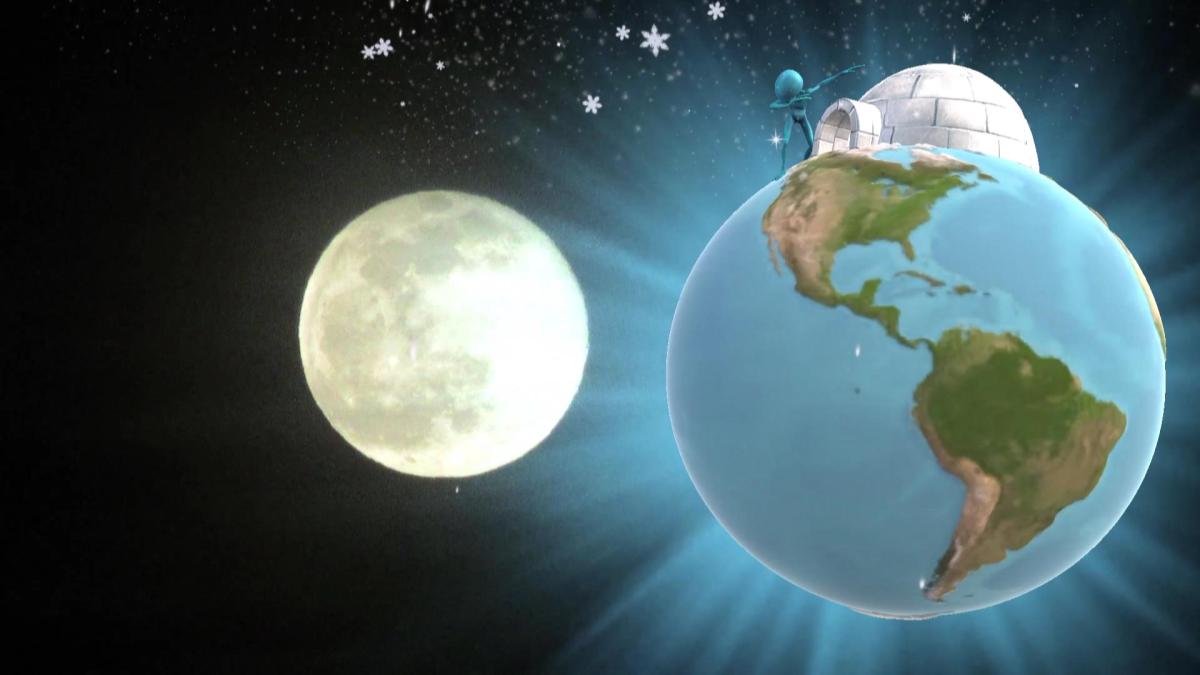
I’m having a little trouble keeping all of the different moon names straight. Last night was the Snow Moon. I managed to get a snapshot of it. It doesn’t look different from any other full moon. It’s called the Snow Moon mainly because February tends have the winter’s heaviest snow fall, according to the Old Farmer’s Almanac. It’s also known as the Hunger Moon or the Bony Moon, because this time of year could mean starvation for some back in the days when you had to hunt for your meals.

I got that mixed up somehow with the Wolf Moon—which was in January. I missed that one. On the other hand, you can think of being hungry as a wolf, or the wolf being at your door, meaning not having the means to fend off starvation. Anyhow, that’s my excuse for getting the Wolf Moon mixed up with the Snow Moon. However, according to the Old Farmer’s Almanac, some Native Americans actually called the January full moon the Snow Moon.

We did get a lot of snow in both January and February. We shoveled a lot of it. I guess there’s no official name for the problem I have flexing my stiff, sore left ring finger, which I’m pretty sure results from my grip on the snow shovel handle. I also occasionally get a stiff, sore left big toe, which I can’t flex. I believe this is from the way I tend to lean into my left instep when plunging the shovel into a big snowdrift.

Before you get after me with critiques about my body mechanics when snow shoveling, let me say this: I quit twisting my back and throwing the snow over my shoulder this season.

That said about the basic meaning of the Snow Moon according to the Old Farmer’s Almanac, there are other interpretations. This can be a time for reflection on transitions in one’s life.

There have been a lot of big and little changes in my life, the biggest one recently being retirement. It has been difficult to release my grip on my identity as a psychiatrist. I’ve been a doctor for a long time. It’s hard to remember what I was before I started medical school in the summer of 1988, which was a pivotal time for me. I joined several other students who were members of minority and disadvantaged groups, including but not limited to African Americans, in the summer enrichment medical school program. It has since developed into what is now the Summer Health Professions Education Program (SHPEP) at the University of Iowa.

In fact, it was a pivotal time for the University of Iowa College of Medicine. Leaders, including Philip G. Hubbard, were trying to navigate the controversy surrounding the concept of affirmative action. Not everyone accepted the idea with open arms at the time.

These days, I sometimes find myself remembering how I’ve changed over the past several decades. I recall the sometimes-awkward feeling of being a freshman at Huston-Tillotson College (now Huston-Tillotson University) in the mid-1970s. I had grown up in in a small town in Iowa, where I was often the only Black student in class.

When I was a child, I was lucky enough to have role models from both sides of the apparent racial divide. Although Paul ‘Blackie’ Espinosa was not African American, he took me and my younger brother to a Twins baseball game. While I don’t remember much about that day except that it was fiendishly hot—I remember how kind Blackie was to us.

I remember Al Martin, who was an African American artist in the community where I grew up. He took me to an art show where he displayed some of his paintings. Here again, while the Iowa weather was a small distraction (it was a very cold fall day), I looked up to Al as a leader.

I also remember a local pastor, Glen Bandel, who was white and who came to our house one terrible night when my mother was very sick. He stayed all night watching to make sure she didn’t need to go to the hospital. He slept sitting up in a rocking chair. I googled his name the other day. Much to my surprise, he’s still alive and is in his 90s. There was a news item announcing the celebration of his 90th birthday a couple of years ago.

As I try to stitch my past to my present, I keep finding that the strongest thread over the last 43 years has been my wife, Sena. I don’t know where I would be without her. I don’t like to contemplate it. I don’t know how I’ll navigate the changes that are surely happening even as I sit here and, in turn, dread or welcome them. Change will happen, no matter what the shape or tint of the moon, and whether I want it or not.

Talk About Change

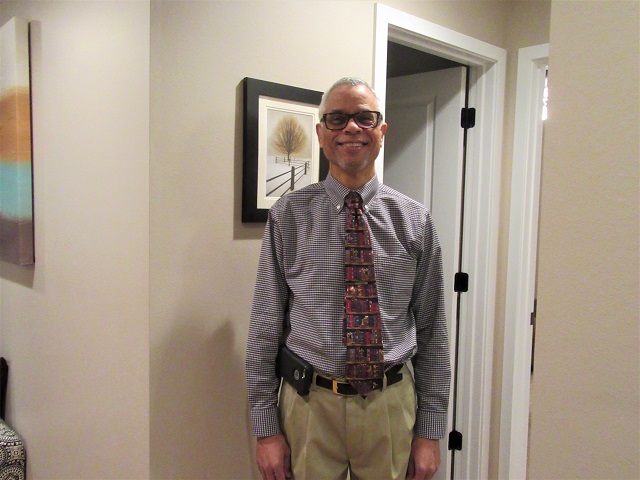
Let’s talk about change. I’ve had a couple of brand-new tie bars (gifts from my wife) in my dresser drawer for a couple of months now. I’d forgotten them until last night. I used to wear a tie bar many years ago. I’m discovering that I probably wore it wrong, according to fashion experts who know a lot about these things.

I never knew you were supposed to wear a tie bar between the 3rd and 4th button of your shirt (counting from the neck). I guess I always wore it too low. It was always coming loose from the shirt, and that’s why I quit wearing it for years. It’s long gone. I think I probably just threw it away, or maybe it got lost in one of our many moves. And I never knew that the part of the shirt you attach the tie bar to is called a “placket.”

There are different kinds of tie bars. Most of them are made with what resembles an alligator clip. I guess you’re supposed to call that a slide clasp. Another kind of bar is difficult to manage without wrinkling your tie. It’s an awful lot like a cotter pin, but you’re supposed to call it a pinch clasp—I think.  I have one of each. Pictures don’t always seem to match up with the names.

Look close to see the tie bar; it’s there. It’s just not in the right spot according to GQ.

I also used to wear bow ties. You don’t need a tie bar for those. They were very colorful. They’re long gone.

I also used to wear the old-style suspenders and even had buttons on the inside of my trousers to secure them. They’re long gone, maybe because I felt insecure without a belt. That was back before I got a paunch—which is now starting to shrink, probably because I’m exercising daily.

And speaking of daily exercise, my wife got me a pair of 5-pound dumbbells. She says pink was the only color left. Anyway, I began using them this evening. I’m not sure, but I may need some liniment.

I used to wear a heavy pair of wingtip Oxford brogues. Believe it or not I would tramp all over the hospital in those shoes. I still thought they looked sharp, but they also looked dated—kind of like me. I used to keep the old-fashioned cedar shoe trees in them, just to keep the creases out of the instep.  They’re long gone. Now I wear lighter shoes. When I exercise, I wear Velcro tennis shoes.

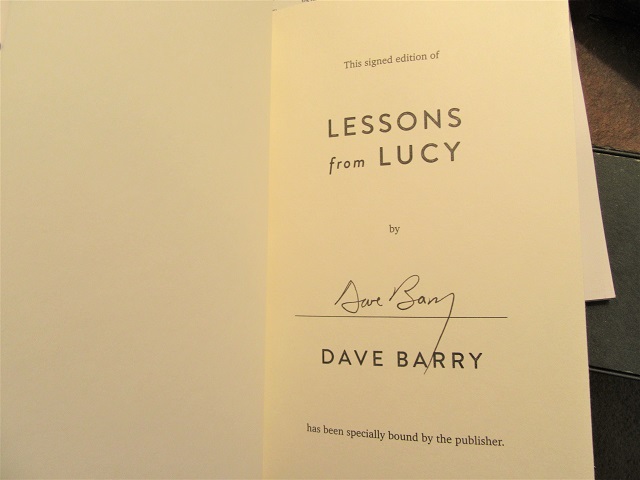
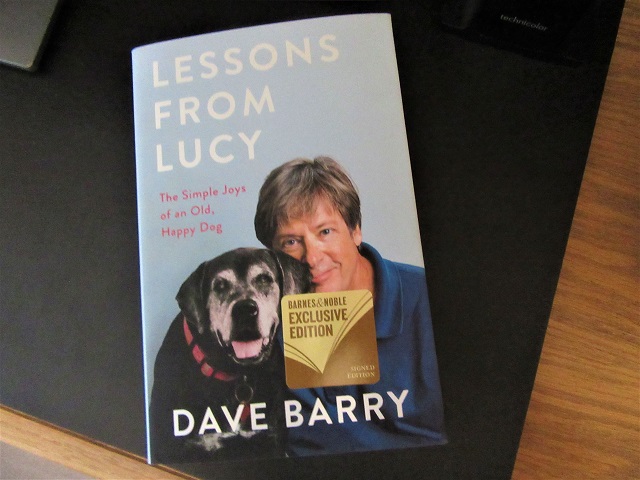
My wife also got me an autographed copy of  Dave Barry’s new book, Lessons from Lucy: The Simple Joys of an Old, Happy Dog. I’ve always been partial to his sophisticated humor—classic booger joke style.

However, I think Barry’s new book is more about how he’s changing as he ages. I haven’t had chance to read it yet except just enough from the jacket to suspect that the booger joke style will be there, but there’ll be something beyond that. He’s 70 years old and likely reflecting—about the mechanism of action of booger jokes. I used to have nearly all of his books, but they’re long gone. Just like the tie bar, I lost most of them in the many moves we’ve made.

The point is I’m changing in a lot of little ways. The big change coming up is, of course, retirement. I’m changing from a physician to a retiring physician—a retiring psychiatrist. Not all of the changes are to my liking, either about myself or my path.

“A flower falls even though we love it; and a weed grows even though we do not love it.”

Dogen

Change is not always comfortable. I have not stayed the same across the decades. Some changes have been painful. Others have been so much fun that I wouldn’t mind reliving them. They’re all long gone. We’ll just have to make new ones.