


On March 29, 2022, both the FDA and the CDC endorsed a 2nd Covid-19 booster vaccine dose. The FDA Advisory Committee on vaccines still has a meeting scheduled about vaccine boosters on April 6, 2022. Neither of the booster doses will be variant specific.
Pegging Around Wisconsin

We played a game on our new Wisconsin cribbage board. We made some miscounts I’m sure, but it was because we had so much fun talking. We lived in Madison for a short time many years ago and managed to see quite a few sights in the south-central region of the state. And even after we moved back to Iowa, we made return trips to visit Wisconsin because there’s a lot to do there.
Madison itself is the capital of Wisconsin. One of my first impressions is that a number of fascinating people live there. I remember we were walking west on State Street, and I saw a guy walking in the middle of the street wearing a live rattlesnake coiled on his head. Sena missed that for some reason. He was moving carefully and slowly, probably to avoid rattling his headgear.
I don’t think the sculpture of Harry Dumpty is still standing in Madison, but for several years it was a distinctive bronze sculpture in front of the Madison Municipal Building just south of the intersection of Martin Luther King Jr. Boulevard and East Doty Street. I can’t see it on Google Maps nowadays.
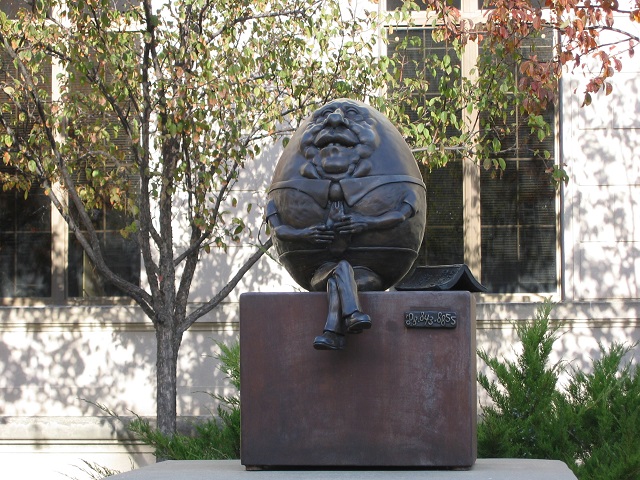
I never knew the sculpture was Harry Dumpty. It sat above a large concrete wall with an inscription on it which I just assumed was connected to the sculpture and probably still sits there although we couldn’t find it in 2012 when we returned for a visit:
“David James Schaefer, 1955-2004
was a phenomenal phenomenon. Though plagued by the progressive debilities of cerebral palsy, “Schaefer” was an uncomplaining and generous friend to many. Disability Rights Specialist for the City of Madison in three different settings, his death of a heart attack in September 2004 made a hole in our community which cannot ever be filled.
Erected by the Friends of Schaefer at private expense.”
It turns out Harry Dumpty has no connection to David James Schaefer. In fact, Harry is one of several similar sculptures created by artist Brent George, who made him in 1997, saying he’s Humpty’s brother. If you look closely at the book sitting open next to Harry, it’s entitled “Harry Dumpty.” Brent George’s name is below it. Brent’s phone number is on the front of the wall. Evidently somebody called him and asked about the sculpture. Brent says there’s no connection between the sculpture and the inscription.
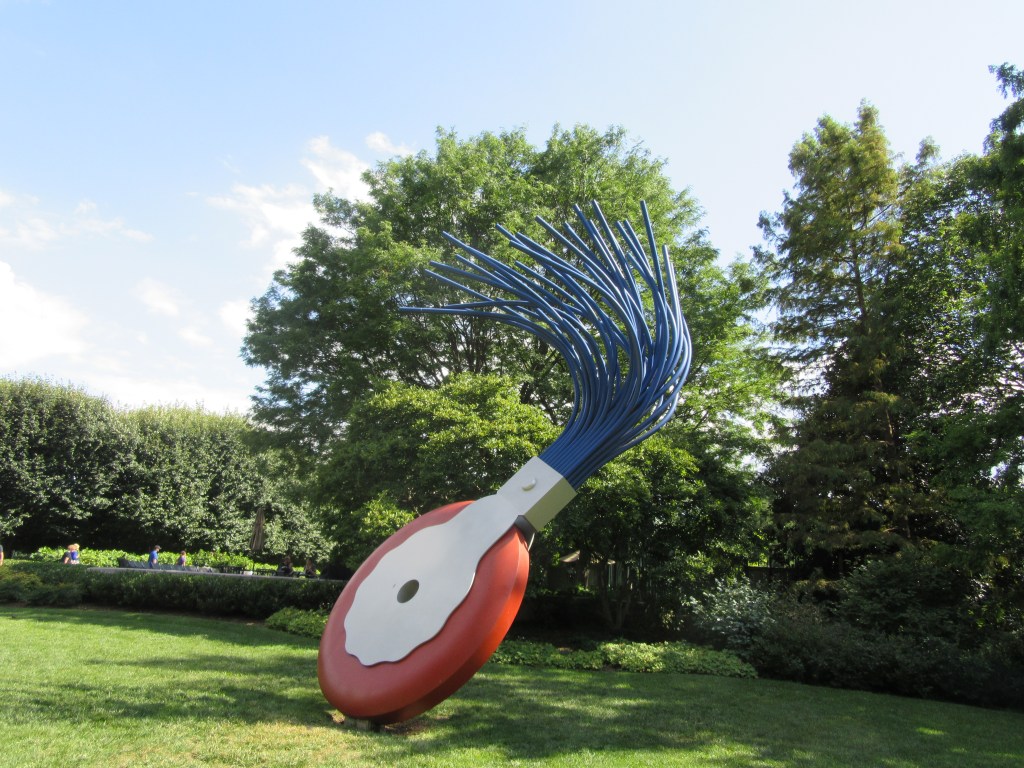
On the subject of art, the Madison Museum of Contemporary Art (on State Street) is a place to see. Although the art works are free to view on the web, they’re copyrighted and you can’t reproduce them without permission of the artists. However, at the time we were there in 2012 we saw Typewriter Eraser by Claes Oldenburg. I think it’s OK to share our picture of the giant one we saw in Washington, D.C. In 2015.
One of the more relaxing times we had was having pizza for lunch at Paisan’s in Madison. We were outside and had that breathtaking view of Lake Monona, the breeze was coming off the water, cooling and refreshing—like the Moose Drool brown ale, which is not a Wisconsin brew; it’s made in Montana.
Wisconsin is known for its beer, among many other virtues. New Glarus Brewing Company is famous. I tried a few of the brews. One of them was Stone Soup. It had oil of clove in it and my lips got numb.
We took a dinner train ride at the Mid-Continent Railway Museum in North Freedom. It was great food and great company.
One of the more interesting stories about Monroe, Wisconsin is The Great Limburger Cheese War, which I mangled during the heat of the game. I first heard about it on a TV show; it seemed to me it was on Mysteries at the Museum, but when I googled it, I couldn’t find it.
We had a great time in Wisconsin. Maybe someday we’ll go back for a visit.
Wisconsin Memories

We’re just reminiscing on our time in Wisconsin years ago. We’re hoping this will be a prologue to making a video soon of us playing cribbage on our new Wisconsin board. Until then, you can check out the mini travelogue, including hanging out with the Fonz in Milwaukee. The big mansion in the video is Black Point Estate and Gardens in Lake Geneva.
It was during a July 2012 visit to Madison that I found, at Browzers Bookstore, an old medical book my class used in my first year, Robbins’ Pathologic Basis of Disease. My class used the nearly 7-pound red 3rd edition containing 1,467 pages.
Also on that trip, we rented a couple of bicycles from Machinery Row Bicycles. We can’t imagine paying $7,500 for a bicycle, much less what looked like $25,000 for a double tandem.
We rode all the way out to Olbrich Botanical Gardens on a sweltering summer day. The Thai Pavilion shown in the video was a gift to the University of Wisconsin from the Thai government.
We never ran into a Bigfoot in Wisconsin, but there have reportedly been over 70 squatch sightings in the heavily wooded areas. Don’t tell the Appalachian Investigators of Mysterious Sightings (AIMS). Wild Bill would just cuss a blue streak and shout, “Hell, that ain’t no Appalachia!”
Mountain Monsters Mooners Mothballed

I just noticed that the Travel Channel may have cancelled the Bigfoot hunter parody Mountain Monsters show. There were 268 comments complaining about it and I don’t think any of them realized that the show is a parody.
The first time we saw it about a month ago we laughed ourselves silly. The second time I saw it, which was the following week, the whole gang of them mooned the camera. Maybe that’s why they got cancelled. Or maybe they knew they were going to be cancelled and mooned the camera as a parting shot.
I’m not sure why anyone tries to produce a serious show about Bigfoot and cryptid chasers. You never see anything. The camera pans and the flashlights stab the dark forest, bigfoot hunters whistle, howl, knock on trees, and—the woods are empty.
The only Bigfoot I’ve ever seen in these shows is a GI Joe style doll strapped to a guy’s backpack.
The serious Bigfoot hunters all talk in loud stage whispers, say swear words so they can get bleeped, which supposedly is more realistic, yet never find so much as a turd proving that the beast moves its bowels occasionally.
That’s why Mountain Monsters was so funny. You knew they were lampooning the whole idea and looked like they were having a great time doing it. Whoever saw a Smoke Wolf outside of a cartoon panel?
We fell over laughing at Wild Bill imitating a Bigfoot having diarrhea in the woods. Where could you find a gun like his but in the Walmart toy section?
Americans need to laugh more. That’s why the Travel Channel should sign those guys up for another season.
But please—no more mooning.
Update: I think you can view episodes on Dailymotion at this link.
Featured image picture credit: pixydotorg.
Wisconsin Cribbage Board Arrives
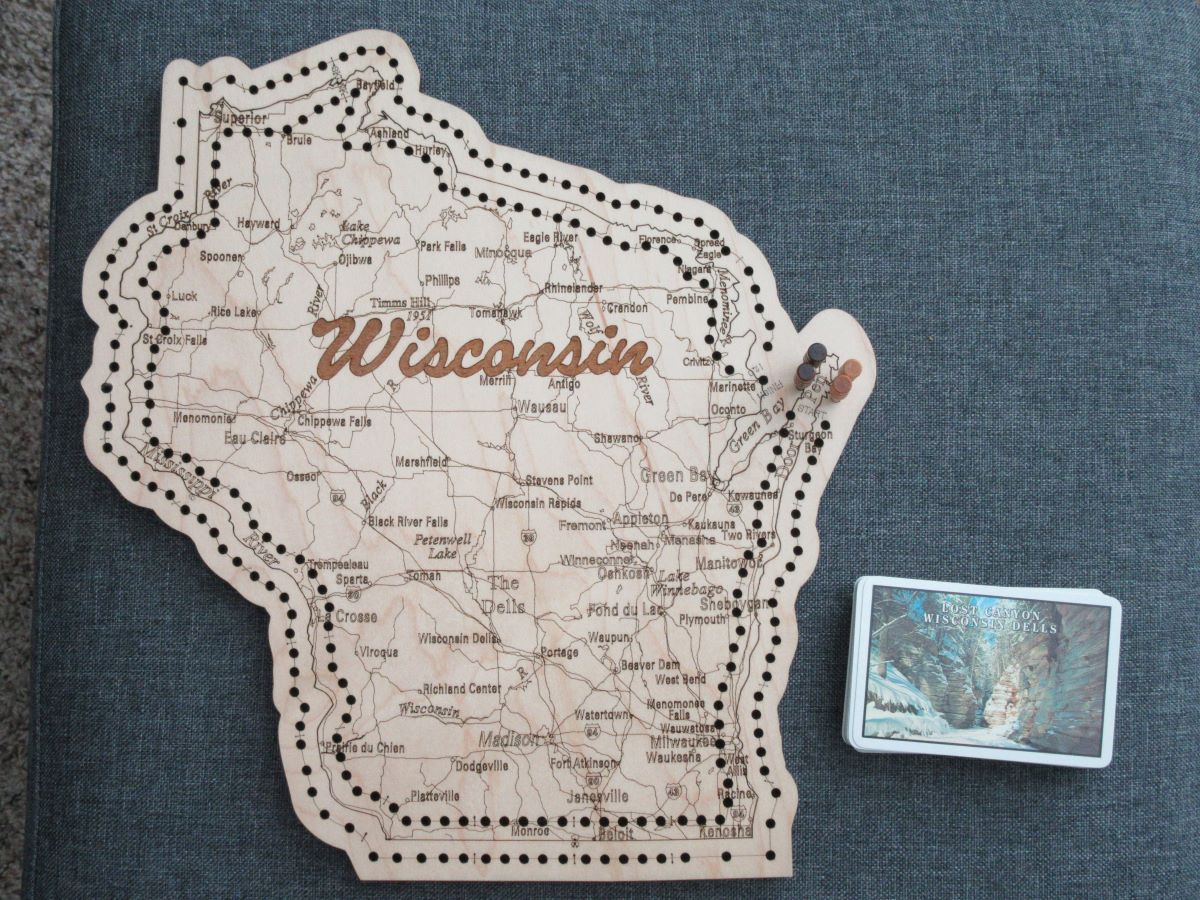
We got the Wisconsin state map cribbage board yesterday and there’s a little story behind it, right off the bat. It was delivered by the United States Postal Service (USPS) and I remember the slap as it hit our porch from the USPS worker just tossing the package.
When we opened the package, it turned out to be not the board we ordered. It was not as thick as the Iowa cribbage board and it didn’t have a storage space on the back for pegs. The packing material for the Wisconsin board was not as interesting as that used for the Iowa board, which was packed using a local newspaper with a sermon on one of the pages, “In times like these we turn with trust to God.”
In contrast, the Wisconsin board was shipped from the same place in Minnesota, but this time in a plain white USPS envelope, conventionally secured with eBay tape, bubble wrap, and a plain brown shopping bag. No sermons.
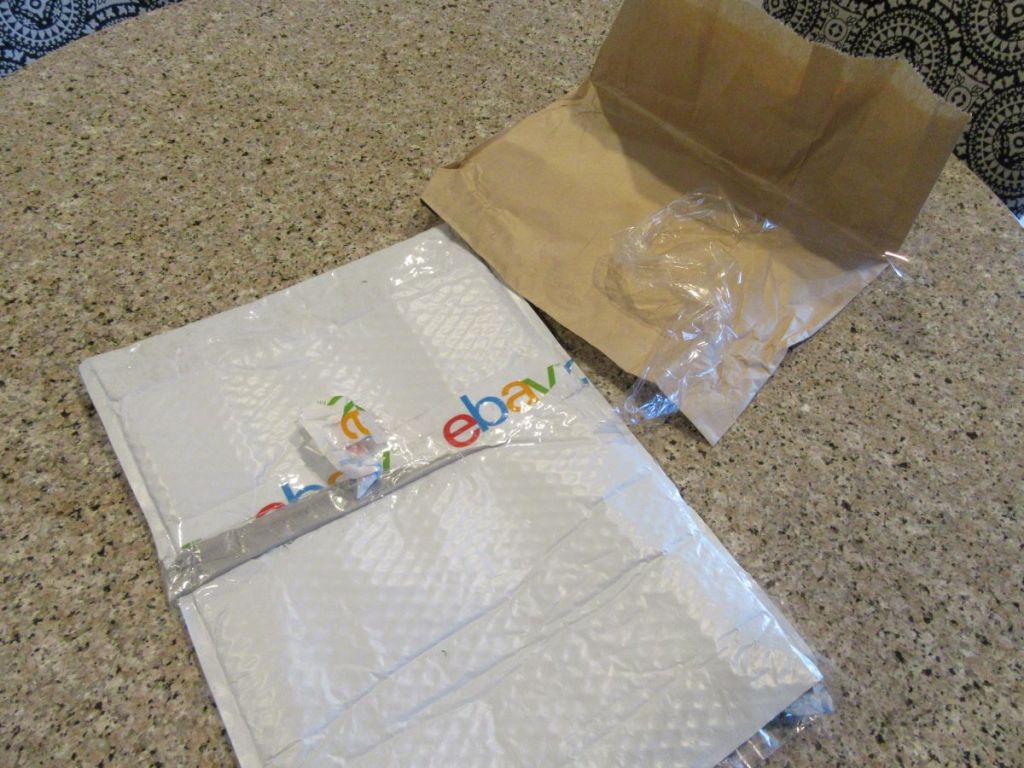
Sena arranged to return it for a refund (which was the only choice other than having the exact same item reshipped from the seller), carefully rewrapped it and drove out to a couple of the UPS stores—both of which happened to be closed yesterday. She was late by just a couple of minutes.
This morning we noticed that the seller sent an email apologizing about shipping us the wrong board and offered us the choice of shipping it back for the full refund or keeping it at 70% off the price. We took the latter.
We’re now brushing up on our memories of Wisconsin, chuckling at our snapshots, and considering using the deck of cards we got at Lost Canyon gift shop at Wisconsin Dells, where we took the horse-drawn wagon tour 13 years ago.

Get Happy Now

I think nearly all of us would agree that the last two years have been especially hard on the human race. It’s tough to be happy. Or would it be better to say it’s tough to find happiness? Or should you say that there are few things to be happy about?
What I’m getting at is the difficulty in defining the term “happiness.” I’m sometimes very unhappy. But the intensity doesn’t last. And I’m happier when I’m writing. I’m one of those who thinks happiness is a byproduct of what we do. But a movement has been under way for years to define happiness scientifically.
What’s new on the horizon? Sena found a news story about a New Jersey college offering the world’s first Master of Arts level online degree program in Happiness Studies. It’ll cost you only $17,700 according to the Centenary University web page about it (accessed March 26, 2022).
The course is four months and worth 30 credits. I’m no judge on whether it’s worth the hefty price tag.
The program will be directed by Dr. Tal Ben-Shahar, a teacher and writer in the areas of leadership and positive psychology. He looks happy. He’s very successful.
The program at Centenary is not the only game in town, though. This is just web clicking research, mind you, but there is The Science of Happiness Course based at Berkeley University of California (of course it’s in California!). It was launched in 2014. Like the Centenary program, it’s led by celebrity star level teachers from the school’s Greater Good Science Center: Emiliana Simon-Thomas, PhD (the director), and founder Dacher Keltner, PhD, author of best-seller Born to be Good (which I’ve never read). There is a free 8-week audit level Science of Happiness course available although you can earn a certificate by working a little harder, taking exams and paying $169.
Positive psychiatry has been championed by psychiatrist, Dr. Dilip Jeste, as he outlined his thoughts on it in Psychiatric Times (Positive Psychiatry: An Interview With Dilip V. Jeste, MD, February 22, 2016, Renato D. Alarcón, MD, MPH, Psychiatric Times, Vol 33 No 2, Volume 33, Issue 2). Some of his interesting comments give the impression you could overdo it:
Currently, there is no substitute for using DSM-5 and ICD-10 diagnoses that are required by Medicare and private health insurers and also for communication with various other health care systems. The positive psychiatry approach involves additional notations about the patient’s level of well-being and perceived stress along with strengths, including resilience, optimism, and social engagement. Validated rating scales for these measures are available and practical. This more complete depiction of a patient’s mental health is of much greater value for holistic management than just a DSM-5 diagnosis. The information obtained from these ratings may be shared with the patient and his or her family, and revisited during subsequent visits to document progress.
Positive psychiatry’s principles can be incorporated in a reformulation of behavioral or psychosocial interventions, whether they are supportive, psychodynamic, cognitive-behavioral, or another type. The goal is to enhance positive psychosocial characteristics to improve well-being, in addition to reducing symptoms and preventing relapse-which are at the core of traditional psychiatry.
There are, however, a few limitations to positive psychiatry-such as the potential social/political and ethical implications of the unbridled promotion of positive psychosocial characteristics. For example, one may appropriately object to the notion that optimism should be universally promoted through biological or other interventions. Therefore, a balanced approach to behavior modification is warranted.
He thought you could object to the idea that optimism should be the overriding goal. “The unbridled promotion of positive psychosocial characters.” Oops, I just noticed my mistake in using the word “characters” instead of “characteristics.” I corrected it and then thought it was probably just a Freudian slip, so I changed it back. What the heck.
That reminded me of a paper I read many years ago about adding a new psychiatric disorder to the Diagnostic and Statistical Manual for Mental Disorders (DSM): Major Affective Disorder, pleasant type. I think some people missed the satire in this article (Bentall RP. A proposal to classify happiness as a psychiatric disorder. J Med Ethics. 1992 Jun;18(2):94-8. doi: 10.1136/jme.18.2.94. PMID: 1619629; PMCID: PMC1376114.)
Bentall was objecting to the methods employed by the committees putting the DSM together, specifically how they decided on what is or is not a disease. I think the DSM-IV was in the preparation stage at the time he wrote the article.
I liked the response of one blogger to Bentall’s paper. The title of the post was “Major Affective Disorder, Pleasant Type” and subtitled “Cancer and Attitude.” She was diagnosed with pancreatic cancer and coping with it, not with unbridled positivity, but with a realistic, balanced outlook:
“But I don’t believe a positive attitude means that I am happy all the time. I like to think of myself as a positive realist. I have accepted that each day I live is an actual gift and I truly may not be here in 6 months or a year.”
“But I’ve also been very angry about it, and many times feel sad and hopeless. Being positive just means you believe in tomorrow. And I do believe I will be here tomorrow.”
I think I’m happy with letting her have the last word here.
Scrabble Babble
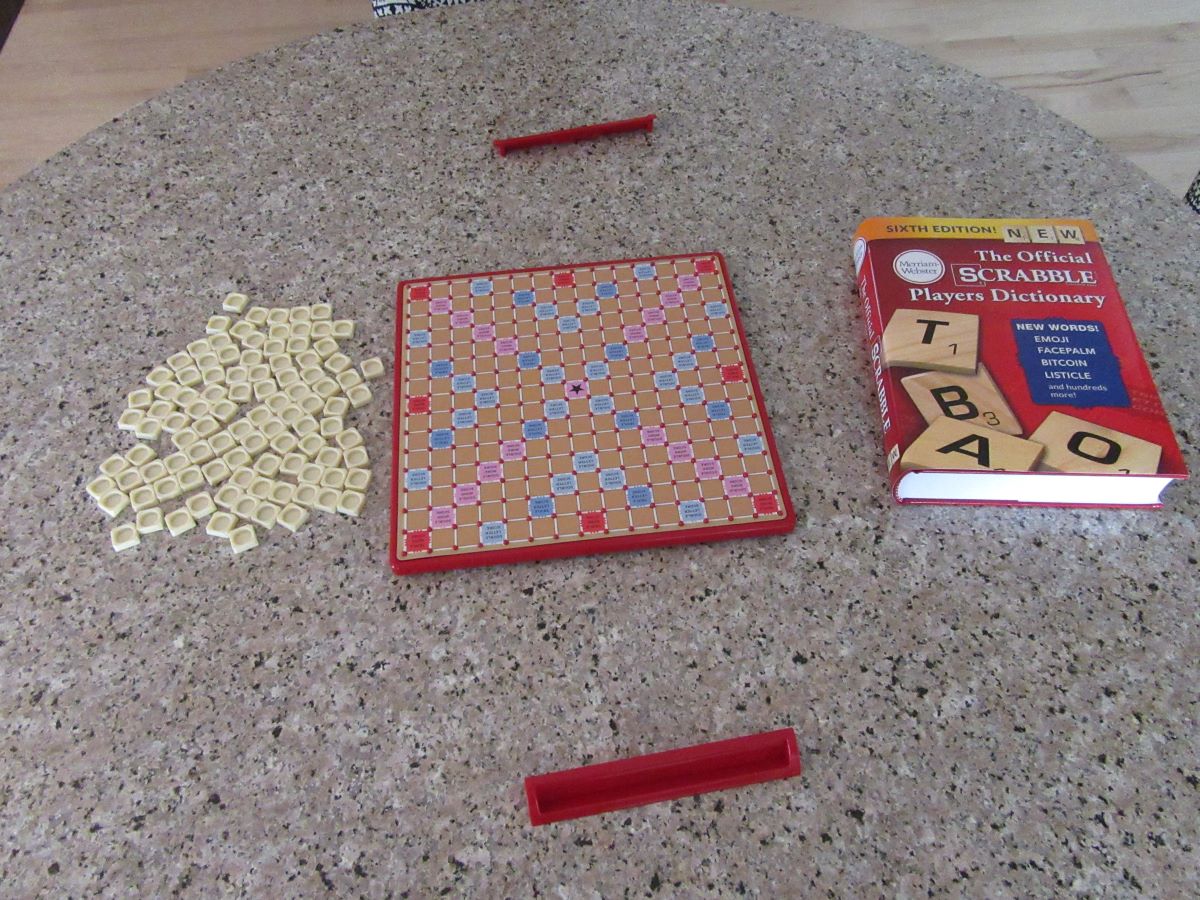
The other day Sena and I played a close game of scrabble—close that is until I challenged her play of the word “Xi.” I lost a turn because in our brand spanking new Scrabble dictionary it’s defined as a Greek letter.
Later, I knew better than to challenge her play of “Ka,” which I looked up after the game. It means the spiritual self of a human being in Egyptian religion. I ended up losing the game.
She plays a Scrabble video game and got a Bingo recently, which got her 80 points. On the web a Bingo is defined as playing all seven tiles, and you get 50 points. I guess that’s the difference between playing the video Scrabble game and playing a human being, whether of the Egyptian religion or not.
We also used a brand-new Merriam-Webster’s Collegiate Dictionary, Eleventh Edition, during a different game. We used that and I challenged her play of “dic.” I guess you know what’s coming.
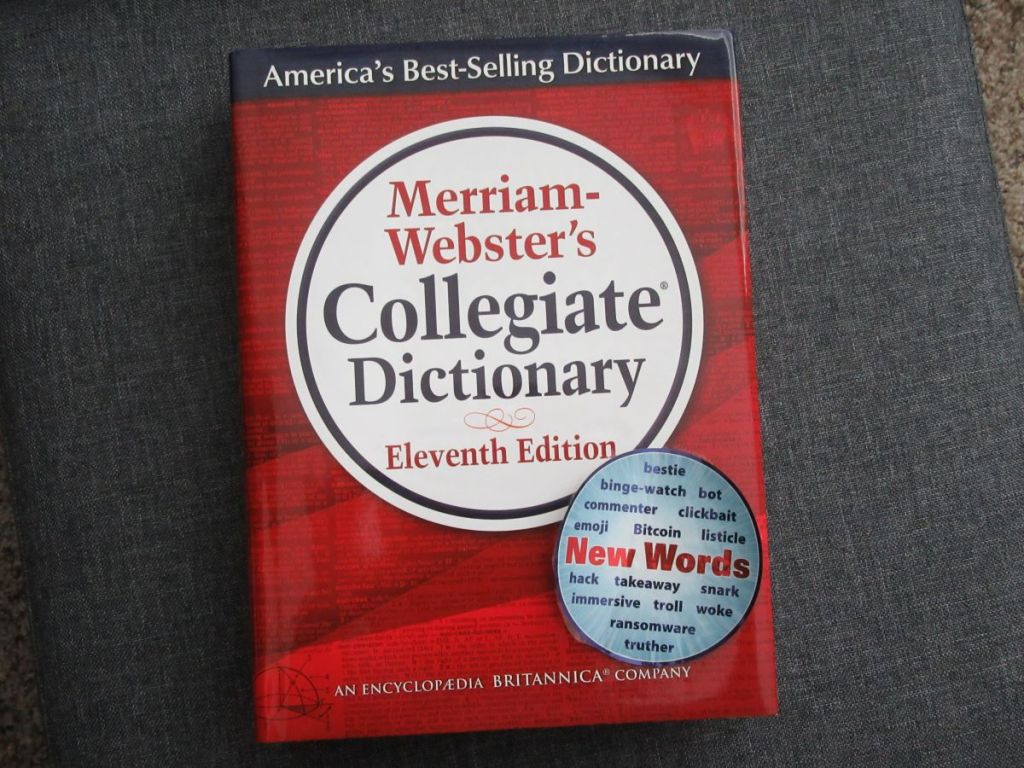
As you can probably guess, “dic” is not a word, but those of us with dirty minds know full well that “dick” is a slang term that can mean penis, detective, or surprisingly, nothing. The nothing definition reminded me of the Men in Black scene in which the soon-to-be Agent J is riding down the elevator with Agent K, explaining that because he was chosen by the MIB organization, that means they recognize all of his skills. Agent K makes the deflating remark that all of his skills mean “precisely dick.”
I know you’ll be fascinated to learn that the nothing meaning of dick is not in the Scrabble dictionary nor is it in the Merriam-Webster’s Collegiate Dictionary.
So, remember that the next time you play Scrabble. On the other hand, if you don’t play Scrabble, this means precisely—detective.
Musing on Coincidences
We’re waiting for another state road map cribbage board, this one is Wisconsin. If you’ve seen the cribbage game video we made, “Pegging Around Iowa,” you get the idea.
We’ve been to Wisconsin, briefly. It’s a complicated story. It was roughly 13 years ago. We moved to Madison so I could make another stab at private practice psychiatry.
During the lunch break between interviews, I read The Onion for the first time. It was set up as a college newspaper in which none of the stories were factually accurate—and wildly satirical. I thought it was really funny. It started back in 1988 in Madison, Wisconsin. It’s now based in Chicago. They published a large paperback book entitled The Onion Book of Known Knowledge: A Definitive Encyclopaedia of Existing Information.
I’m pretty sure none of the information was true. I owned a copy, but the print was so small, I couldn’t read it without a magnifying glass. It either got lost in one of our moves or I got rid of it.
Scott Dikkers was one of the originators. Coincidentally, in 1993 he was interviewed by a columnist for The Daily Iowan, the University of Iowa college newspaper. Scott also wrote a cartoon called Jim’s Journal. This is another coincidence because I kept a sort of diary in between blogs for a while a few years ago. I called it Jim’s Journal. Back in 1993 I wasn’t paying attention then to The Onion or much of anything else except surviving my first year of residency in psychiatry at Iowa.
The Onion was one of my favorite reminders of Madison. We loved living there, but unfortunately, I disliked private practice. We moved back to Iowa, but not before doing a lot of fun things in Madison and places nearby.
Another coincidence that is admittedly minor is that, several years ago I accidentally walked into an auditorium ready to present my Grand Rounds lecture to a crowd. The only hitch was that it was the wrong crowd. I had arrived early and the previous group was still in the auditorium. That was embarrassing. When it was time for my performance, I sort of ad libbed a series of jokes about my blunder. This got me an award from the residents—Improvisor of the Year.

I think I also blogged about the experience and used a feature image of myself with the caption, “And now for the juggling of produce,” a reminder of my clownish performance at the Grand Rounds. If you look closely, you can see one of the produce items is—you guessed it, an onion.

Years later, I happened to find a video of older people being interviewed on their 100th birthday. They were in Madison. I left a comment saying I thought it was a gas. I still do. Coincidentally, I worked at St. Mary’s Hospital, albeit briefly. I left that comment in 2012, about 3 years after I returned to Iowa.
And, coincidentally I found another video that sends pretty much the same message, pertinent to our times. It was taken for a January 2021 news story about a lady named Mary Gerber who was celebrating her 100th birthday who had volunteered for 33 years at St. Mary’s Hospital and got her first Covid-19 vaccine.
These coincidences happen only occasionally, but continue to reverberate in our lives, even to this day. I think of the 2002 alien invasion film, Signs. In it, the lead character is Graham Hess, a local pastor who has given up being a minister because he’s lost his faith related to his wife dying in a car accident. He and his brother Merrill are discussing the many lights in the sky (UFOs) that have been seen recently. I think of what he says,
People break down into two groups. When they experience something lucky, group number one sees it as more than luck, more than coincidence. They see it as a sign, as evidence, that there is someone up there, watching out for them. Group number two sees it as just pure luck. Just a happy turn of chance. I’m sure the people in group number two are looking at those fourteen lights in a very suspicious way. For them, the situation is a fifty-fifty. Could be bad, could be good. But deep down, they feel that whatever happens, they’re on their own. And that fills them fear. Yeah, there are those people. But there’s a whole lot of people in group number one. When they see those fourteen lights, they’re looking at a miracle. And deep down, they feel that whatever’s going to happen, there will be someone there to help them. And that fills them with hope. See what you have to ask yourself is what kind of person are you? Are you the kind that sees signs, that sees miracles? Or do you believe that people just get lucky? Or, look at the question this way: Is it possible that there are no coincidences?
Merrill answers “I’m a miracle man.”
I’m not sure yet what group I fall into. Things happen sometimes that make me hope there are miracles.
We Hung a Wall Clock and Survived
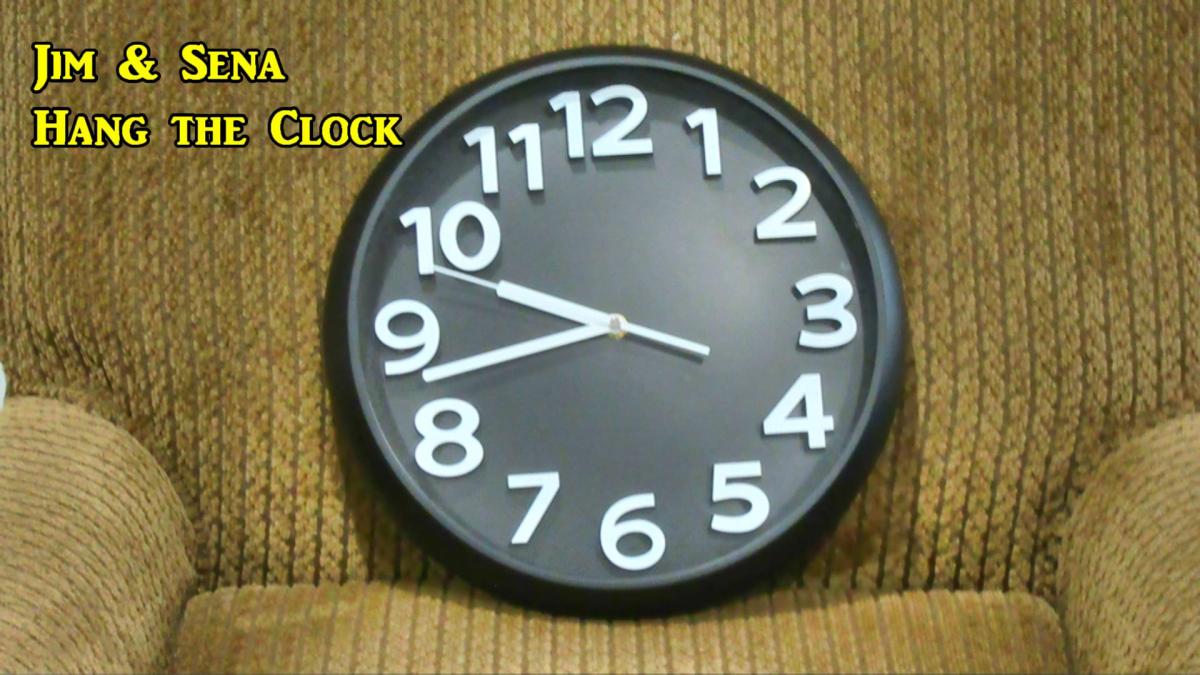
Today Sena and I hung a wall clock. It was not just any wall clock. We got tired of hearing the darn ticking noise on our old clock. Sena got a non-ticking silent wall clock made by a company called Plumeet.
I could not find a video that showed exactly how you use the provided no trace nail hanger hook for hanging the clock on the wall. There were plenty of short videos on how great the clock looks and how quiet it is—but it was never running and no one ever showed you how you install it on a real wall in real life. So we made one.
It’s harder than it looks to fix the no trace nail hanger hook to the wall. The nails are tiny and tend to pop out of the hanger as you hammer them. They are hard to find in the carpet fibers. There are no discernible nail heads. The obvious advantage of that is to make it so much easier to mash your fingers instead—which is more entertaining.
The instructions don’t make it much easier because they’re comical. Be sure to read the first sentences in the Note and in the Tips sections.
Notes: “When the clock walks incorrectly or stops walking, please replace the battery.”
Tips: “When you are not in use, please uninstall the batteries and lay up the item in a dry place.”
Whenever you see a clock walk incorrectly, you should immediately stop smoking or drinking whatever chemical you got. If they are not illegal and you have not consumed too much, then schedule an emergency eye clinic appointment where you can get your eyes dilated with mydriatic drops, rendering you completely incapable of seeing anything with any clarity whatsoever. That will at least give you something else to worry about.
And when you are not in use, you should either take a nap or reconcile yourself to being retired. Counseling is available and you should energetically avoid it, as usual.
The Plumeet is a silent clock. It makes no ticking sound whatsoever. And it’s about as difficult to hang on the no trace nail hook as it would be to hang on any other hook.
That’s because there’s no difference in the way you actually hang it from the hole in the back of the clock. Whether you use the no trace nail hanger hook or a Highway Thru Hell snatch block, you’ll still have to go by feel and peek a few times around the side of the clock to figure out how to actually hang it. Luck plays a significant role.
Read the instructions for fun. They are also written in German, which may or may not be helpful or amusing.
 Go Retire Psychiatrist