


The CDC has a healhcare provider toolkit available to prepare their patients for the 2023 for the fall and winter virus season. It’s up to date and comprehensive.
Category: science
What The Heck, Let’s Talk About Butter

I’ve been pretty serious the last few blogs. Let’s lighten up and talk about butter. Is it bad for your health?
Not necessarily, according to a WebMD article. In fact, butter has health benefits:
- It’s rich in nutrients like calcium and vitamin E
- It may help lower your chances of cancer
- It could slow down age-related macular degeneration
- If you swab it all over you it’ll make you so slippery extraterrestrials will have trouble abducting you
There are risks, of course, including the risk of heart disease because butter has a lot of calories and saturated fat.
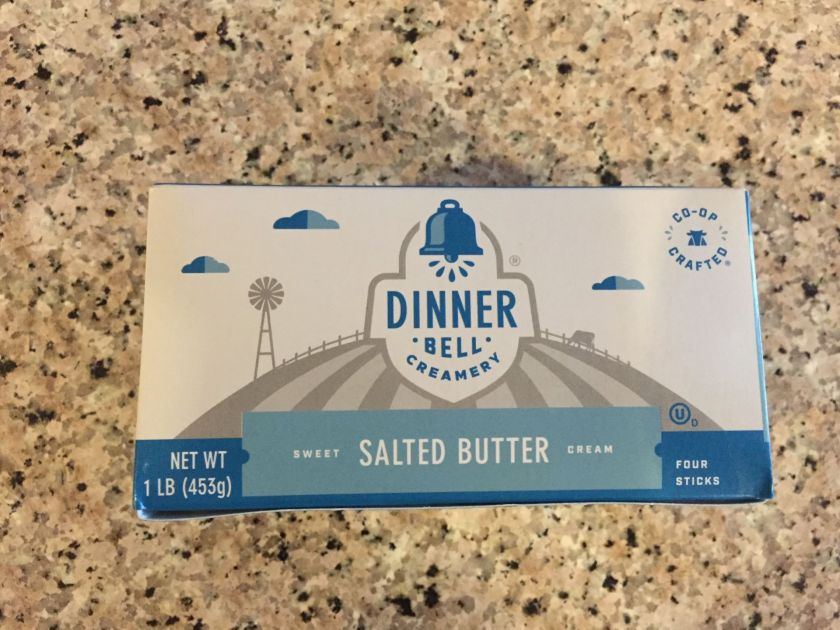
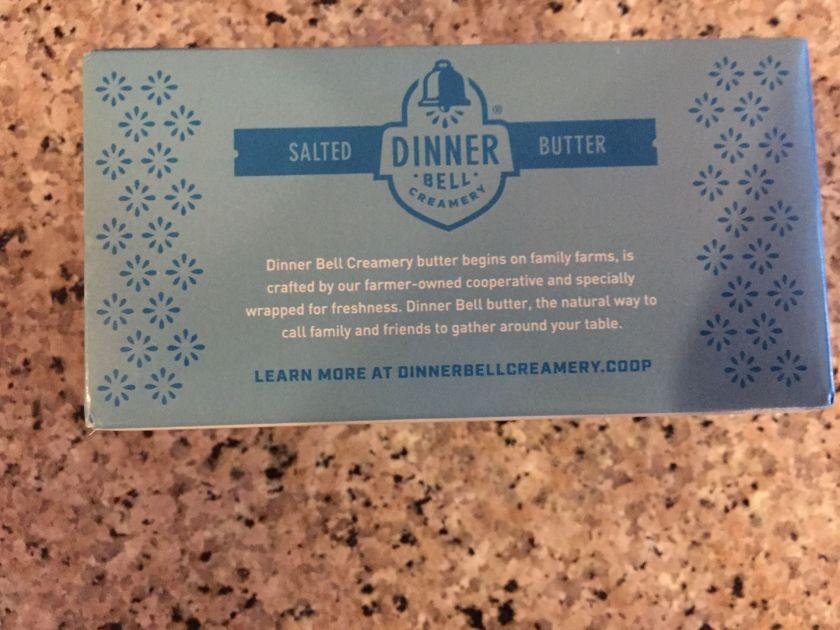
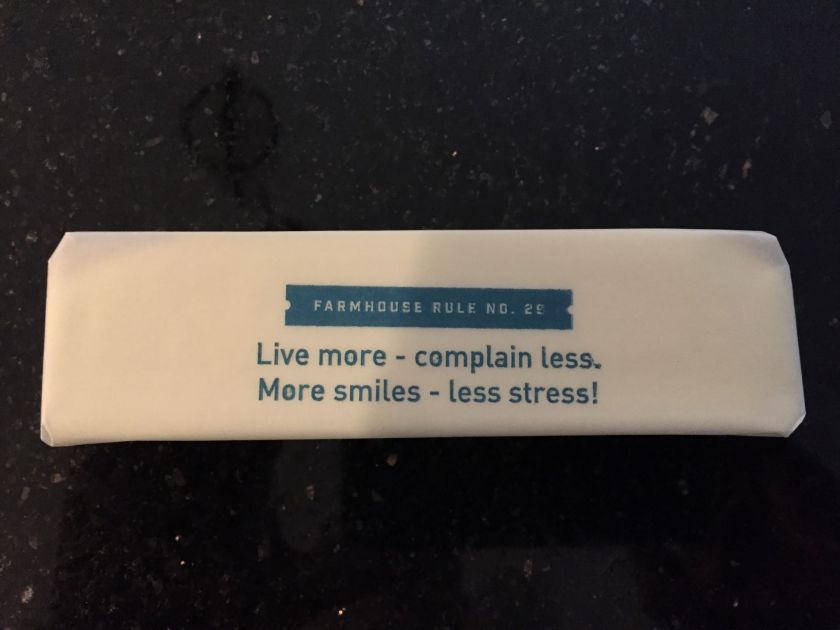
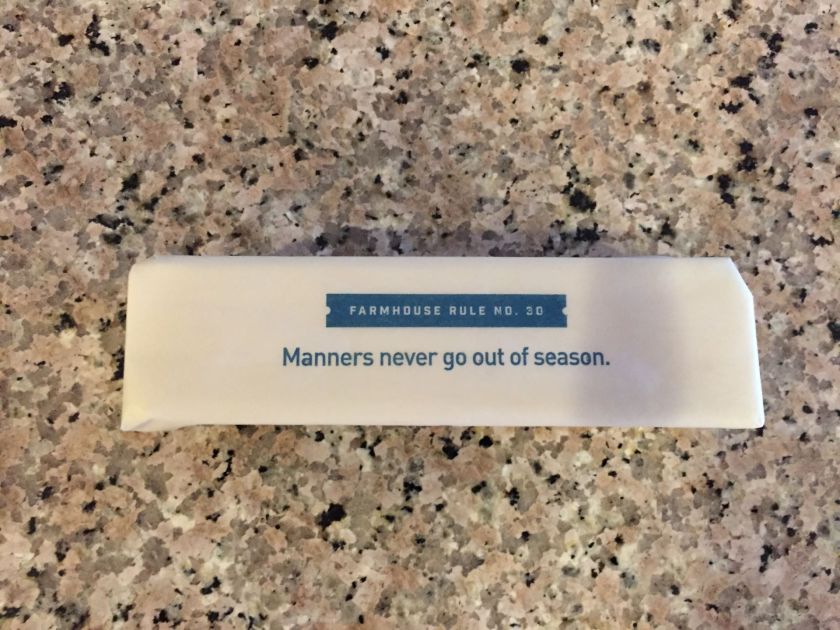
Sena puts butter on everything. She puts butter on butter. She bought a new kind of butter called Dinner Bell Creamery Salted Butter. Sounds like something the devil made, doesn’t it?
On the contrary, you can even learn a thing or two about life from reading the labels on the sticks.



Shout Out to the European Delirium Association

I just want to give an enthusiastic shout out to the European Delirium Association (EDA). I rediscovered the website. It’s updated and an extremely helpful organization in the study of delirium. It provides excellent education about the disorder.
I met one of the past presidents of the EDA, Alasdair MacLullich back in the early 2010s. In fact, while I was staffing the University of Iowa Hospital consultation-liaison service, he was generous enough to send us one of the pieces of technology which was designed to test for delirium: The Edinburgh Delirium Test Box or Delbox.
I wrote a blog post years ago about the EDA. At that time, the group published a newsletter called the Annals of Delirium. Here’s an excerpt from one of the issues in 2010:
Delirium has a long way to go before it gets the attention it deserves, before it is present in the public consciousness in the way cancer is, or even HIV. Bearing in mind the prevalence of delirium and the impact it has on patients and families we may believe it is only a matter of time, but I believe that the process is going far too slowly. Some countries are doing better than others and some areas of medicine are making greater inroads, which can only benefit us all in the long run. In the UK, however, if you search for delirium on the BBC website you are directed to the music page and the group Delirium Tremens.
I remember thinking that the anecdote reminded me of how that sounded a lot like the way things were going in the United States at that time.
And the EDA announcement about the new delirium organization in the U.S. that was just getting it’s start around that time, in 2011—the American Delirium Society (ADS).
There are educational videos about delirium on the EDA website and I’m excited to learn more about them.
Further, there was a sort of word search game I rediscovered that was made by the EDA. Some of the words are on the diagonal. Give it a shot! I finished it, but it was very challenging. If you need the key, please comment.

Time for Another Blast from the Past

I found an interesting blog post from my previous blog, The Practical Psychosomaticist. I wrote it in 2011 and it’s about the patient experience of delirium. I was delirious briefly after a colonoscopy many years ago. I don’t remember much about it. But from what Sena tells me about it, it was similar to other delirium episodes I’ve seen in the hospitalized medically ill. Thankfully, it was not severe.
“Recalling the Experience of Delirium: The Delirium Experience Questionnaire (DEQ)
Have you ever been delirious and recalled the experience? Many patients do and they usually are frightened by the experience which can be marked by delusions and hallucinations that are remembered as fragments of a harrowing nightmare. This has been studied by Breitbart, et al using an instrument they developed called the Delirium Experience Questionnaire (DEQ). In the article there’s a description of the scale:
The DEQ is a face-valid, brief instrument that was developedby the investigators specifically for this survey study andassesses recall of the delirium experience and the degree ofdistress related to the delirium episode in patients, spouses/caregivers,and nurses. The DEQ asks six questions of patients who haverecovered from an episode of delirium including: 1) Do you rememberbeing confused? Yes or No; 2) If no, are you distressed thatyou can’t remember? Yes or No; 3) How distressed? 0–4numerical rating scale (NRS) with 0 = not at all and 4 = extremely;4) If you do remember being confused, was the experience distressing?Yes or No; 5) How distressing? 0–4 NRS; and 6) Can youdescribe the experience? This final question allowed for a qualitativeassessment of the delirium experience through the verbatim transcriptionof patients’ description of the experience (not reported inthis paper). In addition, spouse/caregivers and nurses wereeach asked a single question: 1) Spouse/caregiver: How distressedwere you during the patient’s delirium? 0–4 NRS; 2) Nurse:Your patient was confused, did you find it distressing? 0–4NRS. The DEQ was administered on resolution of delirium[1].
54% of patients recalled their delirium experience. Perceptual disturbances were among the best predictors of recall. Delusions were the most significant predictor of distress. Patients with hypoactive delirium were just as distressed as those with hyperactive delirium. Mean distress levels for patients were rated at around 3 by patients and their nurses and close to 4 by family members.
In another more recent and similar study using the DEQ, the numbers were even more sobering. 74% of patients recalled being delirious and 81% reported the experience as distressing with a median distress level of 3[2].
In my work as a consultant, I’ve interviewed many patients who are delirious and their relatives and friends, who suffer as well from the experience of watching someone they love suffer from delirium. It’s very difficult to watch this kind of mental torture caused by medical disorders and medications.
The 6th question of the DEQ often produced accounts that sound terrifying. The point of the article was that the subjective report of delirium sufferers confirms that the distress levels are very high indeed and remind us of the major reason for developing systematic methods of preventing it or detecting it early and managing the syndrome—reducing suffering.”
1. Breitbart, W., C. Gibson, and A. Tremblay, The Delirium Experience: Delirium Recall and Delirium-Related Distress in Hospitalized Patients With Cancer, Their Spouses/Caregivers, and Their Nurses. Psychosomatics, 2002. 43(3): p. 183-194.
2. Bruera, E., et al., Impact of delirium and recall on the level of distress in patients with advanced cancer and their family caregivers. Cancer, 2009. 115(9): p. 2004-12.
What’s Up with Intranasal Covid-19 Vaccines?
I saw the JAMA article on intranasal vaccines research for Covid-19. It starts off pretty supportive of the principle. However, at the bottom of the article, the outlook looks pretty stable for injectable vaccines for at least a good long while.
It’s an interesting read. Skip to the Many Questions section:
How these experimental mucosal vaccines stack up against mRNA vaccines, considered the standard of care, remains to be seen, Beigel noted. The NIAID intends to conduct phase 2 trials that would compare mucosal and mRNA vaccines head-to-head, “so you’d know for certain what you’re trading off,” he said.
Ideally, a mucosal vaccine would generate as good a systemic immune response as an mRNA vaccine as well as a robust mucosal immune response. But an excellent mucosal immune response might make up for a bit of a decline in the systemic immune response, Beigel explained. Perhaps a vaccine inhaled through the mouth and into the lungs could provide the best of both worlds—strong mucosal and systemic immunity—but there are no data yet to support that theory, he said.
“Everyone knows we need a better vaccine and would really like it if we could get something that interrupts transmission and stops even mild disease,” Beigel said. “Whether that’s attainable or not, we don’t know.”
I’m not knocking the concept by suggesting you read the Conflict of Interest Disclosures.
Reference:
Rubin R. Up the Nose and Down the Windpipe May Be the Path to New and Improved COVID-19 Vaccines. JAMA. Published online December 06, 2023. doi:10.1001/jama.2023.0644
Update on CDC Recommendation for Adult RSV Vaccination
I just checked to see if the Iowa Board of Pharmacy rules had changed about the recommendation that a physician and patient shared decision-making discussion should help clarify whether and why a prescription would be necessary to enable a patient over the age of 60 years to get the Respiratory Syncytial Virus (RSV) vaccine.
I found out that nothing has changed the position of the Iowa Board of Pharmacy on this issue, despite the CDC published list which now includes the RSV vaccine (which seemed to be the main issue against allowing pharmacists to administer the vaccine independently). I finally found the CDC Adult Immunization Schedule by Age web page. The section shows a table of vaccines recommendations broken down by age. Below the table is a list of the CDC recommended vaccines. Under the RSV category there is a Special Situation section with guidance for those over the age of 60 regarding those most likely to benefit from the RSV vaccine:
- “Age 60 years or older: Based on shared clinical decision-making, 1 dose RSV vaccine (Arexvy® or Abrysvo™). Persons most likely to benefit from vaccination are those considered to be at increased risk for severe RSV disease.** For additional information on shared clinical decision-making for RSV in older adults, see www.cdc.gov/vaccines/vpd/rsv/downloads/provider-job-aid-for-older-adults-508.pdf.
For further guidance, see www.cdc.gov/mmwr/volumes/72/wr/mm7229a4.htm
**Note: Adults age 60 years or older who are at increased risk for severe RSV disease include those with chronic medical conditions such as lung diseases (e.g., chronic obstructive pulmonary disease, asthma), cardiovascular diseases (e.g., congestive heart failure, coronary artery disease), neurologic or neuromuscular conditions, kidney disorders, liver disorders, hematologic disorders, diabetes mellitus, and moderate or severe immune compromise (either attributable to a medical condition or receipt of immunosuppressive medications or treatment); those who are considered to be frail; those of advanced age; those who reside in nursing homes or other long-term care facilities; and those with other underlying medical conditions or factors that a health care provider determines might increase the risk of severe respiratory disease.”
While the rationale for the recommendation is clear, it’s interesting that Iowa is one of only 4 states in which pharmacists cannot administer the RSV vaccine independently (meaning a physician prescription is necessary). The RSV vaccine is in the CDC published vaccination schedule, which looks like it would satisfy the Iowa Code Section 155A.46 according to the Iowa Board of Pharmacy.
I still wonder whether it’s the shared decision-making discussion or the Iowa Code that’s the main reason a physician prescription is necessary to get the RSV vaccine.
It isn’t that I want the RSV vaccine. In fact, based on what I’ve read on the CDC Immunization Schedule, I don’t think I need it because I’m pretty healthy for a geezer. I just don’t understand why only 4 states require a physician prescription. Does that mean the pharmacists in the rest of the country are confident they can have a shared decision-making discussion with patients about the indication for the RSV vaccine?
 Go Retire Psychiatrist