


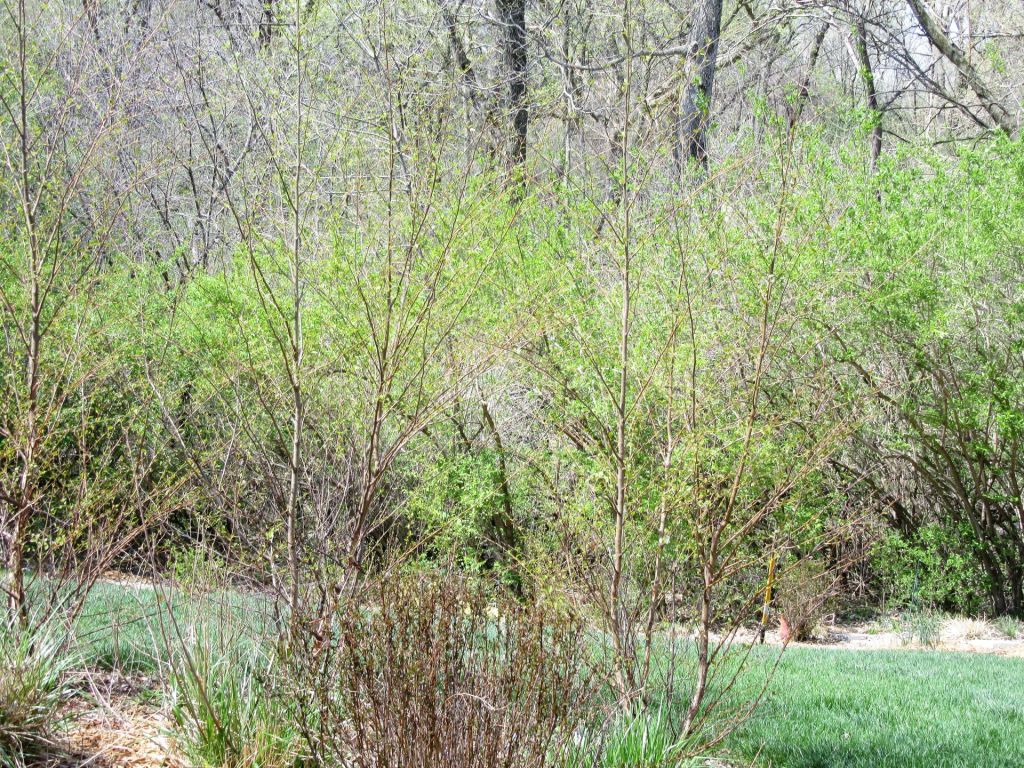
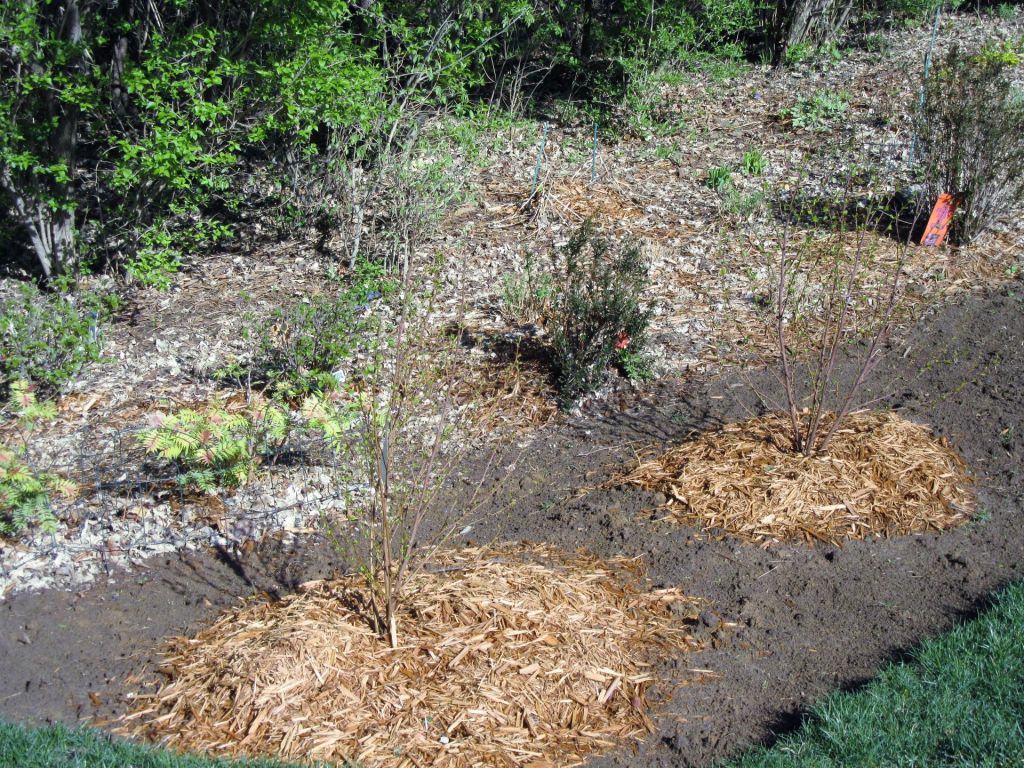
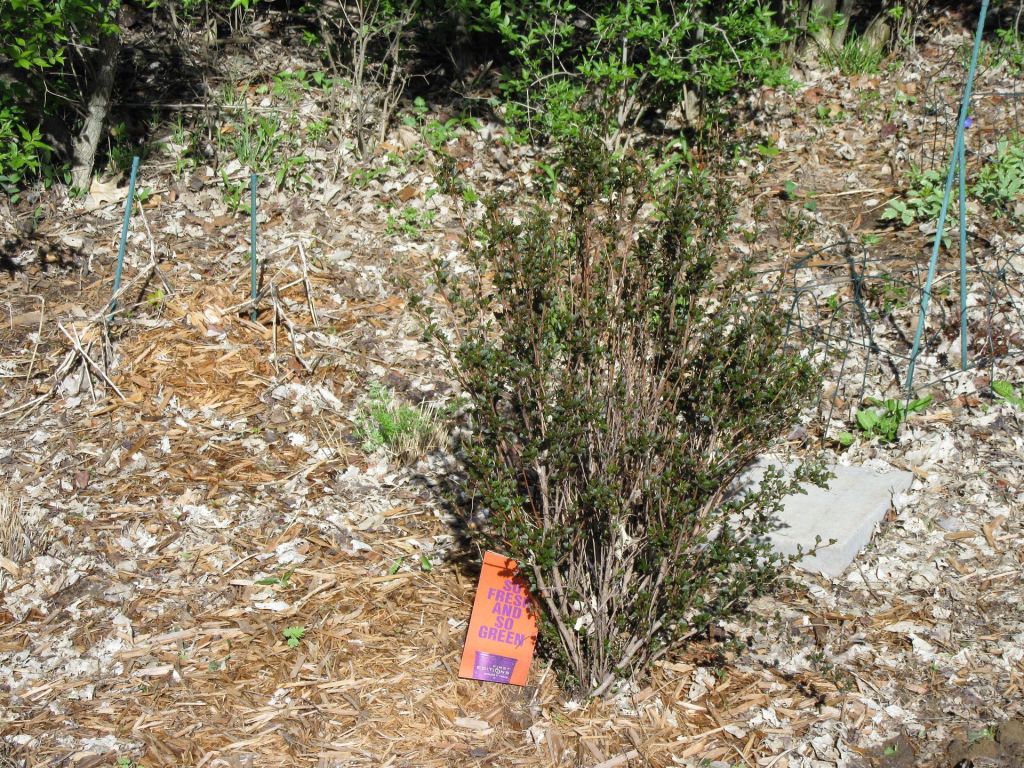
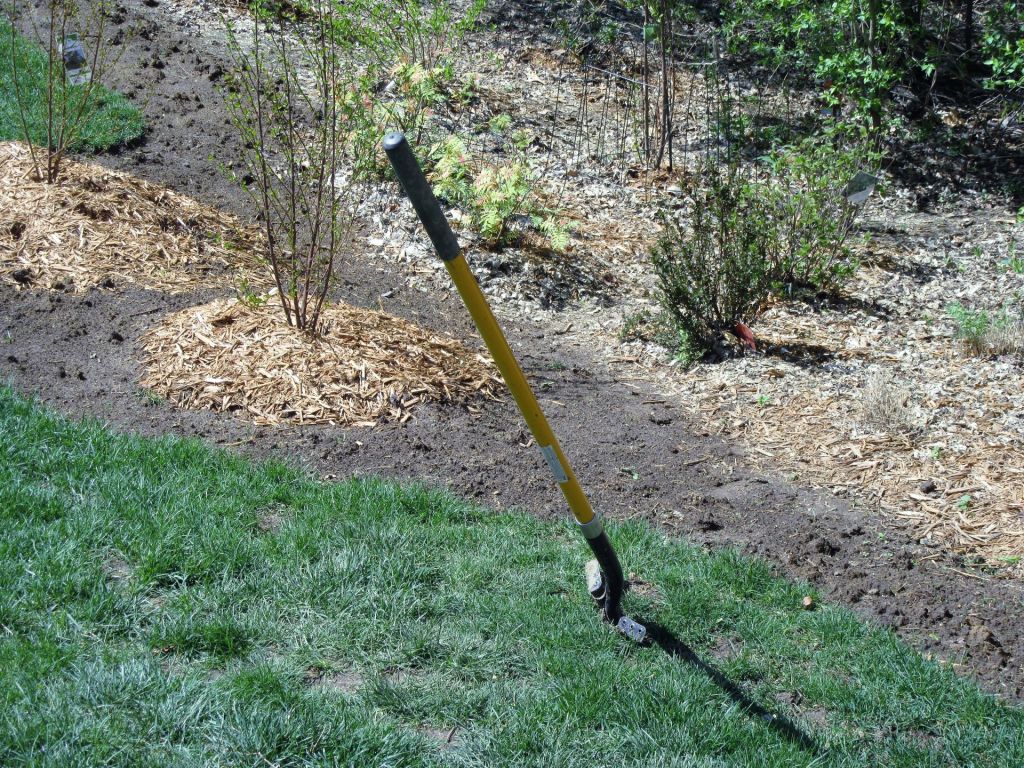
Happy Earth Day! Yesterday, Sena worked pretty hard out in the garden spaces. She has planted ten river birch trees. I did my usual spring lawn edging, which followed the first mow of the season a couple of days before by the lawn mowing service.
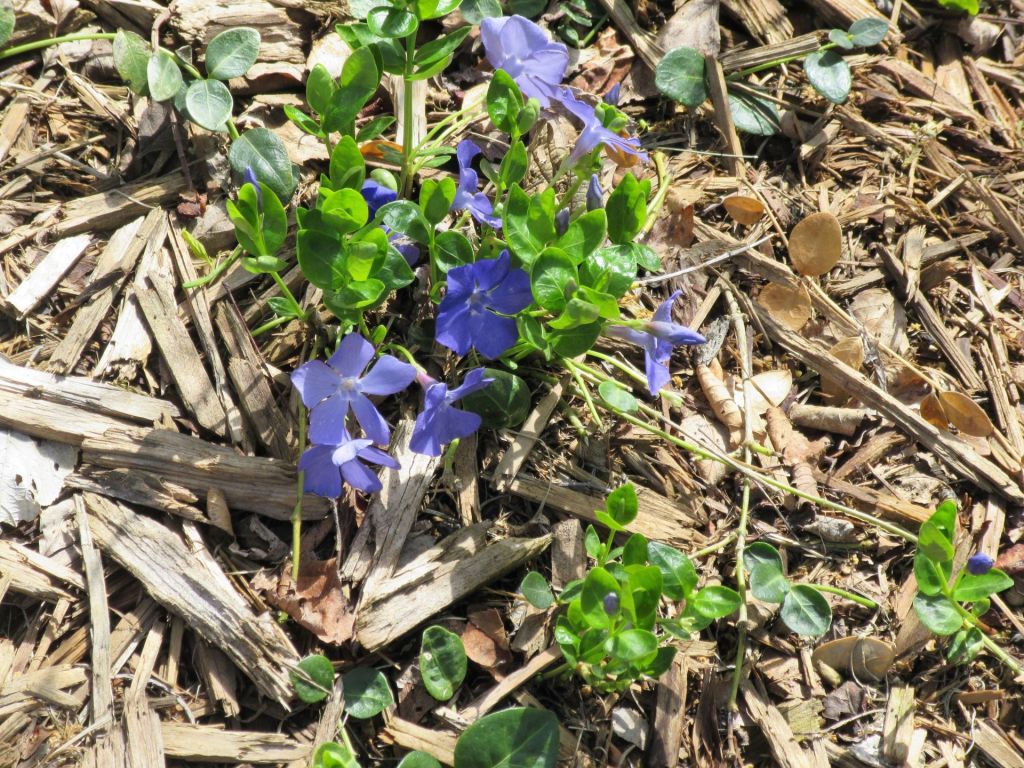
The vinca is coming up in the garden circle in our back yard. It reminds me of a time many years ago when I chopped a bunch of vinca out of a substantial portion of the back yard of a previous house. This became Sena’s first big garden. We’ve moved several times since then and there have been a number of other gardens.
True, vinca is invasive and I think it’s also called creeping myrtle or periwinkle. I found out later after I chopped out a few bushels of it that the plant has organic compounds called alkaloids which inhibit the growth of certain cancers. Vincristine and vinblastine are approved for use in the United States.
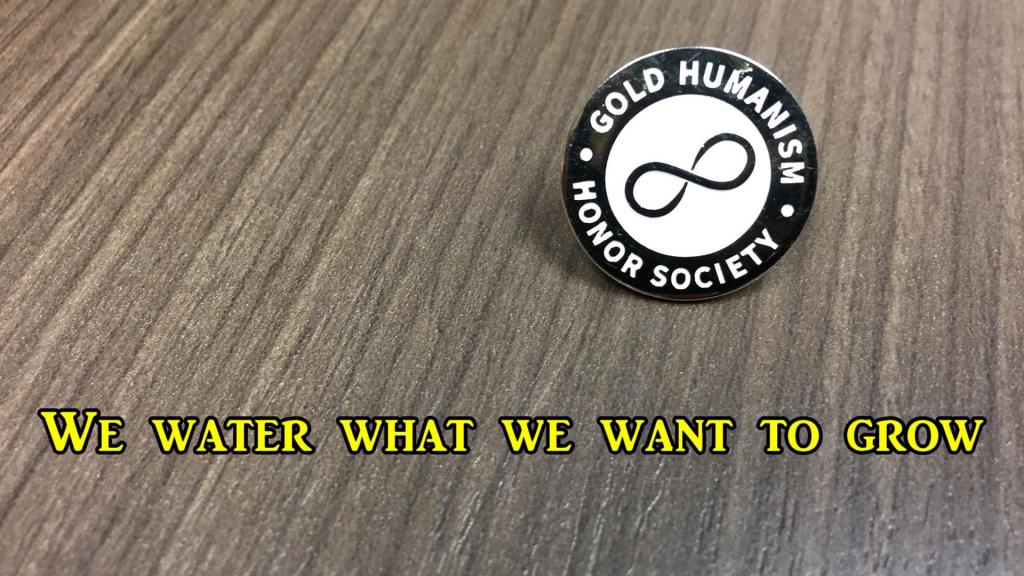
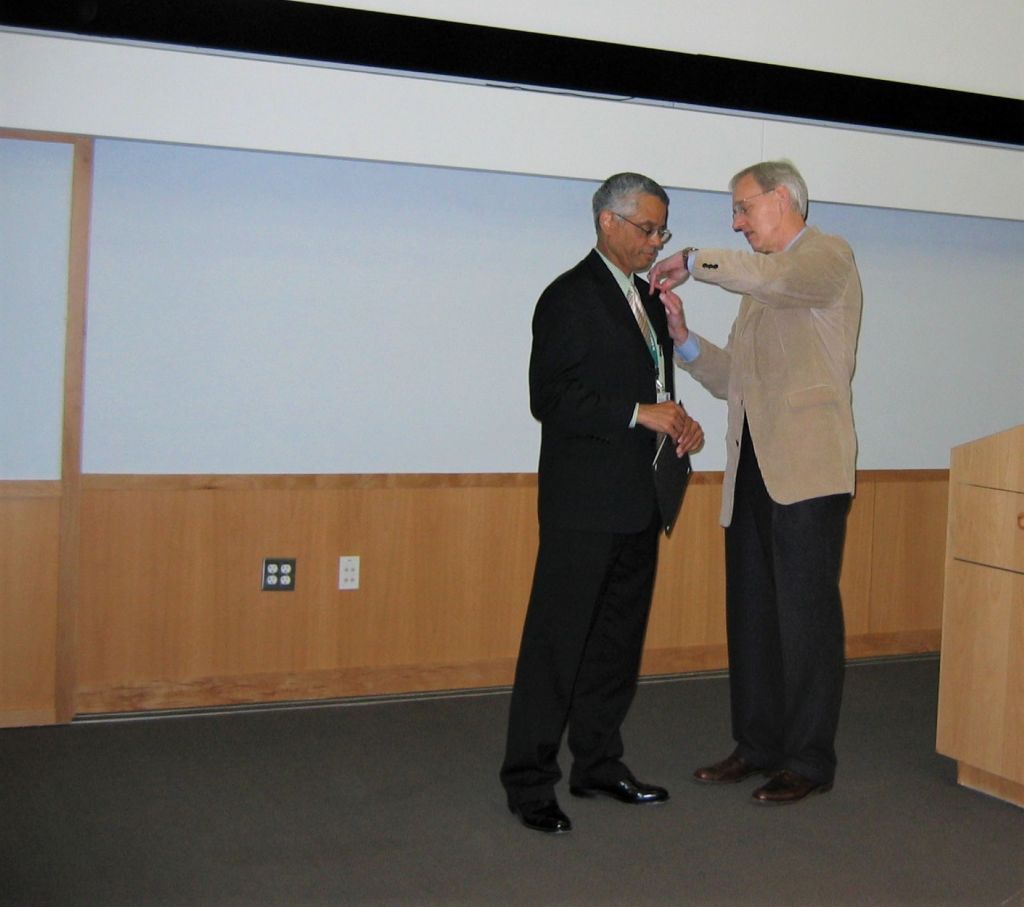
The reason I’m mentioning vinca is that way back early in my career as a consultation-liaison (C-L) psychiatrist at The University of Iowa Hospitals & Clinics, I dimly recall giving a short acceptance speech for winning a Leonard Tow Humanism in Medicine award from the Arnold P. Gold Foundation in 2006. I was nominated for it by one of the psychiatry residents and another faculty member.

In my speech I mentioned cutting out all of the vinca (which I thought was a weed) in the back yard. I was pretty proud of getting that job done—until Sena got home and found out. She was less than thrilled about my accomplishment and explained that vinca was not a weed. In fact, she wanted it to grow.
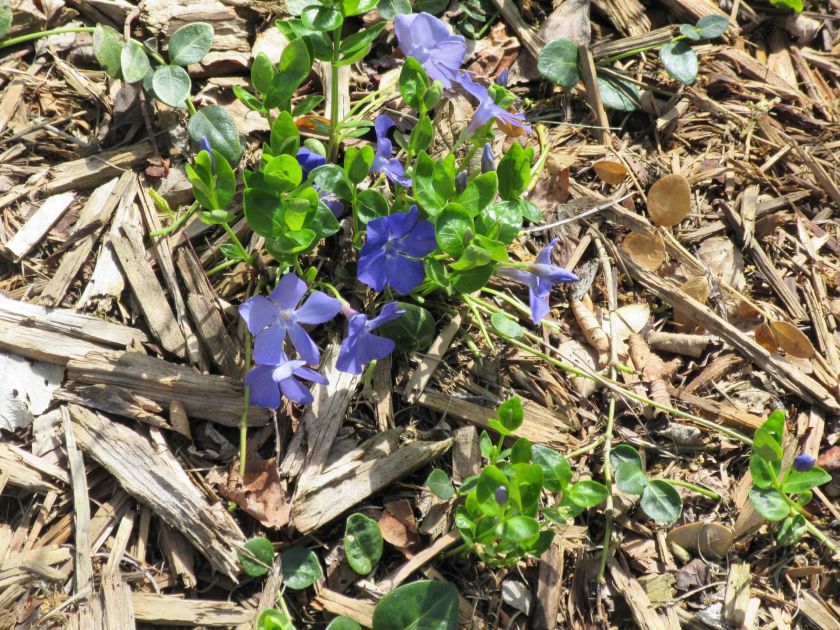
I still have the speech and one of the points I made was, “…we water what we want to grow.” The speech is below:
Good morning distinguished guests including graduating medical students, Dean______.
Today we gather to reward a sort of irony. We reward this quality of humanism by giving special recognition to those who might wonder why we make this special effort. Those we honor in this fashion are often abashed and puzzled. They often don’t appear to be making any special effort at being compassionate, respectful, honest, and empathic. And rewards in society are frequently reserved for those who appear to be intensely competitive, even driven.
There is an irony inherent in giving special recognition to those who are not seeking self-aggrandizement. For these, altruism is its own reward. This is often learned only after many years—but our honorees are young. They learned the reward of giving, of service, of sacrifice. The irony is that after one has given up the self in order to give back to others (family, patients, society), after all the ultimate reward—some duty for one to accept thanks in a tangible way remains.
One may ask, why do this? One answer might be that we water what we want to grow. We say to the honorees that we know that what we cherish and respect here today—was not natural for you. You are always giving up something to gain and regain this measure of equanimity, altruism, trust. You mourn the loss privately and no one can deny that to grieve is to suffer.
But what others see is how well you choose.
I didn’t write down the anecdote about the vinca. I think I was also trying to make the point that vinca can be thought of as an invasive “weed” as well as a pretty garden plant. Furthermore, while the vinca alkaloid (for example, vinblastine) can be an effective treatment for some cancers, it can also cause neuropsychiatric side effects, which can mimic depression. That’s where a C-L psychiatrist could be helpful, showing how medicine and psychiatry can integrate to move humanism in medicine forward.
Anyway, ever since then, vinca has often been a part of Sena’s garden, including the one where we live now. And, whenever we walk on any of the trails in Iowa City or Coralville, we always notice it carpeting the woods.
We can probably apply the little law “we water what we want to grow” to many things in life. We can choose to apply it to the world in which we live by creating a safe home to shelter a happy family, doing useful work in the garden while practicing kindness, gratitude, and patience.
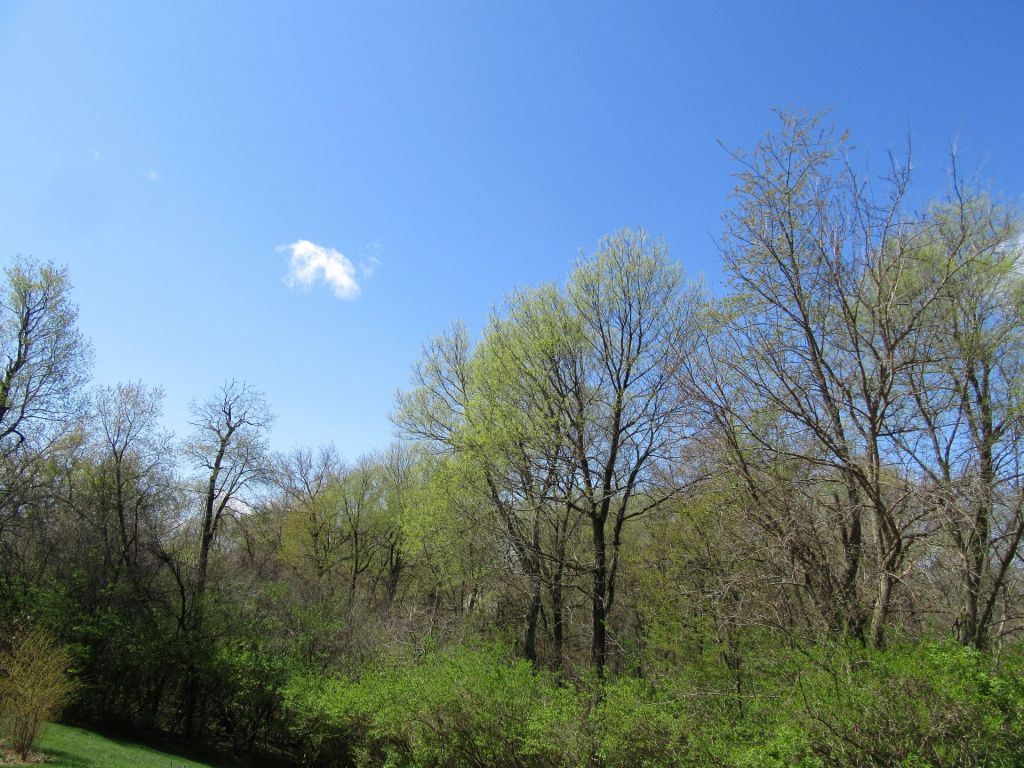
We can start by planting an idea like a tree.


 Go Retire Psychiatrist