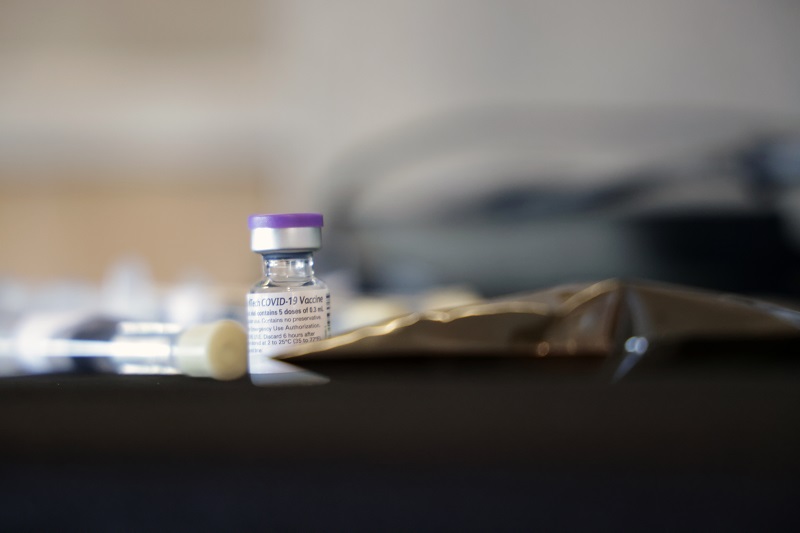
The first supply of the COVID-19 Vaccination vials arrived at the University of Iowa Hospitals and Clinics (UIHC) this week. We couldn’t have wished for a better Christmas gift. As a recent UIHC physician retiree, I know first hand how hard everyone works there. They live the motto: We Stand Together. UIHC is making history—and they’ve been doing that for a long time.
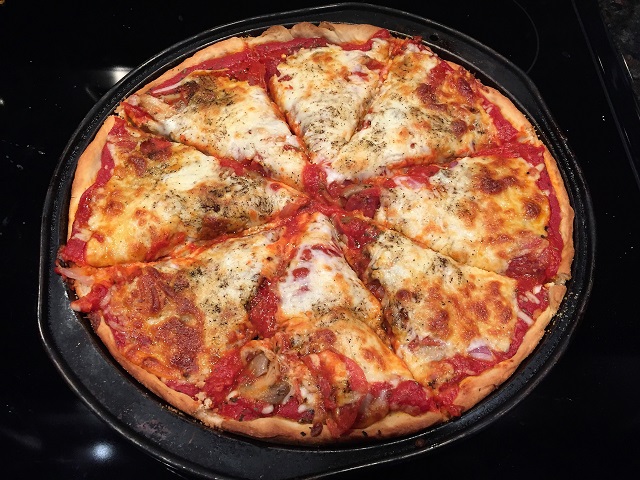
Here’s another post on music. This one got started while watching Eric Clapton Crossroads Guitar Festival 2019 last night on the Iowa Public Broadcasting Service channel. It’s great pizza and beer music. It was the fifth event of its kind since it got started in 2004. Part of the profits go to support the substance abuse treatment center in Antigua, founded by Clapton. Although inpatient treatment programs are currently suspended because of the COVID-19 pandemic, a virtual intensive outpatient treatment program is available.
I don’t mean to belittle Crossroads with the pizza and beer remark. I’m leading up to something and there is nothing wrong with enjoying music of any kind along with pizza and beer. Clapton and Peter Frampton did a superb job doing an old Beatles’ tune, “While My Guitar Gently Weeps.” Clapton did the original guitar solo on that one, which I didn’t know. Sheryl Crow and Bonnie Raitt rocked out Bob Dylan’s “Everything is Broken.” Many of the artists were older than me (I’m no spring chicken although they are definitely not retired). However, a newcomer, Lianne La Havas, delivered an outstanding cover of “I Say a Little Prayer for You,” originally sung by Dionne Warwick, later by Aretha Franklin.
It was great fun listening to these old songs. Most of them, except for “I Say a Little Prayer for You,” did tend to remind me of all the trouble going on in the world now, including the pandemic, political vitriol, and violence. Come to think of it, we could all use a little prayer right now.
I thought about posting the YouTube videos of a few of the Crossroads Festival songs. But I noticed that one of the YouTubers carried a large number of deleted videos, possibly due to copyright infringement issues, and they’re relatively recent. I figured the posted videos might not last long.
This brings me to an old (meaning much older than the 1960s) classical work I heard recently, “Vaughn Williams: Fantasia on a Theme by Thomas Tallis.” I saw it on the Light Classical cable music channel I wrote about a couple of days ago, the one about Samuel Coleridge-Taylor.
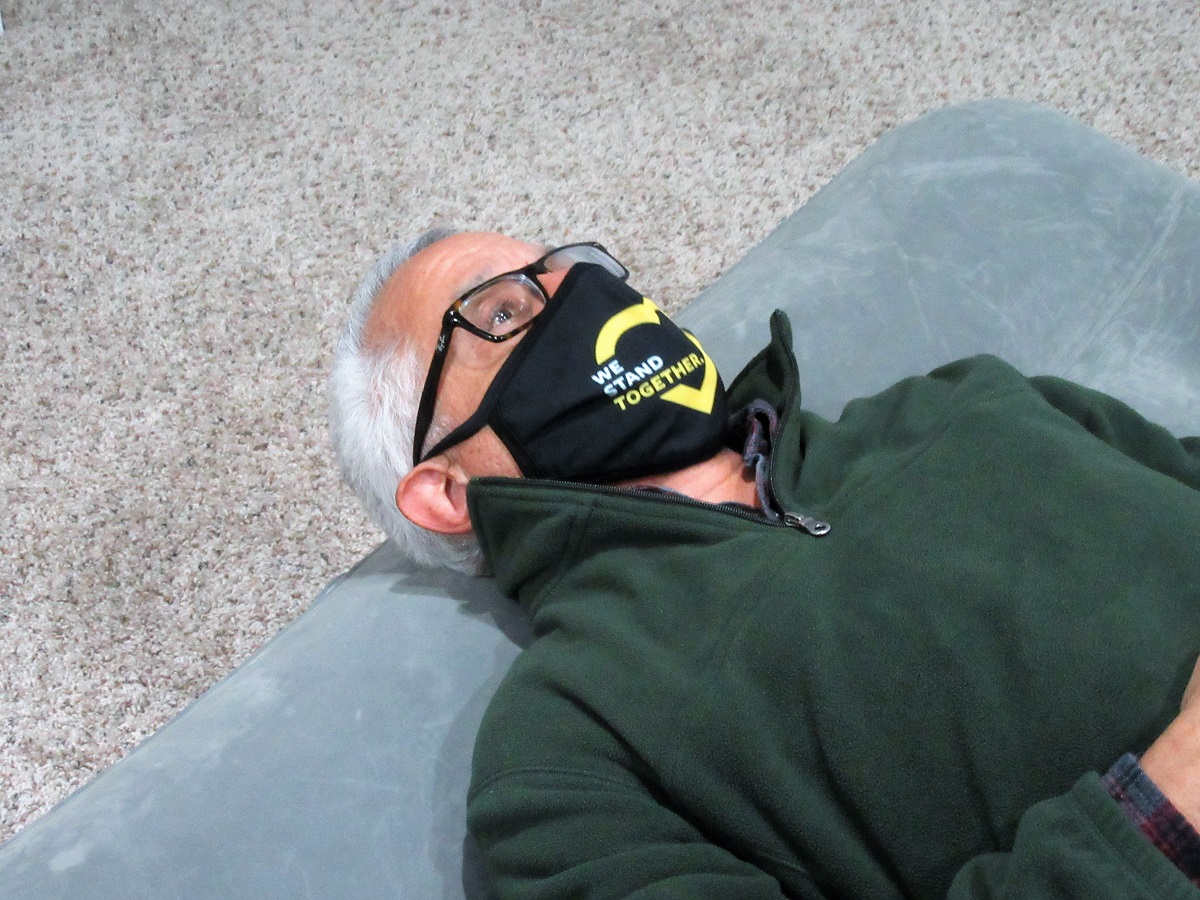
This one actually woke me up while I was sleeping on the couch. I frequently fall asleep to most classical music, partly because it helps me relax. However, the Vaughn Williams Fantasia didn’t just calm me—it also energized me. I’ve heard about the quality of music that can do that for people, but I was a bit skeptical. I have since looked for YouTube versions of the work, trying to find the same one I heard on the cable music channel.
I’m pretty sure I found it. It’s the one recorded by the Philharmonia Orchestra (London, UK) just last month, October 2020. I’ve listened to a couple of other highly praised recordings you can hear from a YouTuber called 2ndviolinist. One was by the Boyd Neel String Orchestra conducted by Boyd Neel in 1936. The other was done by the Halle Symphony Orchestra, conducted by Sir John Barbirolli in 1946. Both are widely thought of as masterpieces.
The Philharmonia Orchestra players are all spaced at least 6 feet apart, adhering to the social distancing required to reduce transmission of COVID-19. If I close my eyes (or even if I don’t), this doesn’t make me nervous as I listen to the oceanic sonority of the music itself. Many comments about the recording attest to the beauty of the piece, making it a soothing treasure in our troubled times.
I’m less worried about the possibility of the video ever being deleted. I felt the same way about the one by Samuel Coleridge-Taylor. It isn’t just because they’re old and copyright issues may be less of an issue. It’s more because they’re probably universally viewed as vital for healing our souls. At least I hope so.
Grab a pizza and a beer—and enjoy music that heals.
We’ve been camping in our basement since yesterday. We’re having our upper level wood floors sanded and resealed. This has led to a new sense of togetherness for me and Sena. We had to get all the furniture off the floor. We were lucky enough to be able to find places to move them.
We briefly considered renting a motel room for the duration. However, the cost would outweigh the inconvenience. We opted for the total inconvenience plan. This meant we had to make the basement as comfortable as possible. We had to think of all the necessities and some of the conveniences we take for granted on the upper level and somehow make those happen downstairs.
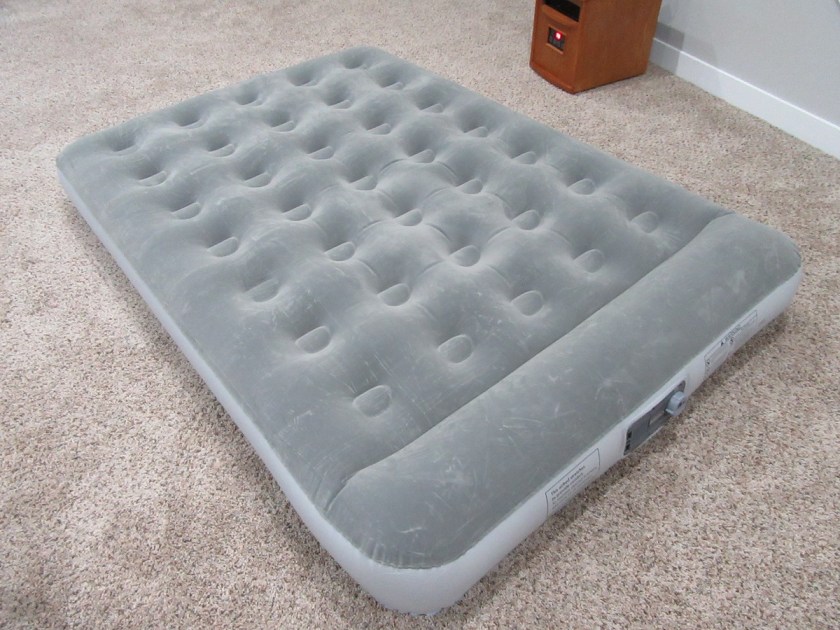
Sena came up with the idea to use air mattresses. We’ve never used them before. I had visions of me turning blue trying to blow them up. I can’t even blow up a toy balloon. Fortunately, Sena found a model that inflates just by plugging it into a regular electrical outlet and turning a knob. It doesn’t stop filling automatically, though. The instructions warn you not to inflate more than 5 minutes because that could burn out the motor. But there is no warning about the danger of an exploding air mattress. Be careful with the levitation mode.
The last two days have been pretty noisy. If you’ve ever listened to heavy duty sanding machines, the din is tremendous and nearly constant all day long. It’s like living in a giant’s wood shop. When the screeching stops, the buzzing starts. When the buzzing stops, the whirring starts. In fact, the sound is similar to the noise of Frank’s stump grinder (see post 10/2/2020). We were a little surprised when one of the workers sanded all the way through the floor and landed on our new folding table while we were having lunch. Good workers like that are hard to find.
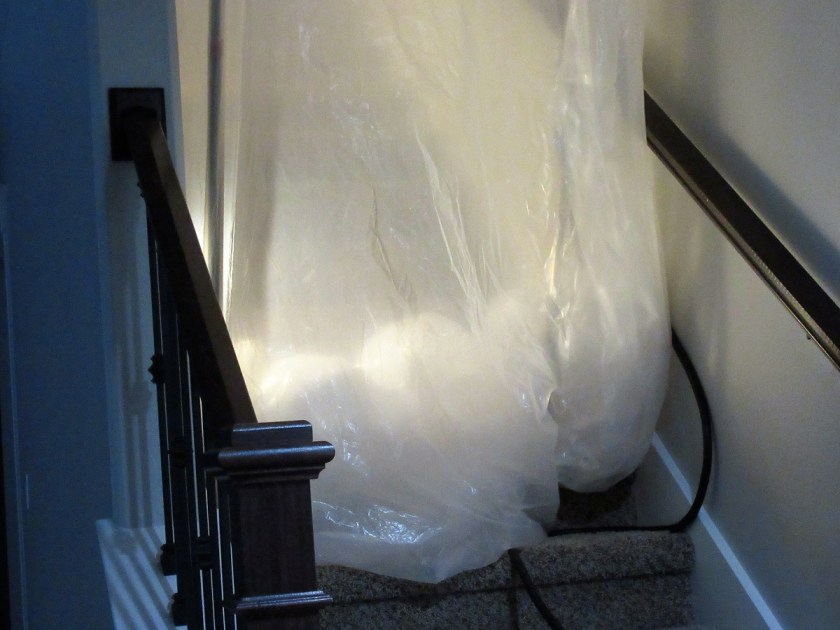
Sanding wood floors raises a regular haboob of dust, so we were sort of barricaded by heavy plastic on the stairway. We could sometimes hear the workers sneeze and cough, but most of the time they were muffled by masks. We never needed to wear masks against the dust because of the measures the workers took to protect us. We wore them when we talked face to face with them for the same reason—to protect them (and us) from coronavirus.
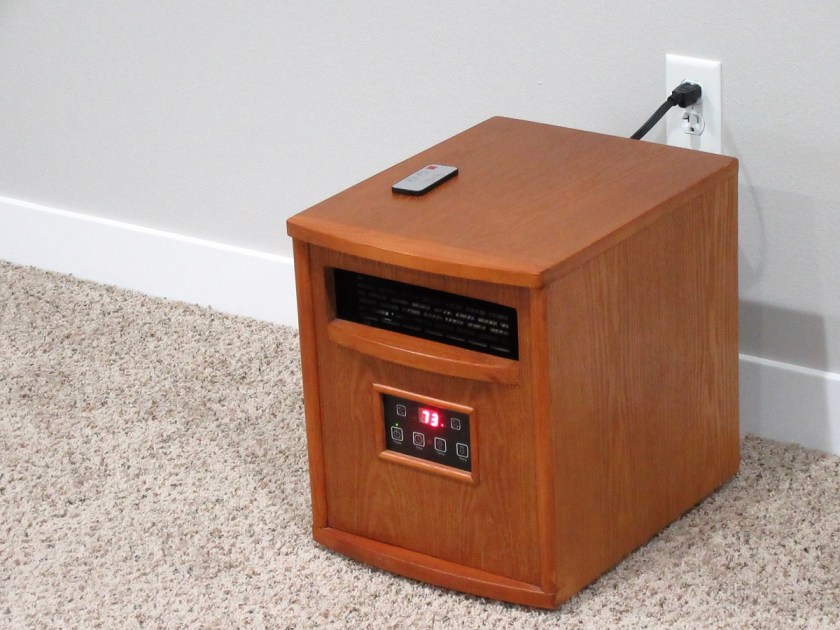
Heavy sanding also raises the temperature and it got pretty warm upstairs. On the other hand, it tends to be chillier downstairs and the furnace doesn’t come on. We’re lucky to have a little space heater.
I mentioned togetherness earlier and a smaller space like the basement has brought us together more. It’s more crowded in the kitchen (I guess I should say wet bar). The refrigerator is a blessing, even if it’s smaller. Doing the dishes can be a little bumpy, but we haven’t broken anything—yet.
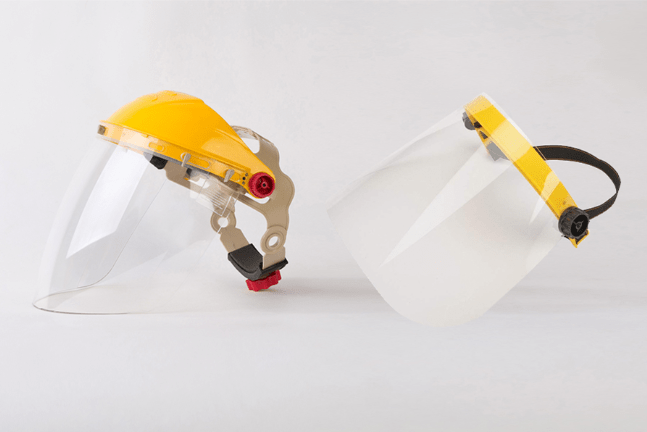
At the hospital where I work, face shields are preferred over medical grade masks, mainly because they keep you from touching your face. We now wear face masks and shields, according to CDC guidelines.
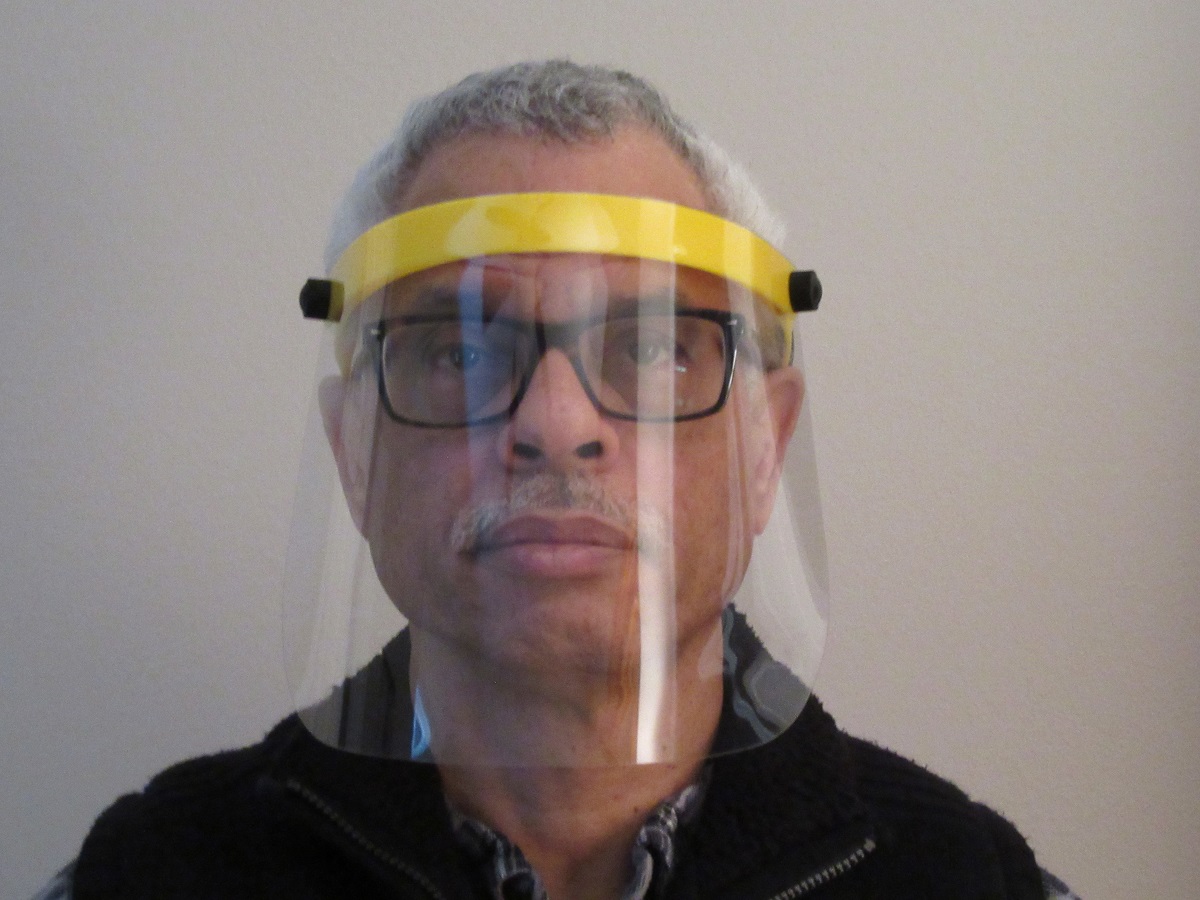
We got a couple of face shields through Amazon. It’s a kit you have to put together. I wish I had known that beforehand. The instructions in the package were not helpful and the picture guides on Amazon were not much better, but they at least got me started.
I put a few scratches in the plastic cover while putting one of the shields together. I did a little better with the second shield. I’m hoping that wearing these out in the community won’t become part of the new normal.
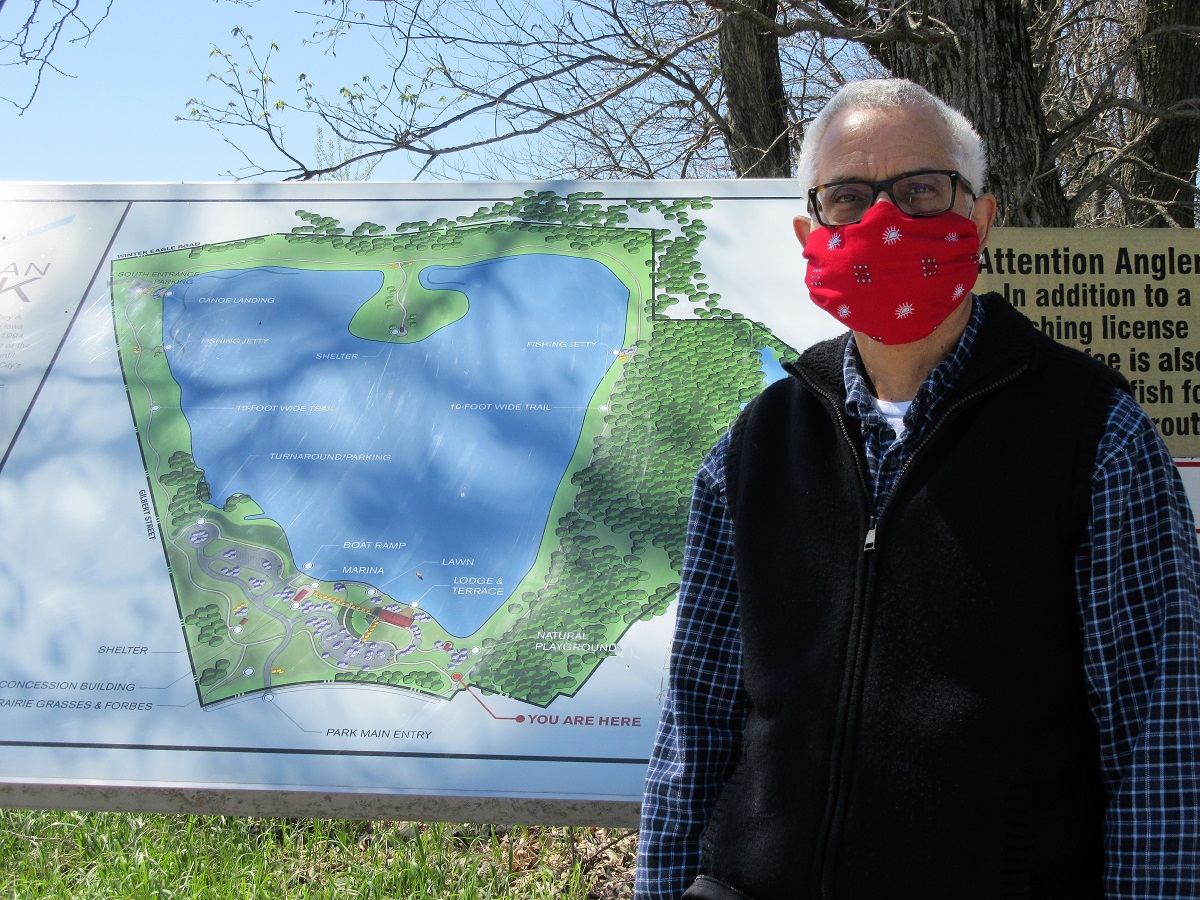
Today we took another walk on the Terry Trueblood Trail. This time there was a different feel. We wore face masks and there were new signs directing one-way traffic in order to facilitate social distancing. We noticed a few people wearing masks, but not many more than the last time we were out there.
Sena got a kick out of picking up groceries the other day. The guy who brought out the groceries was wearing a face mask—just not covering his face. He knew the guidelines and could recite them, but he had complaints about the mask: “I can’t breathe!”; “It’s hot!”; “It fogs up my glasses!”; “It gets in my way!”
I heard that. But there’s a right way and many wrong ways to wear a face mask.
The robins are building their Hurrah’s nests in our back yard again. That’s about the only thing that has not changed. The COVID-19 (C-19) pandemic has changed just about everything else in our lives.
I wear a face shield now at the hospital. We’re told to wear it as much as possible, like putting on our clothes in the morning. Don’t we leave them on all day? The shield keeps you from touching your face, which is why it’s better than a face mask. However, I’ve noticed something about wearing the face shield for much of the day. Before I describe it, let me give you analogy: If you’ve ever worked detasseling corn when you were young a long time ago, you might remember what happened when you closed your eyes at night and tried to go to sleep. I saw corn fields—miles and miles of corn fields. When I opened my eyes, the vision would disappear. But as soon as I closed my eyes again, I saw the vast corn fields.
It’s crazy, but I have a similar sensory after-effect when I doff my face shield–sometimes I still feel the headband. The pressure of it is just the same as if I were still wearing it. I suppose it’s because I cinch it too tightly. But if I don’t, it slips down my brow, pushing my eyeglasses down my nose.
Another change—I’m a Consultation-Liaison (C-L) Psychiatrist, so I’m used to washing my hands in between patients in the hospital. Now, I’ve got something I’ve never had before–alligator hide patterns on the backs of my hands. They’re dry and cracked. I don’t count the number of times I wash my hands, but it’s a lot more frequent than I used to do. It’s not uncommon for health care professionals to wash hands 75-100 times a day in the C-19 era. I have to use hand cream conscientiously—something I almost never did.
I’m less comfortable being closer than several feet away from people. I tend to hug the walls and corners in stairwells, where I now encounter more people than I ever have before. I guess the message everyone hears is “Stand by me—six feet away if you please.”
I don’t shake hands anymore. The lines into the hospital sometimes lead to crowding while we wait to have our temperatures taken and answer the screening questions about whether we’ve had fever, cough, shortness of breath, etc. It’s perfunctory most of the time, because virtually always the answer is “no” and everybody is in a hurry.
I don’t carry my little camp stool with me anymore, which allowed me to sit down with patients and have face to face, eye level interaction. I’m distinctly uncomfortable standing over them because I haven’t done that in years. If there is a chair in the room, I’m hesitant to use it because, like the camp stool, I worry that it might carry C-19 virus on its surface.
I used to evaluate psychiatric patients in our emergency room by simply going there and seeing them face to face, either in their rooms or, when it was really busy (which is most of the time), in the hallways.
I just used a remote telehealth interface platform using an iPad the other day, which allows me to interview patients from my office, in order to avoid the risk of contagion. It was a little slow and awkward, and I was uncomfortable that a health care professional had to be in the emergency room to hold it up for the patient—who was covered in blood. I felt a little guilty.
I used to round with medical students and residents on our patients. We were the movable feast, a sort of MASH (Mobile Army Surgical Hospital) unit, more like Mobile Unifying Shrink Hospital (MUSH). Unifying means unifying medicine and psychiatry. The medical students are not permitted on the wards now, in order to protect them. It’s awkward rounding with only one resident at a time, although another resident can do other things like chart review and telephone relatives for collateral history. I get in the hospital earlier nowadays, and see many non-C-19 patients alone without trainees, preparing for the C-19 surge when I expect we’ll get many more consultation requests to help care for C-19 patients with delirium and depression. It’s a one-man hit-and-run psychiatry consult service and efficiency is mandatory to meet the demand.
I see patients by myself for another reason. Try as we might, C-19 positive patients will slip through the screens. Many are asymptomatic but contagious, and any test will have false negative results. The idea is to expose the least number of health care front line staff members as possible. Faculty capacity is stretched pretty thin, which is pretty much the situation everywhere. I have to choose. I’m older. I’m weeks from retirement. I’m afraid.
But robins don’t have the burden of choice. They obey their instinct every spring, just the same.
Today was my first day back on the hospital consultation-liaison service and I’m a little tired. I put about 2 miles and 22 floors on my step counter, which was a nice pace for starters. It’ll get busier as the COVID-19 surge develops over the next couple of weeks.
Being in phased retirement means I’m away for weeks, sometimes more than that. The pandemic changed many processes and policies while I was gone.
I think the biggest challenge I had this morning was just getting used to donning and doffing the face shield. I passed many people in the halls who are wearing them. My clumsiness was a little embarrassing. It took me a while just to figure out how to adjust the head band. But those who recommend them are right–they keep you from touching your face, which the masks don’t do.
You may have seen my YouTube video and the post on how to trim beards so they don’t interfere with the seal of the N95 masks. I even shaved mine off. Come to find out, I’ll probably never have to wear one given the shortages of masks generally.
I’m learning a lot of things on the fly and that includes how to use electronic gadgets to facilitate remote interviewing in order to cut down on spread of the virus.
I saw a lot more people in the stairwells and elevators were much less crowded.
It’s snowing today, starting this afternoon. It’s not a blizzard. It comes down slowly and peacefully. Occasionally I see people and their kids and dogs out walking in it, likely grateful for the fresh air. It’s hard to be stuck indoors, self-isolating because of the COVID-19 epidemic. We play cribbage.
Sena tried the grocery pickup thing in order to avoid crowds. She ordered yesterday and picked up this afternoon. For the most part, the shoppers did OK. We noticed that as she was ordering, items would be sold out even before and sometimes after (we found out later) the ordering was done.
But we were able to get toilet paper.
This epidemic changes your life in many ways. I’m in the latter stage of phased retirement and I’ll go back on the consultation-liaison psychiatry service in April. I expect it to be busy, but I’ll likely not do as many face-to-face interviews, depending on the situations in the emergency room and the general hospital.
I probably won’t carry around my camp stool, which I use to sit with patients when I interview them. It’s just another item that the coronavirus can stick to.
We’re told not to wear neckties because they’re germy, but I gave that up a long time ago for banded collar shirts. But now I’ll have to remember to keep my arms bare up to the elbows.
We’re also reminded to avoid elevators so as to maintain social distance (6 feet or 2 meters, roughly). I’ve been taking the stairs for years. Many people avoid the stairs.
I’ve gotten used to handwashing because I’m a hospitalist. I’ll wear masks a lot more frequently as well as don and doff personal protective equipment as needed more often.
I’m older and I worry a little bit about belonging to a higher risk age group for COVID-19 and being exposed more. On the other hand, I’m pretty healthy compared to a lot of patients younger than me.
I’m glad the next generation of doctors will be taking over, though.
I was just notified about the National Neuroscience Curriculum Initiative (NNCI) “Quarantine Curriculum” this afternoon–the program starts tomorrow. It’s a 14-day program. It’s free and all you need to do is register (also free) to log in so they can track usage.
The Zoom web-based conferencing app will be used to facilitate the program. It’s being launched in response to the COVID-19 challenges to providing classroom teaching, one of which is to prevent spread of the virus by cancelling in-person classes. The course description and the Zoom link is here.
The recommendation for social distancing to reduce exposure is leading to school closures (I can hear children playing outside; it’s an all–day recess), and recommendations to find alternative ways to approach the didactic component of medical education. The Quarantine Curriculum is one way.
NNCI is designed by medical educators to meet the need for building a strong neuroscience knowledge base for residents across many disciplines in medicine and psychiatry. I think it’s an excellent platform and one of our faculty members is on the NNCI executive council.
NNCI makes learning neuroscience fun. Check it out!







 Go Retire Psychiatrist