
After more than a decade of not experiencing the pleasure of gravity draining a water heater, we drained our water heater today. It’s only a year old because the house is new. We did it just because most plumbers recommend you drain your water heater annually and sometimes twice a year.
I had to search the web for instructions, some of which conflicted with each other. One source that was almost comical was on a web site made possible by PlumbingSupplydotcom. There’s no date on it, but it’s for anybody who wants to ask a plumber questions about anything to do with plumbing.
I found a YouTube that made the job fairly simple even for guys like me.
The last time we drained a water heater (in a different house a long time ago), I opened the Temperature and Pressure Relief (TPR) valve as part of the process. The guys who filmed the YouTube didn’t touch it or even mention the TPR valve.
It turns out that opening the TPR valve whenever you drain the water heater might be a matter of opinion. Another way to expedite the emptying process is to just open all the faucets (hot side) in the house. I guess you could do both according to one guy.
One thing I can tell you, opening just one or two faucets might not be enough to get the draining process going fast enough. As one of the plumbers on Plumbing Supply put it, it might be best to open them all. Water drained pretty slowly until I did that.
Although Artificial Intelligence (AI) will tell you it takes about 15-20 minutes, it can take more time for many reasons, so beware of AI guidance because it lies.
I followed the steps outlined in the YouTube video I mentioned above, “2 Easy Ways to flush/drain Water Heaters” posted by The Honest Carpenter. It was only 3 years old and had 2.3 million views and 867 comments when I found it today.
The only tools needed are a flat head screw to open and close the drain valve and a garden hose with a coupling to screw on to the drain valve opening. Watching it drain doesn’t help; it’s too much like watching paint dry.
It’s really not that complicated, at least not as complicated as the back and forth on the Plumbing Supply web site made it sound. There was a suspicion by plumbers that the guy asking how to drain his water heater was making stuff up. One suggested shooting the water heater with a 30:06.
If you’re going to do that, consider first releasing the TPR valve. Just kidding; guns won’t solve this or any other problem!
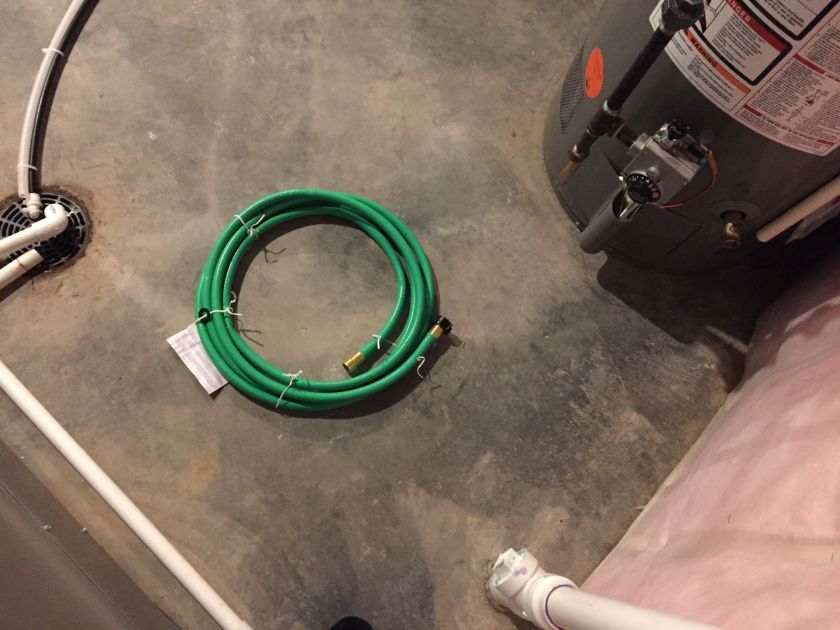
Addendum: We used a long garden hose, but Sena got a shorter one-for next time!

 Go Retire Psychiatrist