I’ll Have to Make Time

I suppose you’re wondering why I’ve been saying that my wife has got me this or that item, like the pink dumbbells and whatnot. She also got me an extra yoga mat.

Part of the explanation is that I’ve recently had a birthday, which reminds me of the importance of time in my life–mainly because I have a shrinking supply of it. After all, I’m heading into the sunset of my journey on Earth.

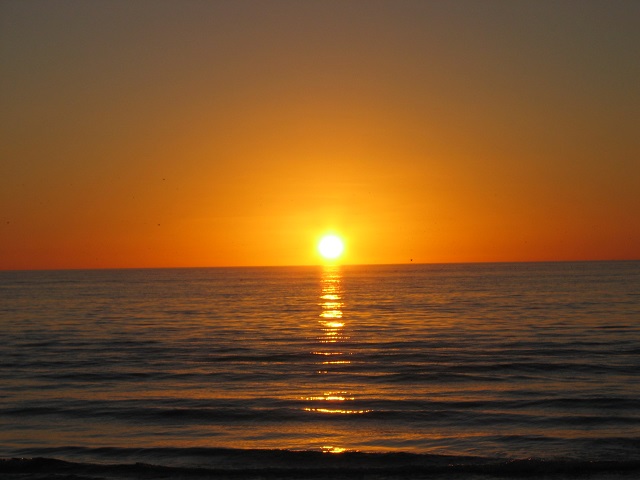
Sunset

Occasionally, I wonder what I ought to be trying to accomplish, if anything.

To achieve great things, two things are needed:

A plan and not quite enough time.

Leonard Bernstein

Bernstein’s quote is encouraging in a way. Hey, I’ve already got half of it–I don’t have enough time. Now all I have to do is achieve some great things.

I could go on the road to promote my idea for a hit song, “Put your hand in the hand of the man with a plan to get a tan, lead a band, roam the land, avoid the bladder scan, zippity do dah shazam.”

All I have to do is come up with lyrics…and a melody…and an agent…and a band…and a voice coach…and some talent.

Now, if I’m going to accomplish something great, it would make sense to keep working on building a more harmonious balance in my everyday life. I’m doing some of that, including regular exercise, mindfulness practice, and healthy eating.

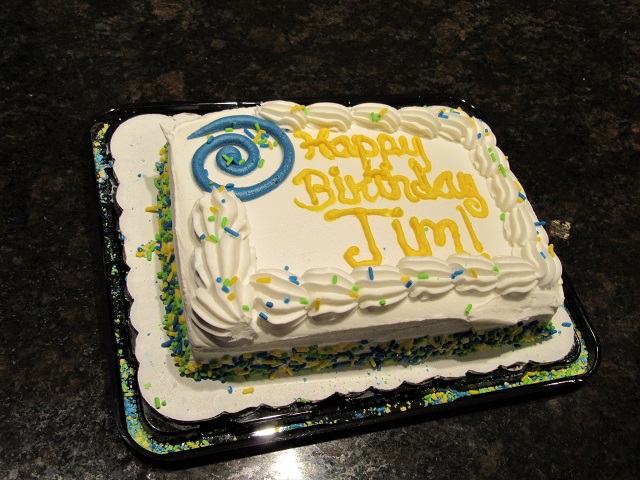
That reminds me, the birthday cake was excellent, especially topped with white chocolate vanilla ice cream.

Every so often, my former mindfulness teacher sends out an email message about the upcoming mindfulness classes. She always includes an inspirational quote, like the one below:

Be a person here. Stand by the river, invoke
the owls. Invoke winter, then spring.
Let any season that wants to come here make its own
call. After that sound goes away, wait.

A slow bubble rises through the earth
and begins to include sky, stars, all space,
Even the outracing, expanding thought.
Come back and hear the little sound again.

Suddenly this dream you are having matches
everyone’s dream, and the result is the world.
If a different call came there wouldn’t be any
world, or you, or the river, or the owls calling.

How you stand here is important. How you
listen for the next things to happen. How you breathe.

William Stafford – “Being a Person”

There was also a couple of suggestions for yoga and meditation techniques specifically to help you sleep. I recognized one of them as the body scan. The body scan is one of the first things they teach you in Mindfulness Based Stress Reduction (MBSR).

The body scan invariably put me to sleep, which made me feel like I wasn’t doing it right. Early on in the course, that was not exactly the “goal” of the body scan. Except mindfulness is not exactly a goal-oriented activity.

That’s hard to conceptualize. And so, the other class that is offered to those who make mindfulness practice a regular part of their lives are follow-up groups. It helps reaffirm the regular commitment to practice mindfulness.

I noticed one of the follow-up groups is entitled “Embracing the Paradoxes of Mindfulness.” The description of the course makes the point that mindfulness really isn’t about reaching a goal or achieving great things. It’s about being rather than doing. It’s hard for me to get my head around that after getting into and through medical school, residency, and practicing psychiatry for umpteen years. And now I’m making a transition to retirement.

One of my biggest fears about making and sticking to a mindfulness practice was that I often didn’t think I would have enough time for it. My teacher just advised me that I would simply have to make time.

Maybe I could accept the time I do have left and just be the geezer I am.

OK, OK, it’s not about relaxing…

Mindfully Retiring from Psychiatry

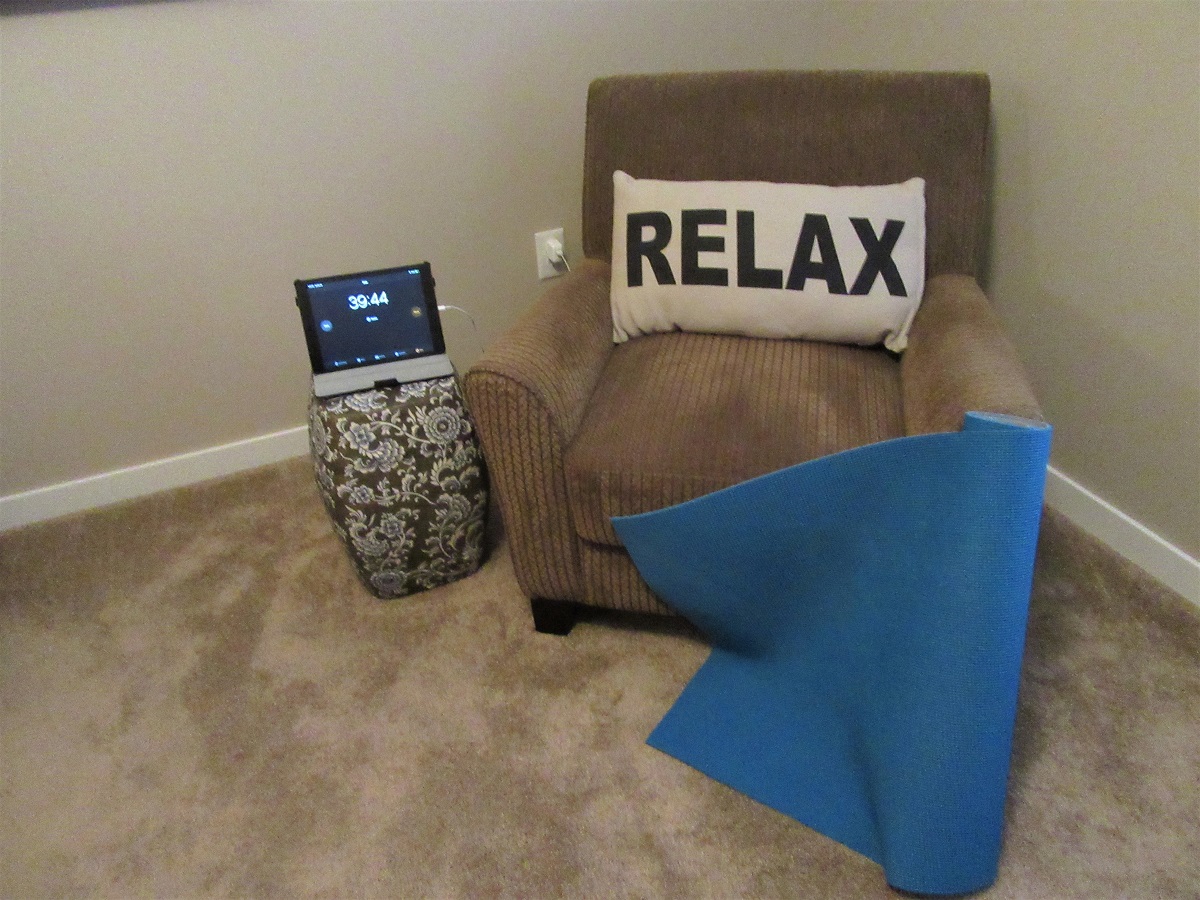
I’ve been off service for months and I’ll return to staff the general hospital psychiatry consultation service on Monday. It can be a stressful role and I’m “mindful” of how helpful mindfulness meditation has been. The featured image above shows my yoga mat and some might say a much too comfortable chair for sitting meditation. And of course, mindfulness is not really about relaxation; that’s just an old pillow.

 About 5 years ago the editors of the Arnold P. Gold Foundation Humanism in Medicine Blog saw one of my blog posts (from a previous blog) describing my path to mindfulness practice, which included burnout, a problem for nearly half of all physicians, the causes of which include the health care system itself as well as physician vulnerabilities. It was posted under the title “How I left the walking dead for the walking dead meditation.” I was also the recipient of what was called in 2007 the Leonard Tow Humanism in Medicine Award, sponsored by the Gold Foundation.

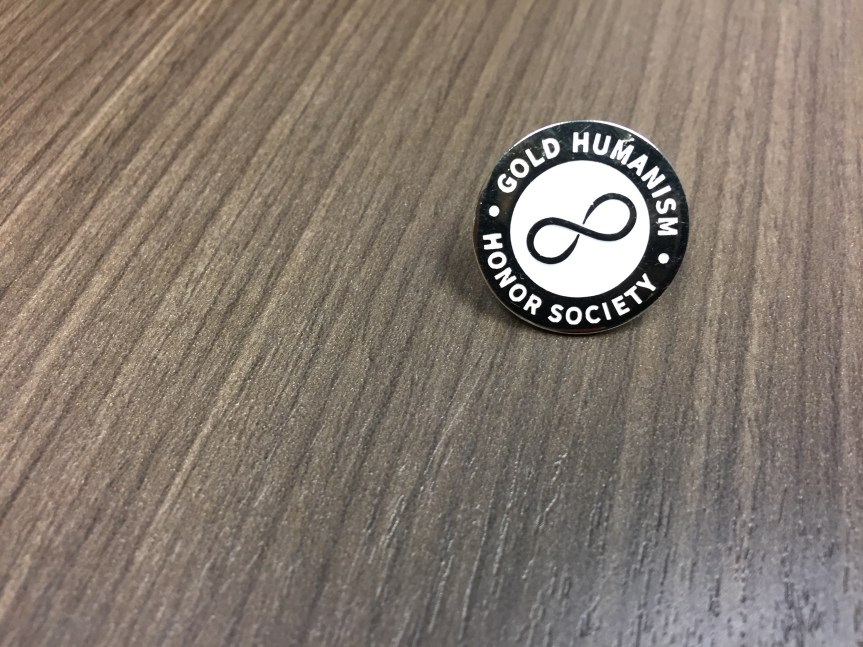
Leonard Tow Humanism in Medicine pin
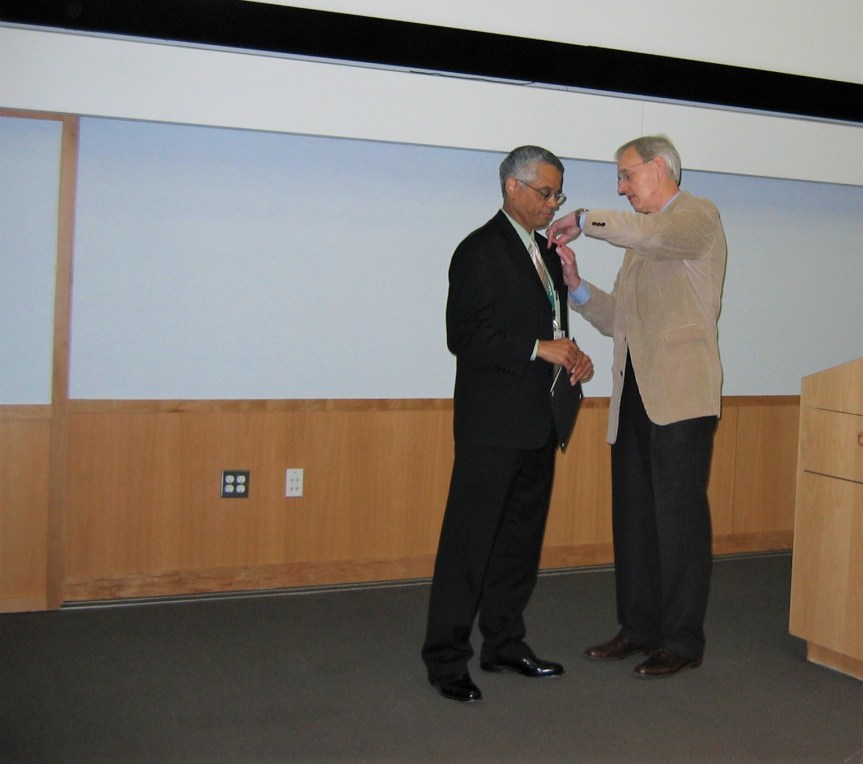
Getting the Humanism in Medicine Pin

This has me thinking about my motivations for retiring and what I’m going to do after I’m fully retired. Interestingly, the phased retirement program I’ve been in has given me a strong sense of how difficult this transition from full-time doctor to retired doctor entails. The meaning and purpose gap require more than a bridge made of recreational pastimes. The breath of relief after the great escape from work can soon become the sigh of boredom. On the other hand, my work as a psychiatric consultant has also been an enormous source of personal satisfaction. The video below gives a sort of Pecha Kucha account of what a Consultation-Liaison Psychiatrist does.

What C-L Psychiatry is about

It can get pretty hectic. Over the last two years of the phased retirement schedule, I’ve struggled to craft a daily routine at home that replaces the sense of accomplishment my work schedule provided—despite the pressures it exerted on my sense of well-being. Only now, in my third and final year am I starting to wonder the opposite.

For example, I’ve been exercising daily as well as practicing my mindfulness meditation. I’ve actually lost a little weight and my wife has noticed my shrinking paunch. I’m not laboring on my workouts by any means; my quads are not flopping over my knees. But I used to think that by climbing all those stairs and running all over the hospital I was staying in pretty good shape. It looked pretty impressive that my smartphone step counter logged around 20 floors and 2-3 miles a day. However, the consult service work demand can run hot and cold. It just doesn’t beat daily exercise.

How do I keep my daily exercise routine? I can hear myself saying that I won’t have time for it. I think my mindfulness teacher would probably remind me that my response could be to make time for it—just as I learned how to make time for mindfulness.

I’m looking for guidance in the literature on retiring psychiatrists, especially C-L specialists, and it’s pretty scant. So far, the best summary of it I’ve found were a couple of blog posts by H. Steven Moffic, MD on the Psychiatric Times web site. You can easily view them for free. In the first one, “Mental Bootcamp: Today is the First Day of Your Retirement,” published in 2012, he highlights the difficulty of psychological adjustment to retirement for psychiatrists. He advises, “Plan how to replace financial, personal, social, and generative needs that work has fulfilled.” There is no doubt I could do a better planning job.

In the second one, “Reviewing Retirement,” which was posted in 2014 (two years after he retired), he advises “Retire, even if you are not retired. Take enough time off periodically, and completely, with no connections to work, so that you can feel emotionally free from concerns about patients and practice.”

That speaks to me. In fact, the title of my blog site, Go Retire Psychiatrist, actually echoes this suggestion, although I never made the title with that connection in mind. I wish it were that easy to follow. You would be very lucky in today’s work environment to pull that off, even in academia. Phased retirement programs are one approach to preparing for retirement and could be effective for preventing burnout.

Go retire, psychiatrist.