Thoughts on the Book: “King: A Life” by Jonathan Eig

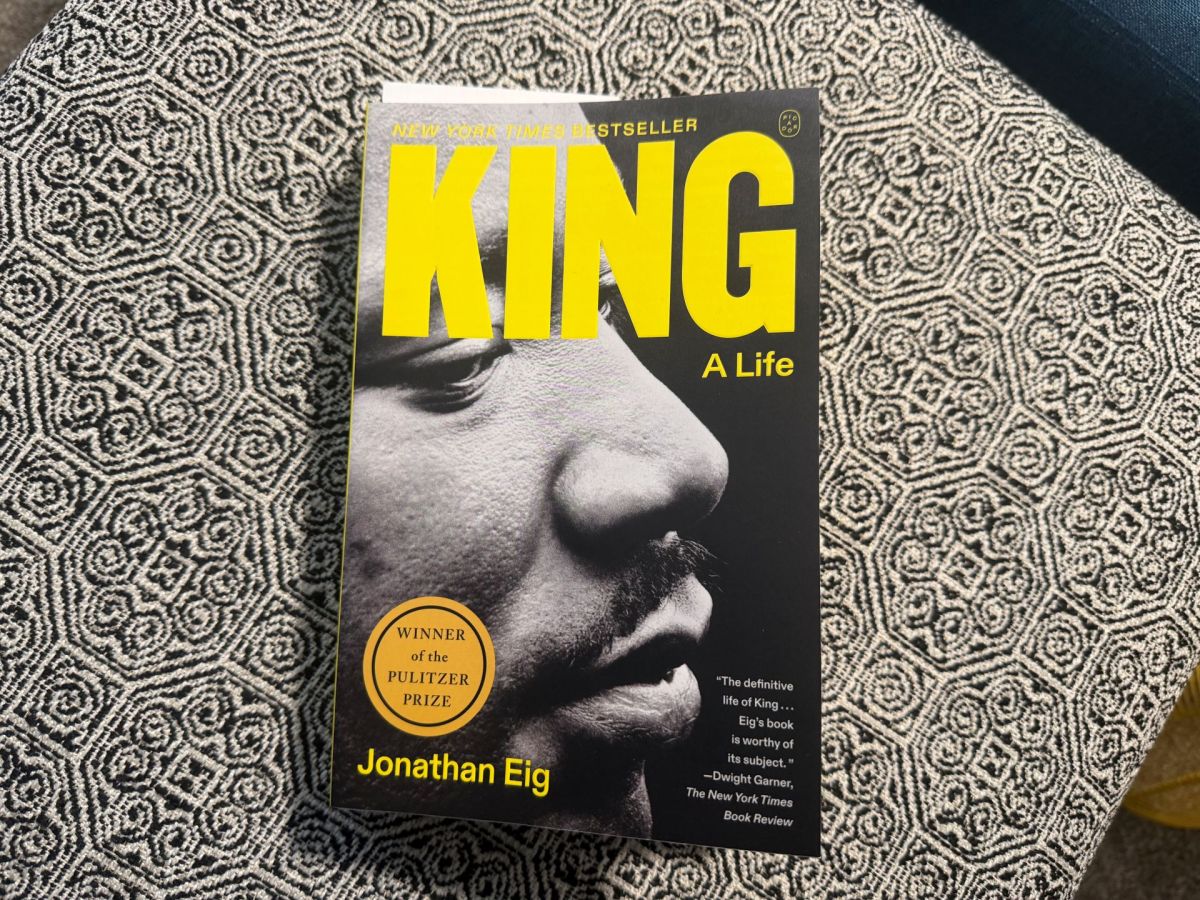
I just finished Jonathan Eig’s biography of Dr. Martin Luther King, Jr and I have just a few thoughts to share on my immediate impression of the book. Before I read the book, I got the impression that there might be a detailed description of Dr. King’s mental health.

Although I didn’t see any specific speculation by Eig on the matter, he did mention psychiatrist Dr. Nassir Ghaemi’s impressions about King based on historical records that Dr. King had suffered from a clinically significant mood disorder. Eig wrote a one sentence summary which followed a comment by King’s wife Coretta about his depression:

“Decades later, the psychiatrist Nassir Ghaemi would write that King probably suffered severe depression, a psychiatric illness that can enhance “realism in the assessment of one’s circumstances as well as empathy toward others.”

This was followed by a comment from a psychologist who cast doubt on the idea that King suffered from depression.

I’ve never read any of Dr. Ghaemi’s books. Eig didn’t list any specific books by Dr. Ghaemi. I think the relevant source might be his book, “A First-Rate Madness: Uncovering the Links Between Leadership and Mental Illness” published in 2011.

In a previous post I expressed my skepticism that the suicide attempts sometimes mentioned (although not consistently called that in Eig’s book). The only two such episodes described in his book are reactions to his grandmother being injured in the first instance and after she died in the second. He jumped out of a second story window both times and escaped serious injury. He was 12 and 13 years old respectively. Neither account describes any formal outpatient or inpatient mental health evaluation or treatment. It sounds like these were impulsive reactions based on the descriptions. I didn’t find any accounts in the book of suicide attempts in his adult life.

The Goldwater Rule which has been in the American Psychiatric Association (APA) Principles of Medical Ethics since 1972 discourages clinicians from diagnosing psychiatric illness in currently living persons. While that may not necessarily apply to deceased persons and may or may not only be relevant to members of the APA, I’m still unsure whether it’s always appropriate for mental health professionals to publicly entertain speculations or inferences about psychiatric diagnoses in anyone without an in-person evaluation. One possible exception might be for a threat assessment.

All that said, I didn’t find anything in Eig’s book that would contradict a non-psychiatric explanation for Dr. King’s emotional states in the context of the extraordinary pressures and burdens in his life. Although at times he was hospitalized for fatigue and “depression” it’s difficult to tell exactly how often.

This blog post so far takes up a fair amount of space discussing Eig’s book regarding the emotional side of Dr. King. There’s a lot more space in the book that emphasizes his incredible accomplishments, despite his being up against terribly high odds.

“It is not the critic who counts; not the man who points out how the strong man stumbles, or where the doer of deeds could have done them better. The credit belongs to the man who is actually in the arena, whose face is marred by dust and sweat and blood; who strives valiantly; who errs, who comes short again and again, because there is no effort without error and shortcoming; but who does actually strive to do the deeds; who knows great enthusiasms, the great devotions; who spends himself in a worthy cause; who at the best knows in the end the triumph of high achievement, and who at the worst, if he fails, at least fails while daring greatly, so that his place shall never be with those cold and timid souls who neither know victory nor defeat.”

Theodore Roosevelt
Still Reading Dr. MLK Jr Biographies

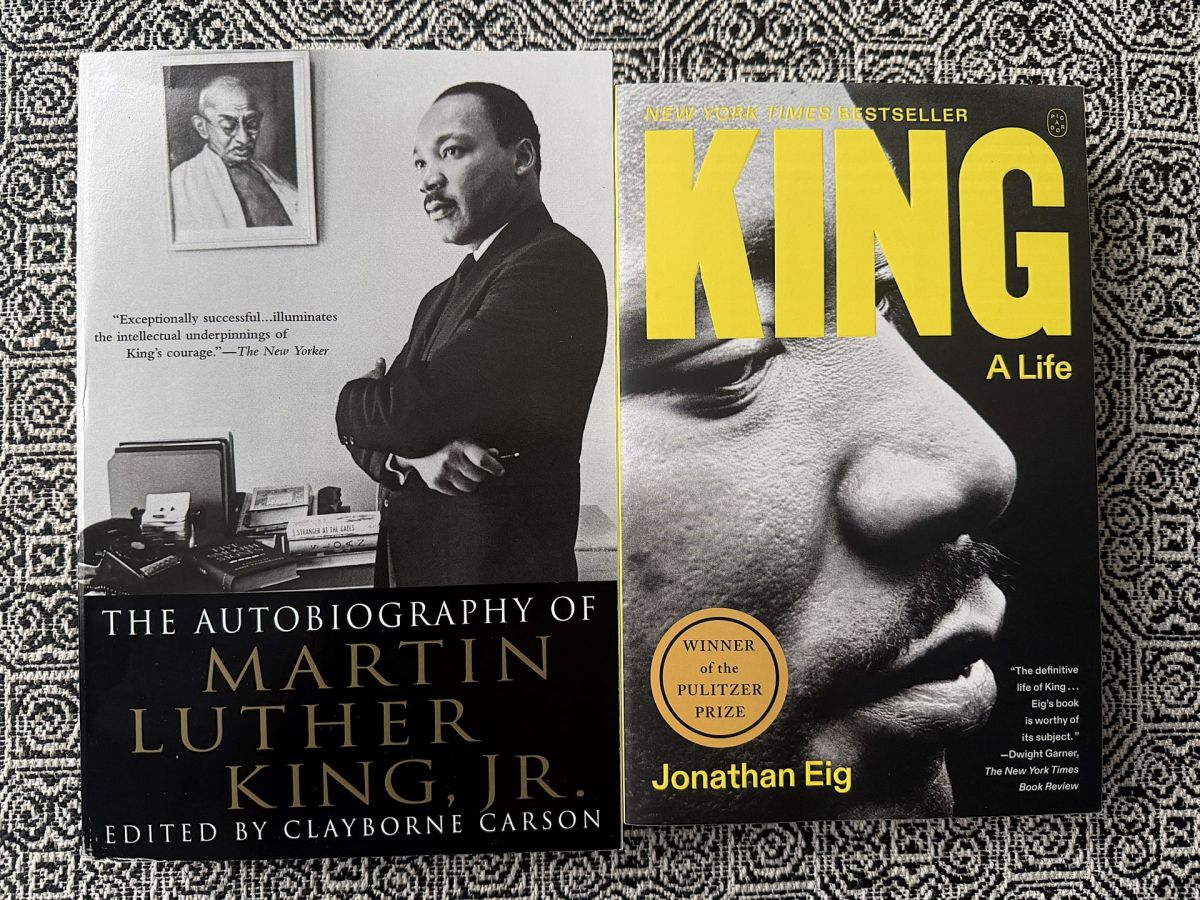
I’m just checking in to let you know I’m still reading Jonathan Eig’s biography of Dr. Martin Luther King Jr. I’m in the last section. I plan to read The Autobiography of MLK Jr., edited by Clayborne Carson next.

I’m not ready to share much right now in the way of my impressions other than to say that it’s at least as painful to read from an emotional standpoint as the other books by great authors I’ve read and which have prompted visits by invitation to The University of Iowa College of Medicine in the past to present the MLK Jr Distinguished Lectures:

“Our Hidden Conversations: What Americans Really Think About Race and Identity” by Michele Norris.

“Caste: The Origins of Our Discontents” by Isabel Wilkerson (who also wrote “The Warmth of Other Suns: The Epic Story of America’s Great Migration,” which won the Pulitzer Prize).

These are often riveting page turners but I need to take a break every so often because of the terrible events described.

Observations on Jonathan Eig’s Martin Luther King Distinguished Lecture

I discovered that the University of Iowa made a video presentation of Jonathan Eig’s speech for the Martin Luther King Distinguished Lecture on January 21, 2026. Mr. Eig wrote the MLK biography, “King: A Life” which was published in 2023. We just got a copy of it along with “The Autobiography Of MLK. We’re reading them now. We both watched the one-hour long video, which is available only in Panopto format to University of Iowa employees who could not attend the event in person.

He’s an engaging, humorous, and humble guy who spoke without using notes and ad libbed the entire talk which covered the most important events and people in King’s life including his wife and several other famous people in the civil rights era of the 1960s.

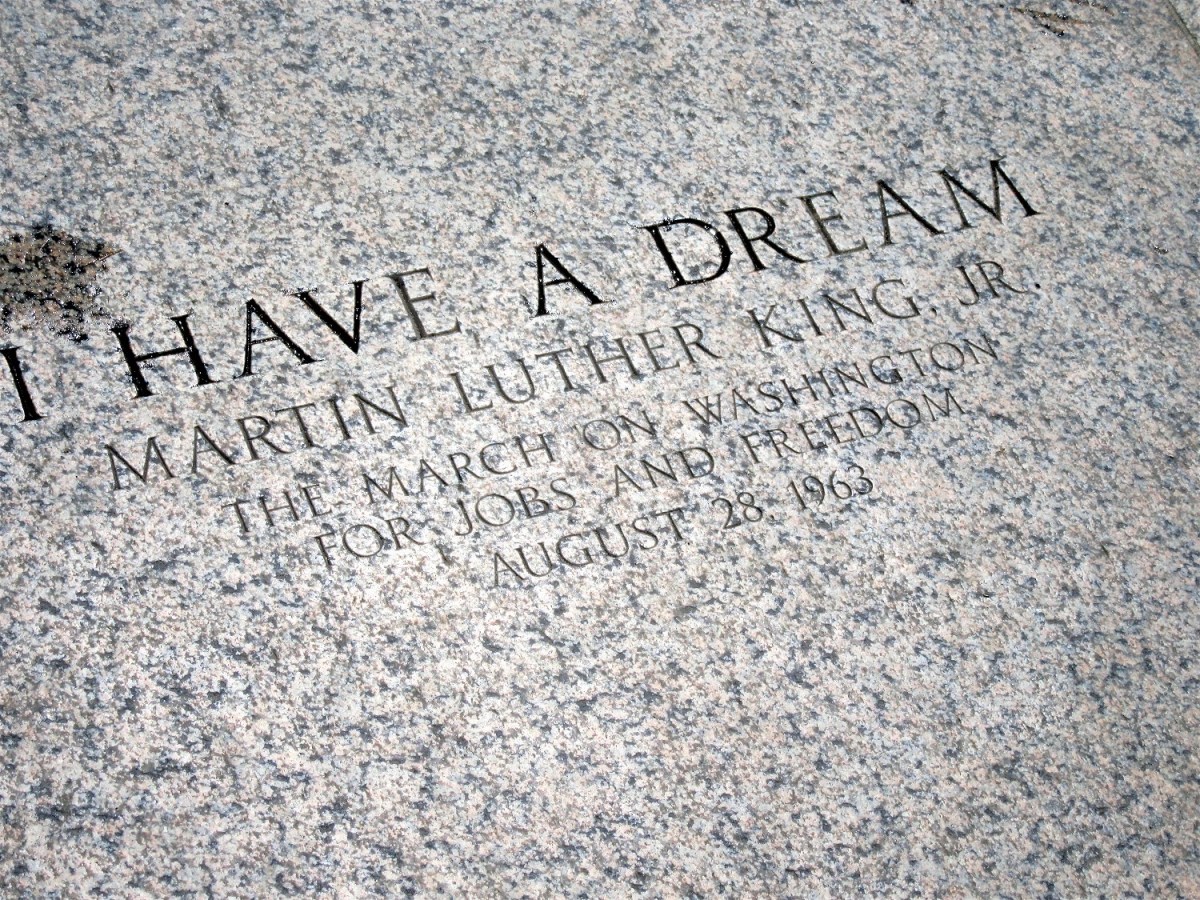
He had an interesting anecdote about the young National Park Service ranger, Gordon, “Gunny” Gundrum who adjusted King’s microphone repeatedly while he was giving his “I Have a Dream” speech in Washington in 1963. It was caught on camera and interpreted by some as an effort to interfere with the speech. In fact, it was because King was only 5’7” tall and his face was obscured by the microphone. Eig questioned him about it (yes, he was still alive) and at first Gundrum didn’t even recall doing it.

Sena wondered why Eig didn’t mention Rosa Parks in his presentation. In his book, he describes her refusal to take a back seat on a city bus as the catalyst for the Montgomery bus boycott, and her role in considerable detail.

On the other hand, Eig pointed out that King’s wife, Coretta, was the one who taught King about activism in the first place since she had been involved doing that before they ever met.

Eig mentioned that King has attempted suicide twice in his adolescence. On the other hand, even though I’m only partway through his book, I recall these were described early and involved being upset about his grandmother on a couple of occasions. One when his brother slid down a banister, hit his grandmother in the head and knocked her out cold. The other was when she actually died. He was not seriously injured in either incident. Eig also shared that King was psychiatrically hospitalized several times. Some suggested he undergo regular outpatient psychiatric treatment, but he declined because of the stigma.

One of his more moving anecdotes was about what King said just before he was gunned down at the Lorraine Motel in Memphis in 1968. King had stepped outside to get some fresh air. It was a cold and one member of his group suggested he go inside and get a jacket. King replied, “Yes, I will.” As he turned to do so, he was shot and killed. The way Eig framed King’s last words made you think of that statement as an affirmation of how he’d responded to the many challenges and demands in his life.

A Few Thoughts About the New Biography of Dr. Martin Luther King, “King: A Life”

I just learned today about the new biography of Dr. Martin Luther King, Jr. written by Jonathan Eig. It was published a couple of years ago and I found a lot of YouTube interviews of him. I didn’t look through hardly any of them and saw only one in its entirety, which is below.

Like many people, I was surprised by what Eig found out about Dr. King’s life. It’s pertinent for the upcoming observation of the upcoming MLK holiday. It’s probably not going to be without some controversy. No doubt, some might find it a bit cringeworthy at times. It’s noteworthy that he consulted many who were personally acquainted with Dr. King.

During Eig’s presentation, I was uncomfortably aware of never having read any of the biographies of Dr. King that have already been published, including his autobiography. I was stunned to hear that there has not been a new biography published since the early 1980s.

It’s probably high time I read one.