Iowa City Nature Challenge Begins!

The Iowa City Nature Challenge began on April 29, 2022. It’s sponsored by the University of Iowa Office of Sustainability and the Environment. According to their web site:

“From April 29th to May 2nd, find and photograph plants and animals in your backyard, in parks, along city streets, on school grounds—anywhere you find nature in Iowa City. Then, simply use the iNaturalist app to upload your photos and add them to the Iowa City project!”

It sounds fun. Read all the instructions carefully. This reminded me of my own amateur naturalist post back in 2019 about a toeless Mourning Dove.

Video Description from my YouTube post:

This is a rather sad little video about a Mourning Dove without toes who visited our back porch in early August 2018. The first slide is of a bird with normal feet, followed by several shots of the bird with abnormal feet.

There’s a slide with a bird seemingly sitting in its own poop, which is said by some to cause the problem–which is doubtful.

The last shot is that of a pair of doves trying to nest in our window box, which was full of sharp, plastic artificial plants, which was painful to watch and I wonder if their hazardous habits could lead to injuring their feet.

Speculation about the causes of these injuries range from something called string foot (string or human hair used to build nests getting wrapped around toes leading to amputation), sitting in poop leading to infections, and frostbite.

I think frostbite is plausible, and so did a birdwatcher named Nickell, who published an article about it over a half century ago; Nickell, W. P. (1964). “The Effects of Probable Frostbite on the Feet of Mourning Doves Wintering in Southern Michigan.” The Wilson Bulletin 76(1): 94-95, complete with hand-drawn illustrations that look exactly like the one in the video.

String foot is also plausible, but I’m reminded of an essay by E.B. White, Mr. Forbush’s Friends, White, E. B. (1966). “Annals of birdwatching: Mr. Forbush’s friends.” New Yorker. 42(1) or in White, E. B. (1999). Essays of E.B. White. New York, Harper Perennial, in which White recounts the book, Birds of Massachusetts and Other New England States by Edward Howe Forbush, in which you can read one of the many anecdotes from amateur ornithologists about bird behavior that Forbush collected for his book, which was published circa 1929:

“Mrs. Olive Thorne Miller. Reported case of female tufted titmouse stealing hair from gentleman in Ohio for use in nest building. Bird lit on gentleman’s head, seized a beakful, braced itself, jerked lock out, flew away, came back for more. Gentleman a bird lover, consented to give hair again. No date.”– Forbush, Edward Howe, 1858-1929. Birds of Massachusetts and Other New England States. [Norwood, Mass.: Printed by Berwick and Smith Company], 192529. I wonder why a bird would risk string foot by using hair in nests?

Lucky Spring Birds Are Back!

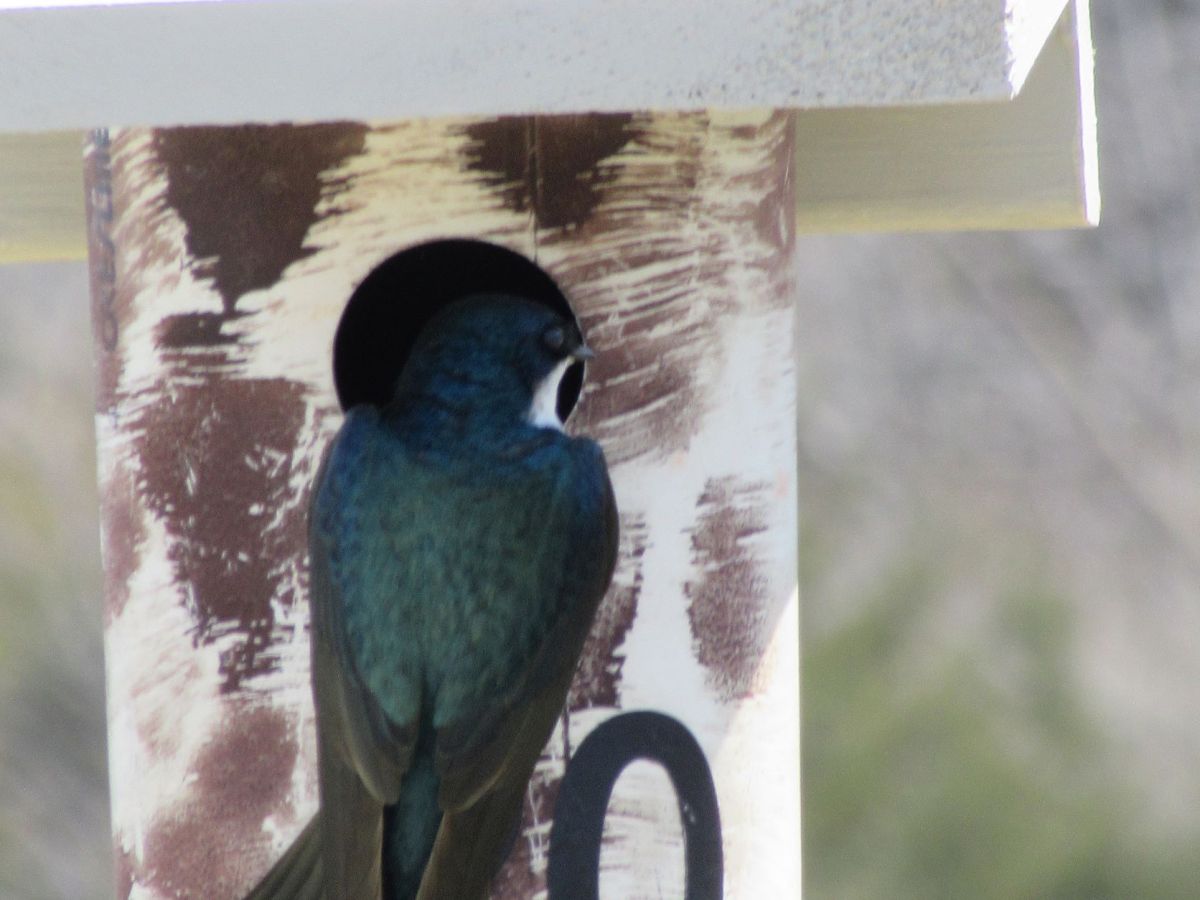
We finally got a sunny break yesterday and headed out to the Terry Trueblood Trail for a walk. It was good to stretch our legs. The spring birds are back. The Tree Swallow nest boxes are installed, although one of them was upside down. I’m not sure how that happens. A sparrow chased one of the swallows off, probably staking a claim on one of the nest boxes. Lucky break for the sparrow. Lucky for all that the nest boxes were available; unlucky if some are upside down, though.

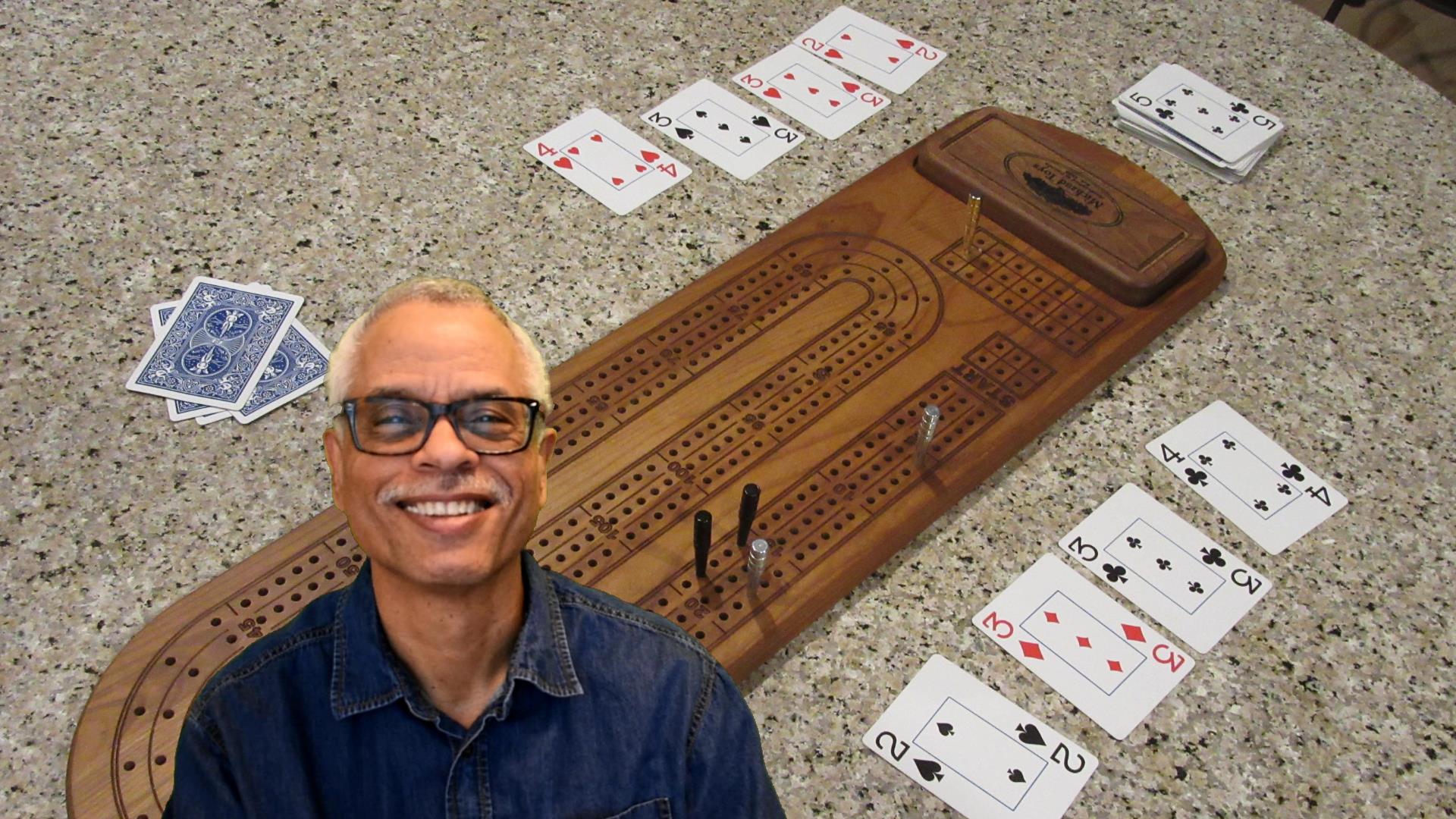
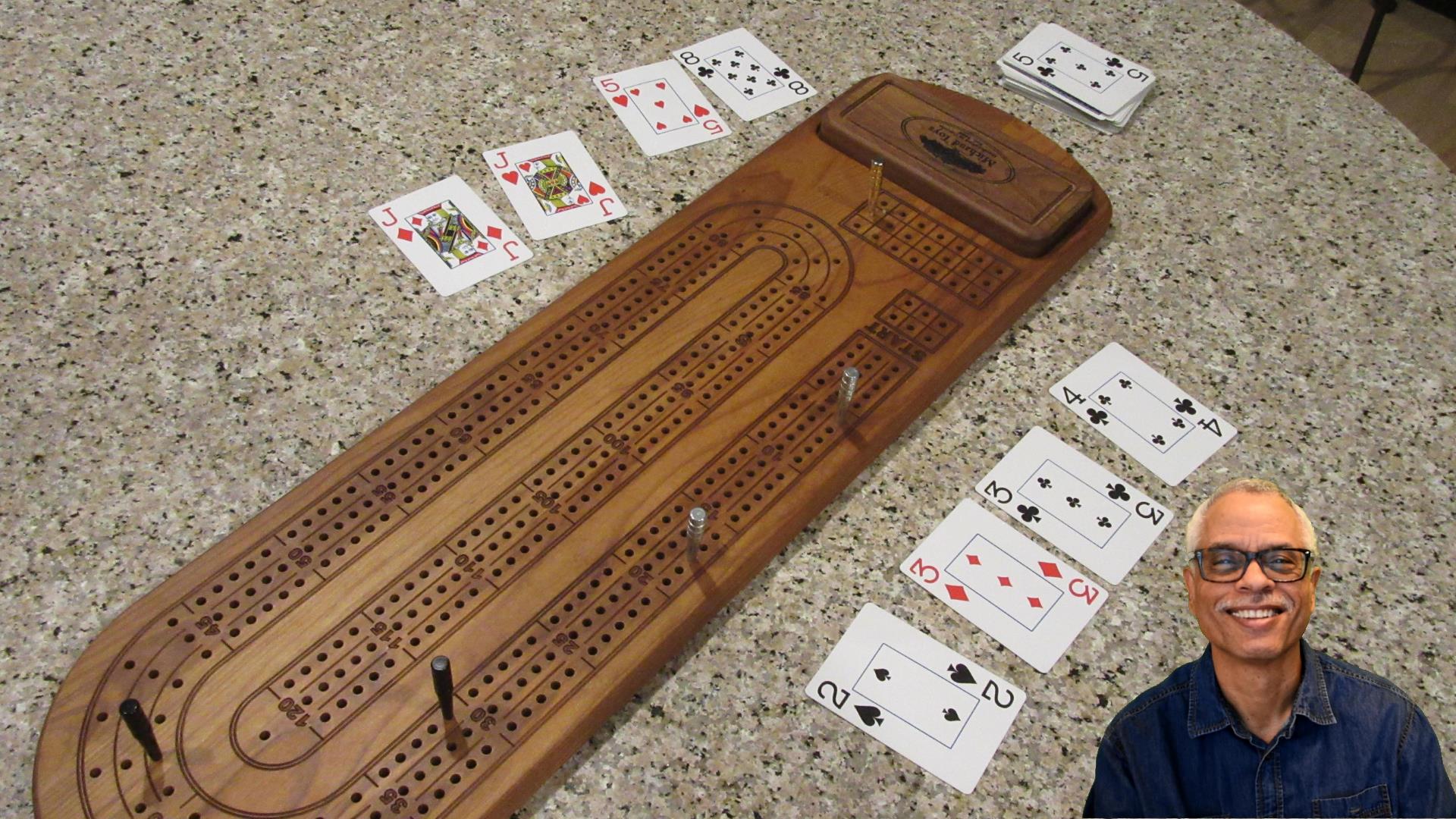
The great weather was a lucky break, actually. Rain is in the forecast for the next couple of days. Talk about luck. We both got lucky playing cribbage the other day. Sena got a double run of 2 through 5 counting the cut card—and so did I. We both got 12 points. I had the crib, and got 12 more. Neither of us can recall what we threw to my crib.

Luck is important in cribbage. An expert player, Frank Lake, once said that cribbage is 85% luck and 15% skill. Others back him up.

Some say it’s often better to be lucky than good.

Birds of a Different Feather

This is the first day of spring in 2022 and it was a beautiful day. We went for a walk on the Terry Trueblood Trail. There were a lot of people out—different ages, different colors, different shapes. Just about everyone was smiling.

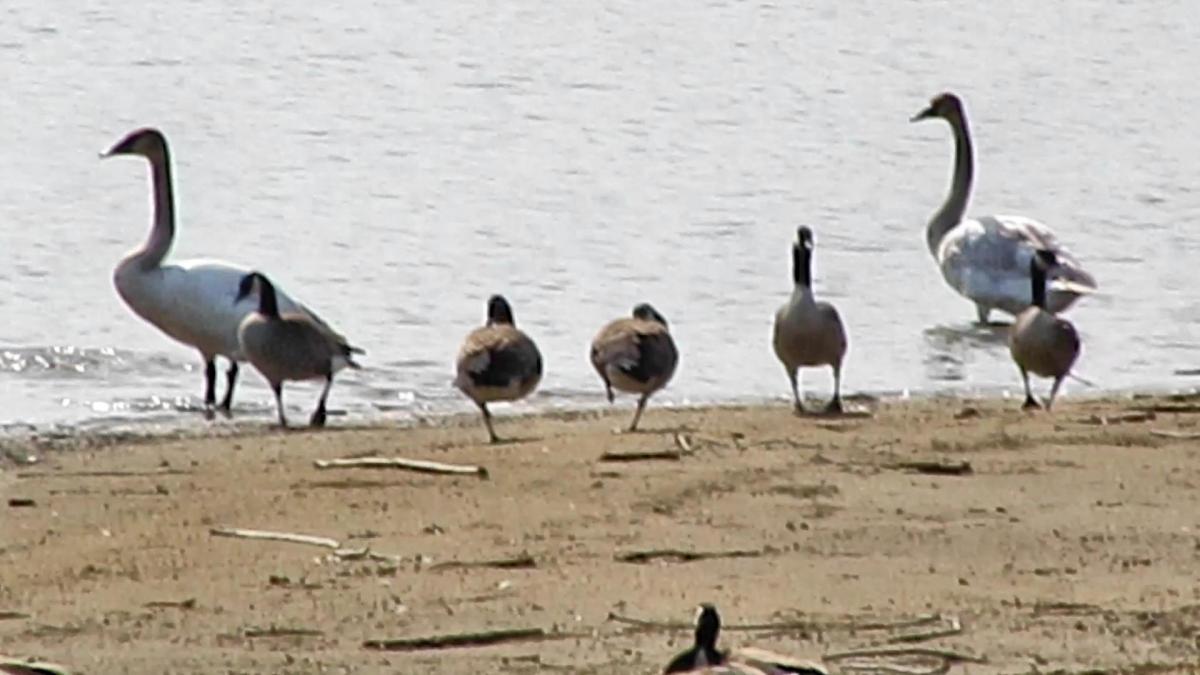
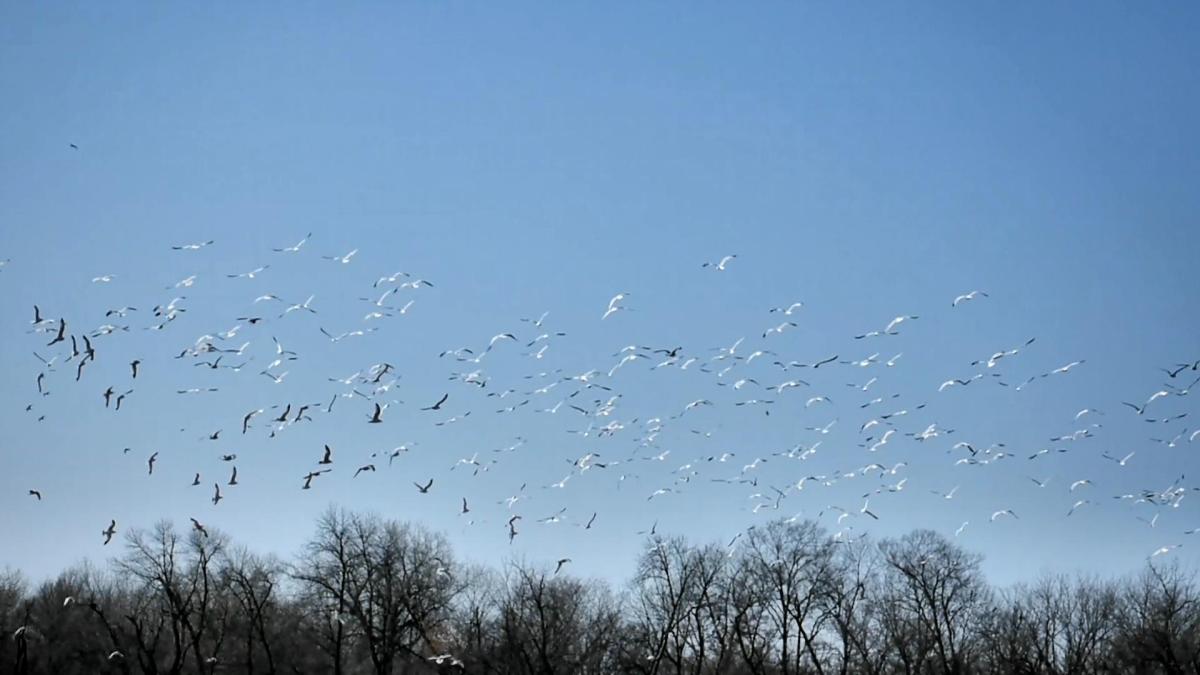
There were plenty of birds out too. In fact, we saw many different species of birds congregating together. Everybody knows the old saying, “Birds of a feather flock together.”

You know, it has been observed, not just by scientists I’m sure, that birds of different feathers hang out together too. Sometimes they’ll even fly in formation together, cooperating by staying about the same distance apart in V-formations, just as they would if they were all members of the same species.

It can happen.

The Park

It’s balmy for December. Sena and I went for a walk on the Terry Trueblood Trail and ran into our neighbors doing the same thing! Seabirds were diving headlong into the lake. We’ve never seen them do that. Maybe they were fishing for minnows. About a week ago we saw a hawk. It might have been a Cooper’s Hawk or a Sharp-Shinned Hawk. It had a yellow spot at the base of its bill, so I’m going to say it was a Cooper’s Hawk.

We also saw a small brown creature in the lake on a stack of tree limbs. It was eating something. I couldn’t see its tail, but it could have been a young beaver or a muskrat. Its nose tapered instead of looking blunt and boxy, so maybe it was a muskrat.

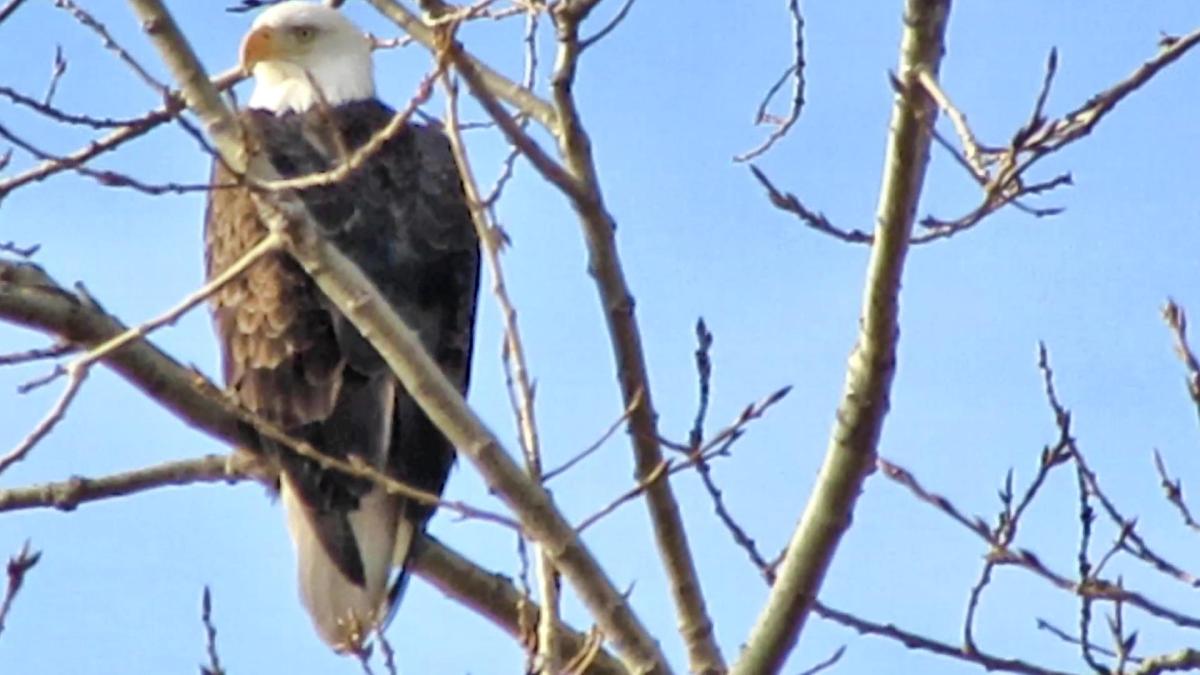
Last week a squirrel chattered at us almost nonstop. It was pretty grumpy for some reason. We sure know a bald eagle when we see one.

Sometimes it’s more fun to enjoy a little mystery than to hunt for all the right answers.

Common Trekkie Birds

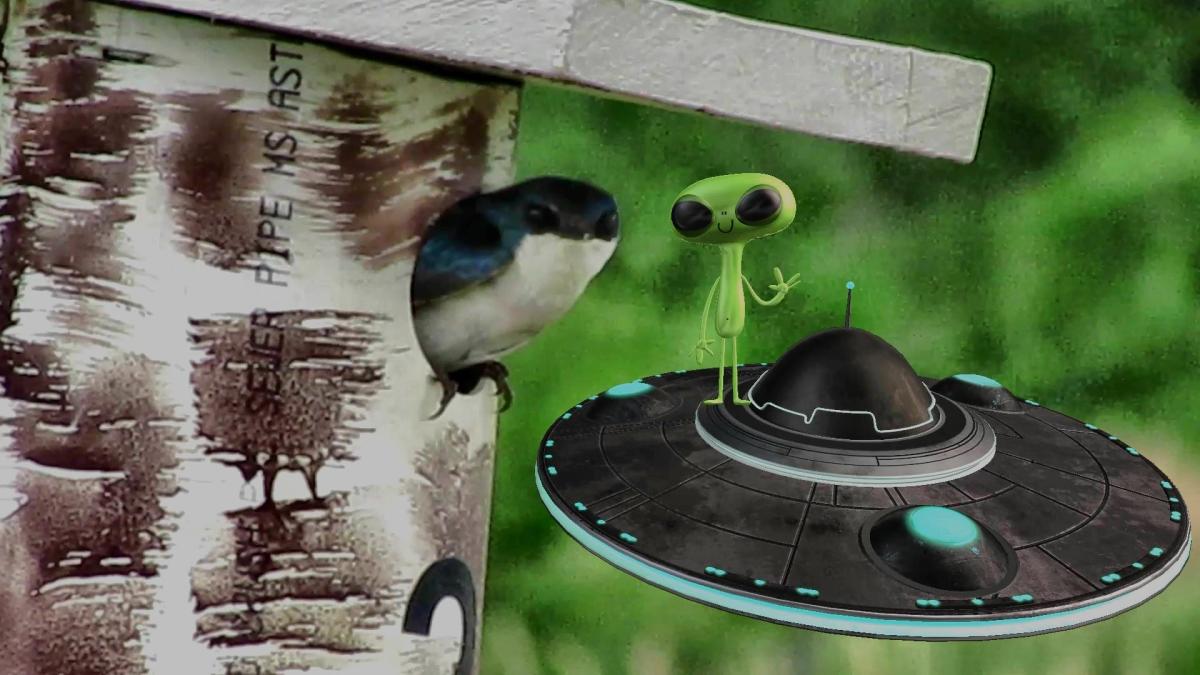
We took a walk on the Terry Trueblood Trail yesterday and were struck by a goggle-eyed looking Tree Swallow, which was caused by the angle of the sunlight and the shot direction—we think. It reminded us of a big-eyed alien.

Partly because I’m kind of a Star Trek fan, I think many common birds have fascinating features which can make them seem almost alien. For example, the Common Yellowthroat has a weird call, which one author has described as “witchity-witchity-wichity-witchity” (Birds of Iowa: Field Guide by Stan Tekiela). We just managed to catch it–the bird’s call, not the bird.

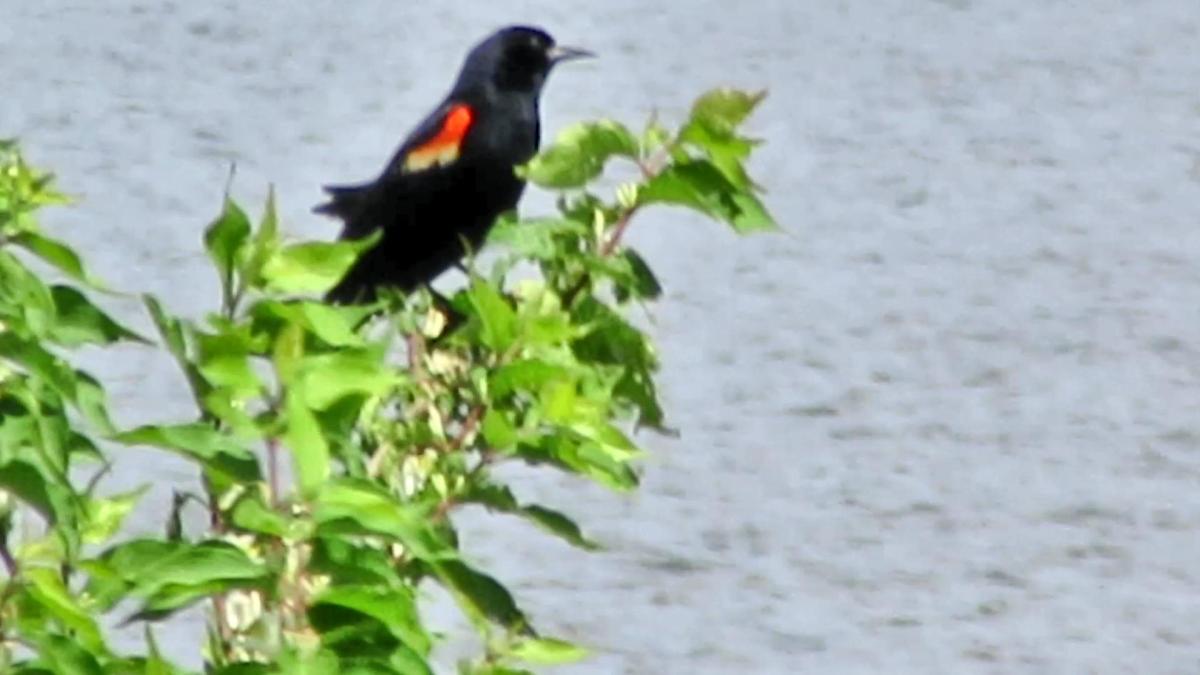
The Eastern Kingbird is well known for its Klingon-like aggression. The Red-wing Blackbirds tend to dive bomb you if you get too close to their nest.

It was good to get outside. There are a lot of people who get credited with the quote “Keep looking up.” The one I remember is Jack Horkheimer, who used to host the public TV show Star Gazer.

Keep looking up.

Easter Nest Hunt

Yesterday we drove over to see James Alan McPherson Park, and it was filled with people who were having a great time. Because it was crowded (partly because of the Easter weekend), we went to Terry Trueblood Recreation Area, where we typically go for walks. We’ll return to James Alan McPherson Park on a weekday. Ironically, the larger park seemed less busy than the much smaller one.

There seemed to be more birds than people out. They were out hunting for places to build nests. There are plenty of Tree Swallow nest boxes spaced at wide intervals around the trail. Competition was keen for them, or so it looked. It reminded me of house hunting humans.

Camping in Our Basement: Week 2

It’s week 2 of camping out in our basement because our wood floors underwent sanding and resealing. Today, the workers finished up and the floors look great.

But we still can’t move back upstairs because that would ruin the finish just applied on the floors. The final coat went on last Friday. It’ll be this coming Friday before we can move furniture back. We can’t even walk on them unless we’re in stocking feet. We have not mastered the art of levitation, which, incidentally, you can learn at the Maharishi International University in Fairfield, Iowa. Well, maybe that’s more like butt-hopping, otherwise known as yogic flying.

The views from our downstairs windows display the back yard, which has been full of birds feasting on the berries on the trees out there. I think those are Winterberry trees. The deer munch on the leaves. Blue jays, it turns out, save nuts and berries for later by hiding them under leaves.

So, we’re still in the basement, sleeping on the air mattresses. It’s pretty much like sleeping on the floor. We’ve discovered there’s a trick to getting in and out of them, since they’re only 12 inches high. I call it “roll in and roll out.” At first, I noticed that my calves were pretty sore after the first night. It turns out it was because I was trying to get off the air mattress the same way I get out of our regular bed. Because I swung my feet out first and tried to stand, it was like trying to do major squat exercises. I usually just sat back down pretty hard. It’s a lot like yogic flying.

Now I roll out on my hands and knees, which makes it easier to gather my legs under me and get on my feet. Getting into the air mattress is just the reverse.

I suppose we could have avoided these gymnastics by buying a queen size air mattress. It’s more the height of a regular bed—but that would have cost hundreds of dollars, believe it or not. Sena bought ours for a fraction of the price.

It’s good to be frugal.

Wind and Wings

A couple of days ago we were at the Terry Trueblood Recreation Area and it was pretty windy. The birds were challenged just hanging on in the trees. Eastern Kingbirds didn’t hardly ruffle a feather. The Tree Swallows seemed to be pretty good acrobats high up in the trees. The Cowbirds, not so much.

Birds getting their feathers ruffled in the wind!

Let Nature Speak

While we were out for a walk on the Terry Trueblood Trail today, for a change, my wife gave me the idea that we should just let nature speak. The frogs were in full voice. It was impressive. As we walk, we usually start off by talking a lot. We point out interesting birds and flowers and comment on all we see and hear. The further we go on the trail, the quieter we get. Pretty soon, we don’t talk much at all. We walk at a slower pace. We just listen.

Usually, after we return home, I make a video and try to match it with some kind of music. Nature has its own music, though. Today, we just let that happen.

Mother’s Day for a Robin

Happy Mother’s Day! The blog post for today is a little unusual because it’s about a “mother” robin who built a nest on April 9, 2019 and is still sitting on it as of today. It’s unusual because she’s been sitting on the nest for at least a couple of weeks now even though there have been no eggs in it. We can’t figure why she’s sitting on an empty nest.

Things got started relatively well. In fact, after building the usual sloppy nest, the mother robin laid two eggs in it. That was the largest number of eggs we ever saw. The number went down from two eggs to one to none over a couple of days or so.

“And then there were none.” I never read Agatha Christie’s book by the same name or saw the TV miniseries on which it was based several years ago. On the other hand, death played a role—a natural one—in the case of the very devoted mother robin.

The robins built their nest in an evergreen tree right below one of our windows. What was nice about that was that I never had to creep up on them, see them thunder out of the tree, mess with the branches around the nest, snap photos—and leave a scent trail for large predatory birds.

Now, speaking of predatory birds…I never saw any of them this time. I know last year I heard a heavy flapping noise (like bedsheets on a clothesline) outside of my office window and opened the blinds just in time to see a huge crow or turkey vulture take off from our front yard tree. Its beak was full of house finch nestlings. I swore I would never again engage in monitoring bird nests in that way.

This time there was only circumstantial evidence of nest robbery. My wife saw broken egg shells on the ground under the tree but it’s not clear exactly when she saw that.

But mother robin still sits on the nest. I have not been able to find any information about this behavior in nesting birds.

It’s not that birds never display odd nesting behavior. One of E.B. White’s essays, “Mr. Forbush’s Friends,” published in the Essays of E.B. White (White, E. B. (1977). Essays of E.B. White. New York [etc.: Harper and Row), describes a great number of these peculiar behaviors. One quote: “Had pair of Carolina wrens build nest in basket containing sticks of dynamite. No untoward results.”

I did wonder why our mother robin built a nest so visible from the sky. That was as bad as building a nest in a basket of dynamite. I know we have a tendency to anthropomorphize animal behavior, but I’m having trouble explaining this mother robin’s persistence in sitting on an empty nest. There are no new eggs; yet she acts as if eggs are there. Is she grieving? Is she hallucinating? How long will this go on?

Maybe some of you know what this is all about and I welcome your comments. Until then, it looks like for this robin, Mother’s Day is endless.