The Visible Flame

I began rereading the book Invisible Man by Ralph Ellison today, which is Leap Day. Given what little I know about Leap Day and Leap Year in general, there isn’t a connection.

I first read Invisible Man well over 40 years ago. It was a paperback and I took it with me to Huston-Tillotson College in Austin, Texas (now Huston-Tillotson University), one of the historically black colleges and universities (HBCUs) in the United States.

It was very hot in Austin in my freshman year and the students didn’t have air-conditioned dormitories in those days. It must have been over 90 degrees. The glue melted on most of my paperback books, including Invisible Man. I suppose that’s why I eventually threw the book away, because it was falling apart.

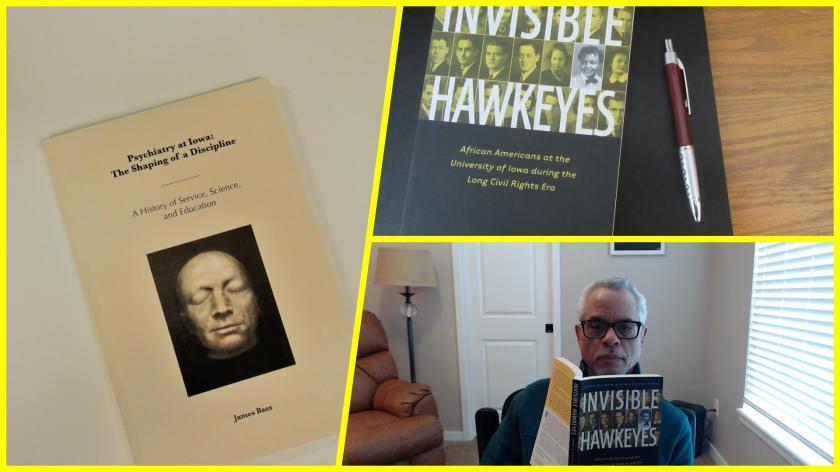
After all these years, I bought a hardcover edition. We have air-conditioning now. I was motivated to read it again after I read Invisible Hawkeyes: African Americans at the University of Iowa during the Long Civil Rights Era, edited by Lena M. Hill and Michael D. Hill. See my blog posts, Milestones, and The Iowa River Landing Sculpture Walk, for background.

When I was a young man, I identified with the protagonist in Invisible Man. The Prologue still strikes a chord.

On the other hand, I googled my name today and found a few links that made me feel less invisible. Probably the most surprising link was to an interview with me entitled “James Amos, MD,” which you can read here. The piece evoked memories of a past version of me—which has not changed much since then. It mentions my former blog The Practical Psychosomaticist which I later renamed The Practical C-L Psychiatrist (C-L stands for Consultation-Liaison) after the flagship organization, the Academy of Psychosomatic Medicine changed its name to the Academy of C-L Psychiatry in response to a poll of its membership asking whether the name should be changed.

This biography makes me more visible, at least on the web. On the other hand, the blog no longer exists, due in part from my concerns about the General Data Protection Regulation (GDPR), which was enforced in 2018. I posted a lot of educational material about C-L Psychiatry on the blog along with pictures and presentations of my trainees. In a way, I did not protect their privacy and I was uncomfortable about that.

Other web pages surfaced during my self-googling. They included my article on delirium, “Psychiatrists Can Help Prevent Delirium,” posted on Psychiatric Times in 2011.

I also found my blog post on physician burnout, “How I left the walking dead for the walking dead meditation,” published on the Gold Foundation web site in 2014.

And there was my other Gold Foundation post about rude doctors, “Are doctors rude? An insider’s view,” posted in 2013.

There are a couple of petitions left over from years ago as well, about the controversial Maintenance of Certification (MOC) and the closure of state mental hospitals in Iowa several years ago.

I also found my review of Dr. Jenny Lind Porter’s book, The Lantern of Diogenes and Other Poems (published 1954).

The book seller’s note to me when Porter’s book was delivered in 2011 read as follows:

“Thanks for your purchase! It’s rare to find a book of this age that when you open the pages, it creaks like it is unread. I guess someone liked the way it looked on their bookshelf! Haha! Enjoy the book and Happy New Year, Rob J.”

An unread author is an invisible author. The first poem in the book is below:

The Lantern of Diogenes

by Jenny Lind Porter

All maturation has a root in quest.

How long thy wick has burned, Diogenes!

I see thy lantern bobbing in unrest

When others sit with babes upon their knees

Unconscious of the twilight or the storm,

Along the streets of Athens, glimmering strange,

Thine eyes upon the one thing keeps thee warm

In all this world of tempest and of change.

Along the pavestones of Florentian town

I see the shadows cower at thy flare,

In Rome and Paris; in an Oxford gown,

Men’s laughter could not shake the anxious care

Which had preserved thy lantern. May it be

That something of thy spirit burns in me!

Dr. Porter’s house in Austin, Texas was demolished a few years ago. There were plans to build a house there reminiscent of the architectural style of her original home and also a remembrance of her published work. I just noticed a satellite image of the property. There is no visible evidence that anything of that nature was ever built. Dr. Porter is, in a sense, invisible although her lantern still burns.

Visibility is a relative term. My advancing age and approaching retirement sometimes lead me to feel like I’m becoming invisible, gradually vanishing from the landscape of consultation-liaison psychiatry and general medicine.

Ralph Ellison’s book Invisible Man is a visible legacy. My legacy is small—yet the flame flickers, visible after all.

Jumbo Cribbage Board Antics

Well, Sena and I played the official inaugural cribbage game on our new Jumbo Crib board from Ontario. That was a belated Valentine Day’s gift for us which Sena is only too happy to remind me about; but that’s OK, I deserve a little ribbing. You can get a sample of that from watching the video.

We have to stretch a bit more to reach across the table and the 8-inch-wide board. That’s good exercise. The 2-inch-tall pegs have a pleasing heft to them.

Making the video for our cribbage games is a big challenge. I think one of the best reasons for doing it is that we learn from our mistakes by watching them. We’re still rookies. It took us all day just to shoot a decent video—although it was fun to play. I’m pretty sure players out there will spot errors. Let us know what they are!

I just happened to come across an old newspaper article about a guy named Frank Lake who was a Grand Champion level player years ago. When the journalist interviewed him, he was around 83 years old—that was in 2005. Frank said that cribbage is “85% luck and 15% smarts.”

We think there has got to be more skill involved than that. Somebody once said that cribbage is a game which takes a few minutes to learn but a lifetime to master. At my rate, it’ll take more years than I have left in my lifetime just to learn.

Each game is different. In a two-hander, each player gets only 6 cards. The non-dealer ends up with only 4 after dropping two into the dealer’s crib. We take about 30 minutes to play a game, which is about half the time we took when we first started playing. I’ve read that you really can’t expect to play at the tournament level unless you can finish a game in 15 minutes. I doubt we’ll ever get there.

The Jumbo is the fourth cribbage board in our small collection. Frank Lake accumulated quite a few cribbage boards in his career, some of them trophies. I think he owned a collection of around twenty of them. One of them was in the shape of the state of Oregon. Hmmm…

The Geezer is Redeemed

Well, as far as this tardy Valentine’s Day gift is concerned, the Geezer is redeemed. The answer to the riddle in the 2/18/2020 post “I’m Late for Valentine’s Day” is a new Jumbo cribbage board (the Jumbo Crib).

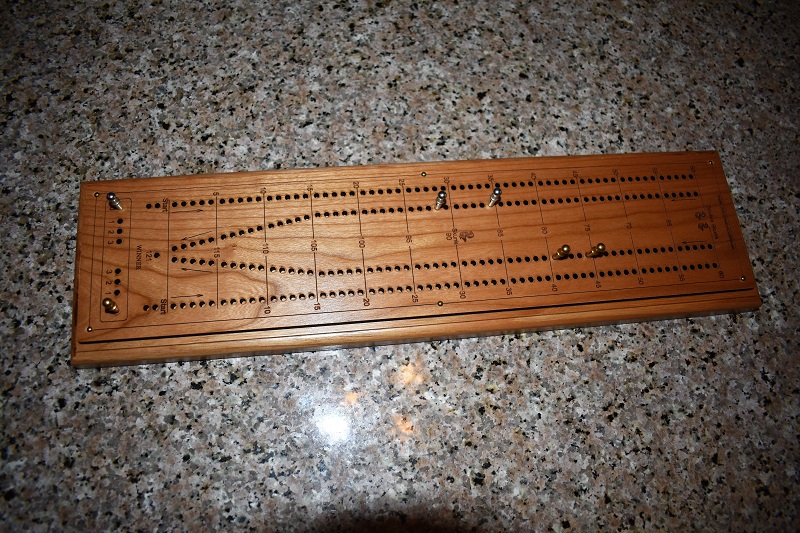
This is the gift I forgot to order for our Valentine’s Day, which was a Canadian Hard Maple cribbage board. It arrived today from Ontario. It was shipped only this past Tuesday, so we were pleasantly surprised (almost shocked) that it arrived so quickly. It’s really big compared to our other cribbage boards.

The clues in the post a couple of days included a picture of us in rain gear at Niagara Falls, taken about 5 years ago. The picture of a bed of flowers in the shape of a Maple leaf with a bunch of falling Maple leaves was taken in Canada, just across the border.

Sena keeps telling me that she told me to order the board, but I honestly don’t remember her telling me that.

The board is made by Michaud Toys, a small, family-owned craft shop in Ontario not that far from the Niagara area. They are well-known for making excellent wooden toys, games, and puzzle boxes. They believe in family game night, which for me and Sena is almost every night.

I ordered it on Valentine’s Day, which was just last Friday. It shipped the very next Tuesday and we got it this morning.

It came with a nice storage bag, some metal pegs (2 inches long), a deck of cards, and a set of very accurate rules. It’s 27 ½” long and 8” wide. It’s great fun to play on.

Wow!

It has a handy little cubby on the board which can hold the card deck, pegs, and rule booklet. This is covered by a cap which fits snugly over the hole and is secured by “powerful rare earth magnets.” They work. I can turn the board upside down and shake it—nothing pops out.

Jumbo Crib stuff

The rare earth magnets remind me of the 1970s soul music band, Rare Earth. I went to one of their concerts when I was a teenager and it was so loud that I think I suffered some mild but permanent hearing loss.

Maybe that’s why I didn’t hear Sena when she told me to order the cribbage board. Anyway, we’re celebrating!

I’m Late for Valentine’s Day

I’m a little late for Valentine’s Day, but you could give me a break because I’ve been a little busy being retired. Don’t throw things at me because I’m getting too old to duck. And I did get my wife a card, flowers, and some candy on time.

It was something else I forgot. It’ll take a few days before I can tell you what it was.

We made a Valentine’s Day wish by breaking a chicken wishbone the other day. I believe that was before Valentine’s Day. In fact, it was about a week prior.

I don’t know if there are any rules about how to you’re supposed to hold the wishbone. Some will probably say our technique was poor when they see the video.

I think if you talk about what you wish for, you’re liable to break the spell and you won’t get what you wish for. I believe you’re allowed to hint, though. Pay close attention to the video.

Happy late Valentine’s Day!

Milestones

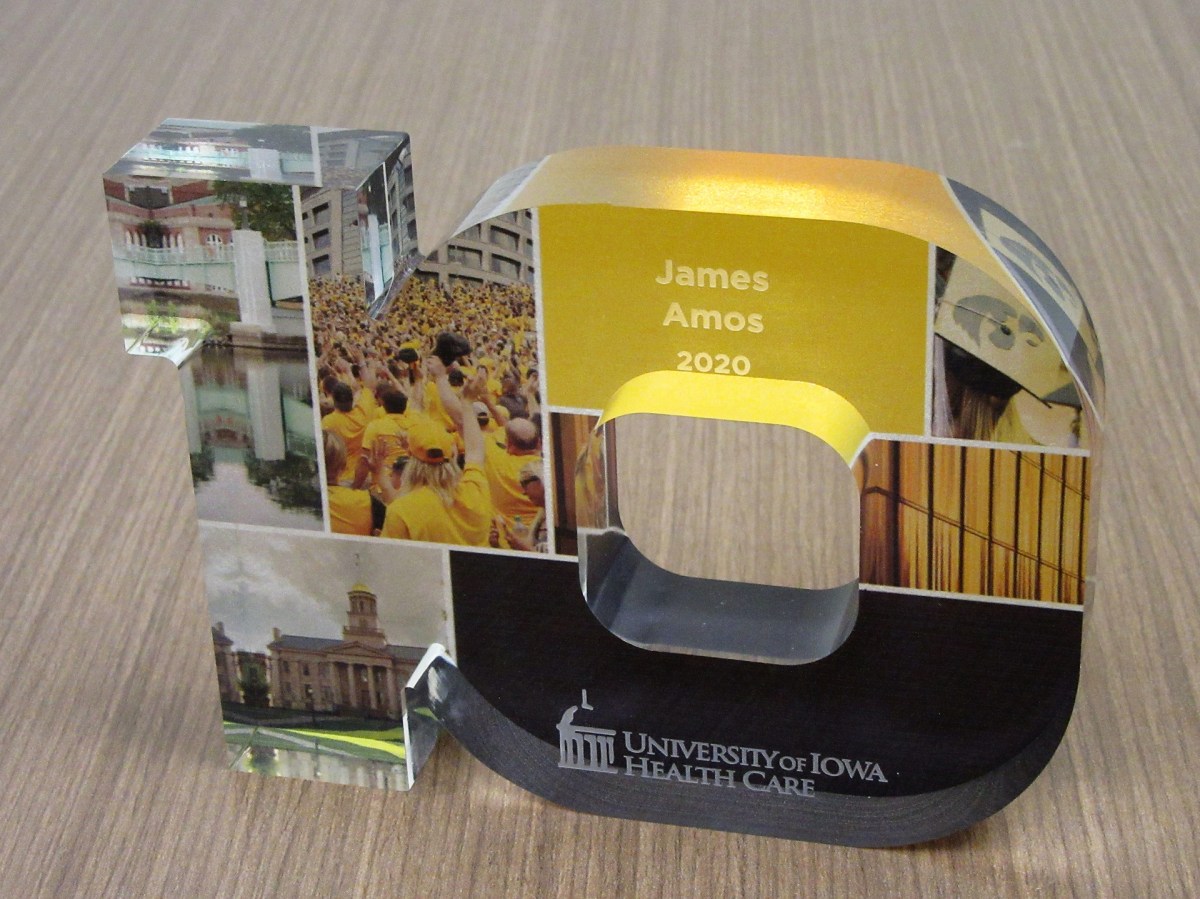
I got a nice, if puzzling surprise today. At a faculty meeting I was recognized for my 10-year anniversary of service at our hospital. It’s an important milestone, even if it is wrong. They scheduled this small event a couple of months ago, but I was too busy on the psychiatry consult service to break away. I also usually carry the pager for the trainees during the noon hour when the faculty meetings are held.

The 10-year anniversary recognition was very kind—except that I’ve been here for twenty odd years, not counting residency and medical school.

In all fairness, my department knows that and we shared a few jokes about it. I guess I should clarify that I have left the university for private practice a couple of times, which interrupts the years of service recognition timelines.

I was gone both times for a total of less than 12 months—just sayin’. I returned for a few reasons, although mainly because I missed teaching.

Anyway, I showed up at the faculty meeting, albeit a little guilty looking because I’m usually too busy to attend. My department chair arrived and said that she had to run back to get my “statue.”

That jarred me. Several years ago, when I had my first blog, The Practical Consultation-Liaison (C-L) Psychiatrist, I used to kid my readers that someday a statue of me would be erected in the university Quad. It would be made of Play-Doh.

And that’s why I asked her as she turned to leave, “Is it made of Play-Doh?” She looked puzzled and I didn’t really think I could explain in a way that wouldn’t make me look like I’d been smoking something illegal.

The “statue” is a handsome little sculpture of the number 10, standing for 10 years of service. It has color photos embedded in it of various aspects of academic life at the University of Iowa, many of which I’ve had the privilege of enjoying in the 30 odd years my wife, Sena, and I have been in Iowa City.

Just before the meeting, I had walked up to the 8th floor (I always take the stairs) to the psychiatry department offices to see if I could get a copy of the recently published history of the department, Psychiatry at Iowa: The Shaping of a Discipline: A History of Service, Science, and Education, written by James Bass.

Mr. Bass interviewed many people in the department, including me. I didn’t expect that my perspective on the consultation service, the clinical track, or my race would even get mentioned. However, 2 out of 3 made it into print.

It didn’t really surprise me that my being African American was not mentioned. I think I’m probably the only African American faculty member of the department in its 100-year history, at least until very recently.

It reminded me of another book that I just acquired, Invisible Hawkeyes: African Americans at the University of Iowa during the Long Civil Rights Era, edited by Lena M. Hill and Michael D. Hill.

In a small way, I’m making the invisible visible.

Making the invisible visible

And also, because it’s great for my ego, I’m going to quote what Bass wrote about me in Chapter 5, The New Path of George Winokur, 1971-1990:

“If in Iowa’s Department of Psychiatry there is an essential example of the consultation-liaison psychiatrist, it would be Dr. James Amos. A true in-the-trenches clinician and teacher, Amos’s potential was first spotted by George Winokur and then cultivated by Winokur’s successor, Bob Robinson. Robinson initially sought a research gene in Amos, but, as Amos would be the first to state, clinical work—not research—would be Amos’s true calling. With Russell Noyes, before Noyes’ retirement in 2002, Amos ran the UIHC psychiatry consultation service and then continued on, heroically serving an 811-bed hospital. In 2010 he would edit a book with Robinson entitled Psychosomatic Medicine: An Introduction to Consultation-Liaison Psychiatry.” (Bass, J. (2019). Psychiatry at Iowa: A History of Service, Science, and Education. Iowa City, Iowa, The University of Iowa Department of Psychiatry).

In chapter 6 (Robert G. Robinson and the Widening of Basic Science, 1990-2011), he mentions my name in the context of being one of the first clinical track faculty in the department. In some ways, breaking ground as a clinical track faculty was probably harder than being the only African American faculty member in the department.

As retirement approaches this coming June, I look back at what others and I worked together to accomplish within consultation-liaison psychiatry. The challenges were best described by a former President of the Academy of Consultation-Liaison Psychiatry, Thomas Hackett (this quote I helped find for James Bass and anyone can view it on the Internet Archive):

“A distinction must be made between a consultation service and a consultation liaison service.  A consultation service is a rescue squad.  It responds to requests from other services for help with the diagnosis, treatment, or disposition of perplexing patients.  At worst, consultation work is nothing more than a brief foray into the territory of another service, usually ending with a note written in the chart outlining a plan of action.  The actual intervention is left to the consultee.  Like a volunteer firefighter, a consultant puts out the blaze and then returns home.  Like a volunteer fire brigade, a consultation service seldom has the time or manpower to set up fire prevention programs or to educate the citizenry about fireproofing.  A consultation service is the most common type of psychiatric-medical interface found in departments of psychiatry around the United States today.

A liaison service requires manpower, money, and motivation.  Sufficient personnel are necessary to allow the psychiatric consultant time to perform services other than simply interviewing troublesome patients in the area assigned.  He must be able to attend rounds, discuss patients individually with house officers, and hold teaching sessions for nurses. Liaison work is further distinguished from consultation activity in that patients are seen at the discretion of the psychiatric consultant as well as the referring physician.  Because the consultant attends social service rounds with the house officers, he is able to spot potential psychiatric problems.”— Hackett, T. P., MD (1978). Beginnings: liaison psychiatry in a general hospital. Massachusetts General Hospital: Handbook of general hospital psychiatry. T. P. Hackett, MD and N. H. Cassem, MD. St. Louis, Missouri, The C.V. Mosby Company: 1-14.

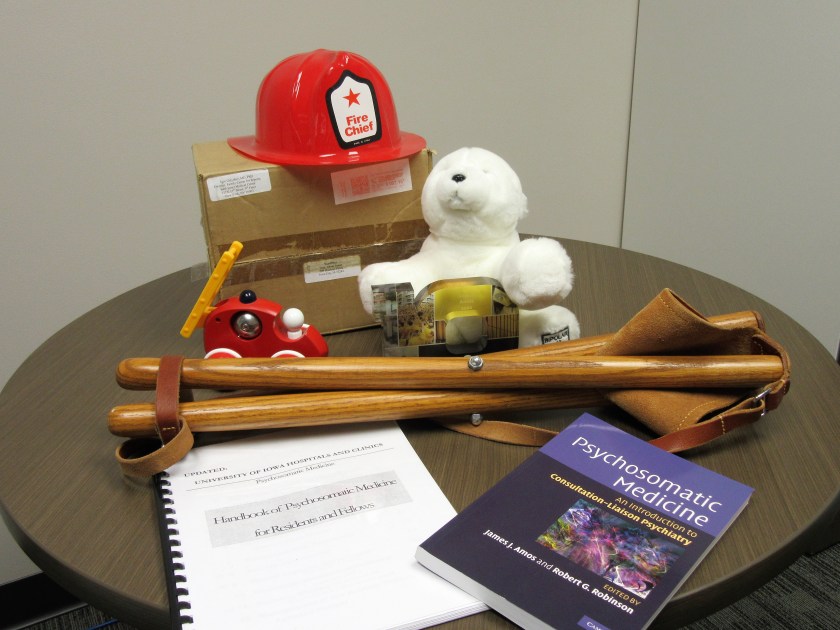
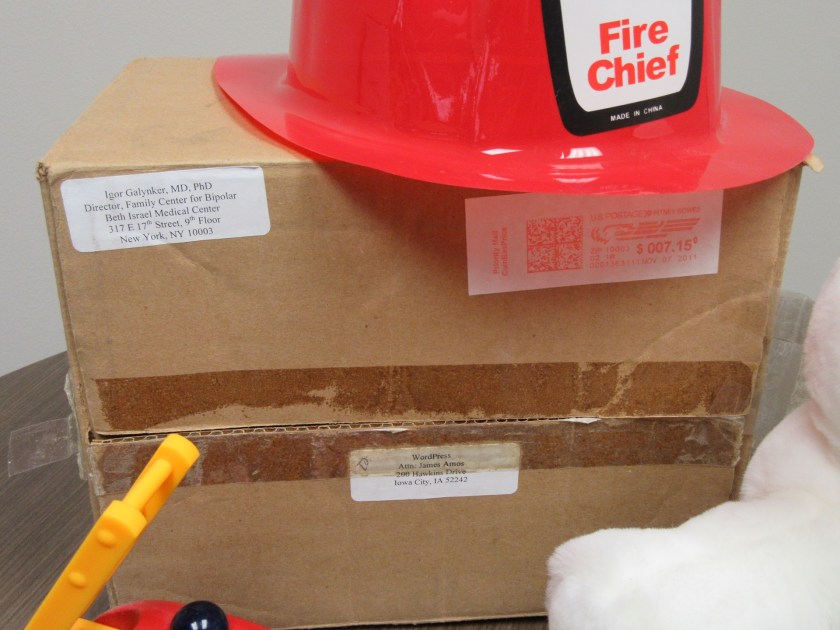
I have what seems like precious few mementos of my sojourn here in the department and, indeed, on this earth. I have a toy fireman’s helmet I found hanging in a plastic sack on my office doorknob one day. It was a gift from a Family Medicine resident who rotated on the consult service and who learned why I called it a fire brigade.

For the same reason, I have a toy fire truck, sent to me by a New York psychoanalyst who was also a blogger.

I have Bumpy the Bipolar Bear, believe or not, sent to me by psychiatrist, Dr. Igor Galynker, about whose emergency room suicide risk assessment method I had blogged about several years ago. C-L psychiatrists do a lot of suicide risk assessments in the hospital and the clinics. I still have the box with the address to me:

WordPress

Attn: James Amos

200 Hawkins Drive

Iowa City, IA 52242

I have my first homemade handbook for C-L Psychiatry and the published handbook that eventually replaced it. Thank goodness the leaders of the Academy of Consultation-Liaison Psychiatry listened to the membership and changed the name from Psychosomatic Medicine to C-L Psychiatry.

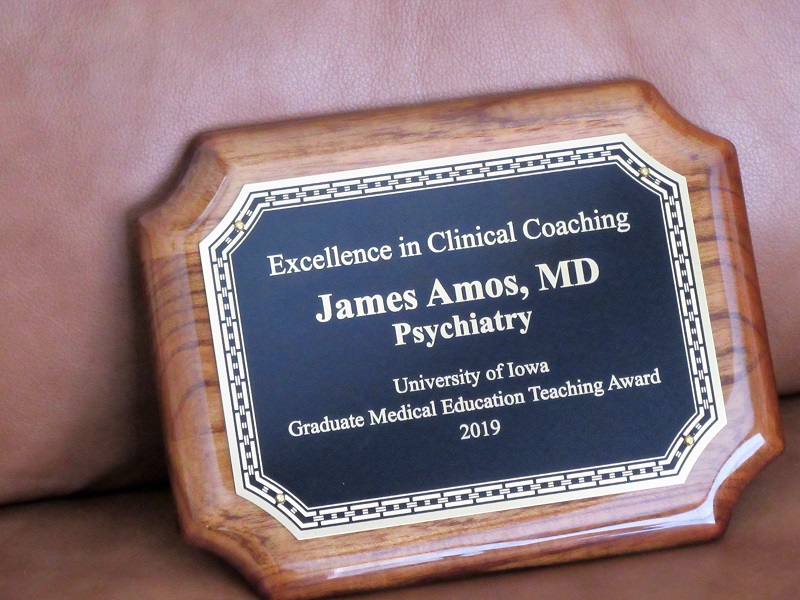
I have an award for being an excellent clinical coach.

And I have my little camp stool, which a colleague who is a surgeon and emergency medicine physician gave me and which allows me to sit with my patients anywhere in the hospital, so that I don’t have to stand over them.

It will all fit in a cardboard box on my last day—the next milestone.

29 Cribbage Board Antics

After a lot of encouragement from Sena, we got the 29-cribbage board. It’s a novelty board shaped like the very rare perfect 29 cribbage hand. You’re more likely to spot aliens in your back yard than to get a 29 hand—the odds are 1 in 216,580. See our 29 cribbage board antics in our YouTube video.

This is a follow up cribbage post, the most recent one being “Kitchen Table Cribbage” featuring our other new board, which was a v-tournament model.

We have a lot of fun playing cribbage and making the videos are a challenge, given that we’re still learning how to play. If we wait for the perfect video (meaning one without mistakes), it would be similar to waiting for the perfect 29 hand to show up.

On the cribbagecorner web site, there are interesting facts about the 29 hand probabilities. According to them, given the assumption that there’s a cribbage tournament somewhere in the United States almost daily, you should expect to see one 29 hand a year during tournament play.

One the other hand, there are many cribbage games, including kitchen table versions, occurring daily between commoners like us. Who knows how many 29 hands show up in all those unofficial competitions?

We’re not shy about comments from cribbage players helping us develop our skills. I suppose another way to do that would be to join a cribbage club. The American Cribbage Congress (ACC) sponsors the ACC Grass Roots organizations which has about 200 such clubs across North America.

Players in the ACC Grass Roots clubs compete to earn points for awards including being crowned champion and for getting 29 hand. There is one ACC Grass Roots club in Iowa and it’s in Ankeny. It’s called the Capital City 9-game club (given that most club members get together to play 9 games about once a week or so).

Just for the record, the capital city of Iowa is Des Moines. Ankeny is about 13 miles north of there. If we were to join the Capital City club, that would mean about a 2-hour drive from Iowa City. Since the season runs from September to May, we’d be driving in winter weather conditions sometimes.

If you earn enough lifetime milestone points in the ACC Grass Roots club, you can earn a trip to big tournaments such as the annual ACC Tournament of Champions, usually held in Reno, Nevada. However, the ACC announcement says the 2020 Grand National tournament XXXIX will be in Sacramento from September 22-27, 2020. The first-place trophy is a gold pan. The last time anybody from Iowa won it was in 1990. He was from Des Moines.

The obvious question is why isn’t there an ACC Grass Roots club in Iowa City? I don’t know if there is enough interest, frankly. I did see a small 29 cribbage board at a local hobby shop here. It fit in the palm of my hand. The one we just got works out better for us.

I just found out that National Cribbage Day is celebrated annually on February 10, which is just around the corner! February 10 happens to be the birthday of Sir John Suckling, the creator of cribbage in the early 17th century. He was also a poet. According to the Poetry Foundation web page for him, his poetry showed him to be a cynical party animal, womanizer, and gambler. He invented cribbage from an earlier game called Noddy and it was gambling game. I gather it’s still the only game that can be play in an English pub for money. Cribbage came to American with the first English settlers.

Can you tell we really like playing cribbage? Please, no wagering.

Market to Market Memories

I’m a fan of Iowa Public Television (IPT) and I recall watching the show Market to Market, a show which I knew nothing about because it dealt with agriculture. Not everybody who lives in Iowa is a farmer, you know. I remember the days when Chet Randolph was the host. He had a wonderfully deep, resonant voice, a focused yet congenial manner when interviewing guests—and his left ear stuck out.

It was a show for farmers and there were two main reasons I watched it. I enjoyed listening to Chet (even though I never understood a single thing he said), and listening to the snippet of the catchy tune which introduced and closed the show.

It was years before I found out that the tune was Buy For Me the Rain by the Nitty Gritty Dirt Band. The song came out in 1967 (Baby Boomer era) and it’s a love song that hints at mortality.

Chet started out in Mason City, Iowa as a farm news broadcaster and in his early days, he made part of his show an offer to do chores for farm families who otherwise would never have had the time to take a vacation. He spent about 16 years (1975-1990) hosting Market to Market back when it was first called Farm Digest in 1974. That’s just what I picked up about him on the web.

Even though I enjoyed Market to Market mainly for the homey, trustworthy, practical feeling I got from it, I just plain never followed the farm lingo.

I can give you my sense of it in this sample fictional broadcast:

Hello, I’m Chet Randolph and welcome to yet another incomprehensible edition of Farm Digest; oops, I mean Market to Market, in which I talk rings around topics like corn and soybean markets and how that affects your horoscopes. Today our guest is Ernie J. Kudzuclamper representing Beans R Us CO-OP. How the hell are you, Ernie?

Ernie: Hay muchos libros en la biblioteca. Sorry; I mean, I’d be a darn sight better, Chet, if the sowbelly futures were trending up like they would if the Mariana Trench weren’t so full of plastic bottles and pastel pampers.

Chet: I couldn’t agree more, Ernie. It makes my left ear stick out even farther than usual when I think of the Dumbo Octopus population overcome by anxiety about that and the new restrictions on silo height. Moving right along, what do you think of the fungus market so far?

Ernie: Well, Chet, I’d be inclined to be leaning toward but not too far, mind you, prices going through a teal-tinted wormhole on the way to higher prices in the 2 cent per bushel range—provided aliens reduce their tendency to get distracted into making fancy crop circles when they ought to be abducting  catchy tune earworms.

Chet: Good point, Ernie. That earworm has been spreading all over Iowa; seems like I hear the darn things every time our show starts. But we have to move along because I have this list of 500 issues that we have to discuss in the next half hour.

Ernie: Fine. Mind if I take a little dipping tobacco?

Chet: Go right ahead, I think there’s an old empty coffee can around here somewhere. Are you strong on spring wheat futures?

Ernie: I would be cautious about it for just a few seconds, or at least until I pass gas.

Chet: I’ll notify a technician to switch the fans up to high speed. I’ve been watching the chicken hindquarters market in the last few weeks and I’d like your opinion about whether anyone ever cleans out the cloacas on those things before they ship them.

Ernie: If I were a betting man, I’d put a few hundred bucks against, Chet. Why, just last week my whole family was in the emergency room with projectile vomiting and bloody diarrhea that drove all the nurses…

Chet: Moving right along, we should talk about the state legislature’s plan to actually pass a bill that would favor agricultural progress.

Ernie: Chet, I assume from the rhythmic wagging of your left ear that you’re referring to the bill to regulate cow tipping?

Chet: No, but go ahead, I’m easy.

Ernie: I think there’s a petition opposing it on the grounds of religious freedom, but I expect this bill to be signed by the governor because he signs everything put in front of him, even blank checks.

Chet: Strong words, coming from you, Ernie. Do you come from a long line of cow tippers?

Ernie:  Going back hundreds of generations, we’ve been tipping cows and I doubt there’s any regulation that will make an appreciable difference.

Chet: And just how do you do it, Ernie? Do you use a front-end loader? Cows tend to be pretty heavy.

Ernie: We learned the technique from Himalayan monks originally. Diligent practice allows you to tip a cow over with just one finger.

Chet: That’s how I learned to wag my left ear. Thanks, Ernie. And that’s a wrap for another edition of Market to Market, folks; thanks for watching.

I’m sure you get the same feeling I do.

Bridges: An Essay on MLK Day of Service 2020

The Martin Luther King Jr. Day of Service is today and the University of Iowa has taken a quote from King to set the tone each year for this event. This year it is:

“Let us build bridges rather than barriers, openness rather than walls. Rather than borders, let us look at distant horizons together in a spirit of acceptance, helpfulness, cooperation, peace, kindness and especially love.”—Dr. Martin Luther King, Jr.

Dr. Martin Luther King, Jr.

As I look back on my career in medicine, it’s only natural for me to think of my role as a consultation-liaison psychiatrist as a sort of bridge between medicine and psychiatry. I’m pretty sure most would agree that as I chased around the hospital up and down the stairs doing the 3 and 30 (3 miles and 30 floors; I never take the elevator), I was doing my level best to bring psychiatric care to the patients in the general hospital who were suffering from medical illness as well.

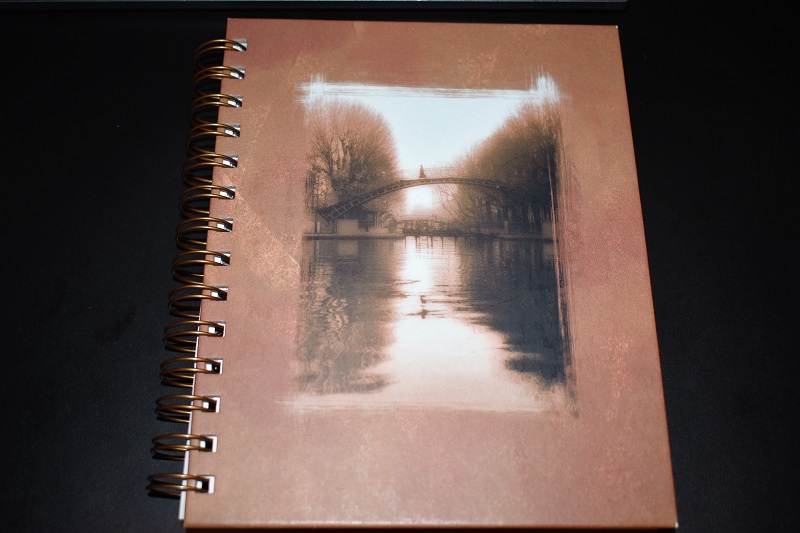
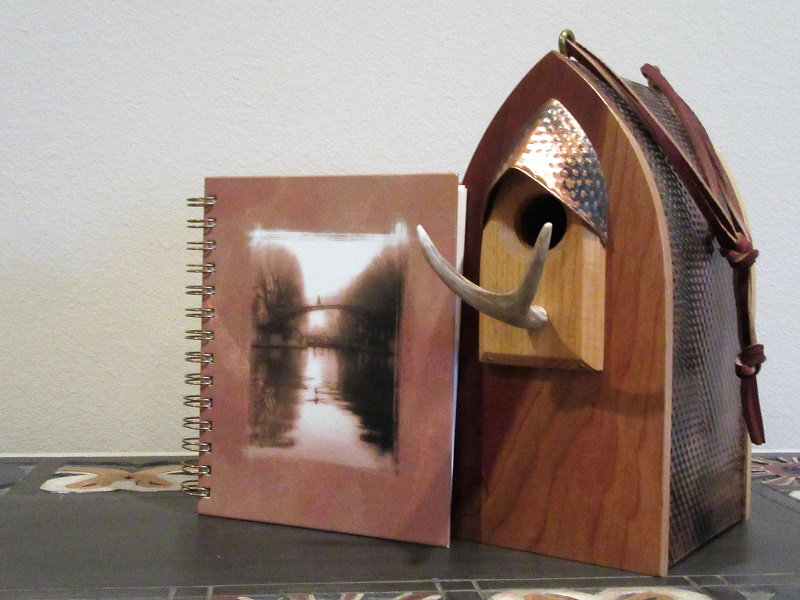
The featured image shows the cover of a little book of kind remembrances I received from colleagues and trainees when, during one of my two such lapses in good judgment, I left the University of Iowa to have a try at private practice. The book has an image of a bridge on it. At the time, I thought of it as a depiction of my path between academia and community psychiatry. We need bridges there too, although one person let me know that someone has to teach new doctors.

I also got a fancy birdhouse as a going-away gift. I still do some bird-watching.

As I head into retirement, I hope that I’ve been a bridge of sorts between the old ways and the new to the next generation of doctors. After all, I’m the institutional memory of psychiatry on the medical and surgical units, in a manner of speaking.

The Medical-Psychiatry Unit (MPU) at University of Iowa Hospitals & Clinics was where I learned how this ward of patients with both medical and psychiatric illness served as a bridge between the departments of psychiatry and medicine. My teachers were doctors who were and still are great leaders. I still recall Dr. Roger Kathol, MD, an internist who also trained in psychiatry, and who designed and started the MPU decades ago, gave readings during sit-down rounds in the unit conference room. He read passages from the works of Galen, the Greek physician, surgeon, and philosopher in the Roman Empire.

Dr. Kathol assigned to me a task one day, which was to give a short presentation the following day on hyponatremia and how to distinguish psychogenic polydipsia from the Syndrome of Inappropriate Antidiuretic Hormone (SIADH). That night I was on call and got 4 admissions on the unit, which was chaotic. One patient actually broke a bed. I didn’t get any sleep. I was up running around until we all sat down to discuss patients.

I struggled through presentations of the 4 patients I had admitted the night before. I could barely talk. I had actually looked up a little information for my assigned presentation on hyponatremia but I was sweating it because I could barely stay awake. I was not the first resident to have episodes of microsleep on rounds and I knew Dr. Kathol saw it happening to me. That was in the days of 32 hours of call. They don’t make trainees do that now.

Dr. Kathol gave me sort of a sidelong glance as we finished discussing patients, which was usually when trainees were expected to give short educational talks. That day, he skipped me.

I should mention that he thought the proper name for the MPU was the Complexity Intervention Unit (CIU), owing to not just the medical and psychiatric complexity of our patients, but also to their social environments and the U.S. payer system which often led to many having inadequate, dis-integrated health care, meaning that there was no bridge between psychiatric and medical illness treatment and split health insurance coverage even though research showed that mental illness definitely lessened quality of life and increased health care costs. He has his own company, aptly named Cartesian Solutions, and it’s a major organization dedicated to helping hospitals and clinics set up collaborative ways to bridge the needs of patients with comorbid psychiatric and medical illness.

The University of Iowa model for the MPU has been disseminated to a number of other hospitals in the country, one of them in Pennsylvania, which I mentioned in a previous post, “Brief News Item,” on May 23, 2019. I’ve just received word a couple of days ago from Dr. Kolin Good that the unit, called the Medical Complexity Unit (MCU), a name which bridges the underlying intent of MPU and CIU, has saved the hospital a great deal of money, has drastically cut the use of sitters doing one to one observation (an extremely expensive intervention), is treasured by patients, and popular with trainees. They are very proud of it and have every right to be so. They are bridge builders too.

Dr. Louis Kirchhoff has been one the most notable internal medicine co-attendings on the MPU. He’s an infectious disease specialist, but has a knack for communicating effectively with patients who are mentally and medically ill, even speaking fluent Spanish with some of them. He and I shared triage call to the MPU every other night before the triage system was changed to a more humane schedule. He was a bridge between internal medicine and psychiatry trainees rotating on the ward. He could explain psychiatry to the medicine residents as well as I could.

I have had a penchant for finding a chair to sit down when I interview patients in their hospital rooms. There are usually not enough chairs in the rooms. A few years ago, Dr. Tim Thomsen, a surgeon and Palliative Care Medicine specialist as well, lent me a camp stool which I carry around with me so that I’m never at a loss for a chair. Everyone likes it. I think the camp stool helps build an emotional bridge with patients.

The little chair

There are special combined specialty residencies at the University of Iowa Hospitals and Clinics which bridge Internal Medicine and Psychiatry and Family medicine and Psychiatry. Slowly but surely the siloed departments of academic medical centers are broadening their curricula and training regimens to rebuild the bridge between mind and body.

It’s been evolving for years. I’m proud to have played a small role in it. This is a place where teachers, researchers, and clinicians build bridges in many ways, foster openness, and search the “distant horizons in a spirit of acceptance, helpfulness, cooperation, peace, kindness and especially love.”

Thoughts on Etiquette

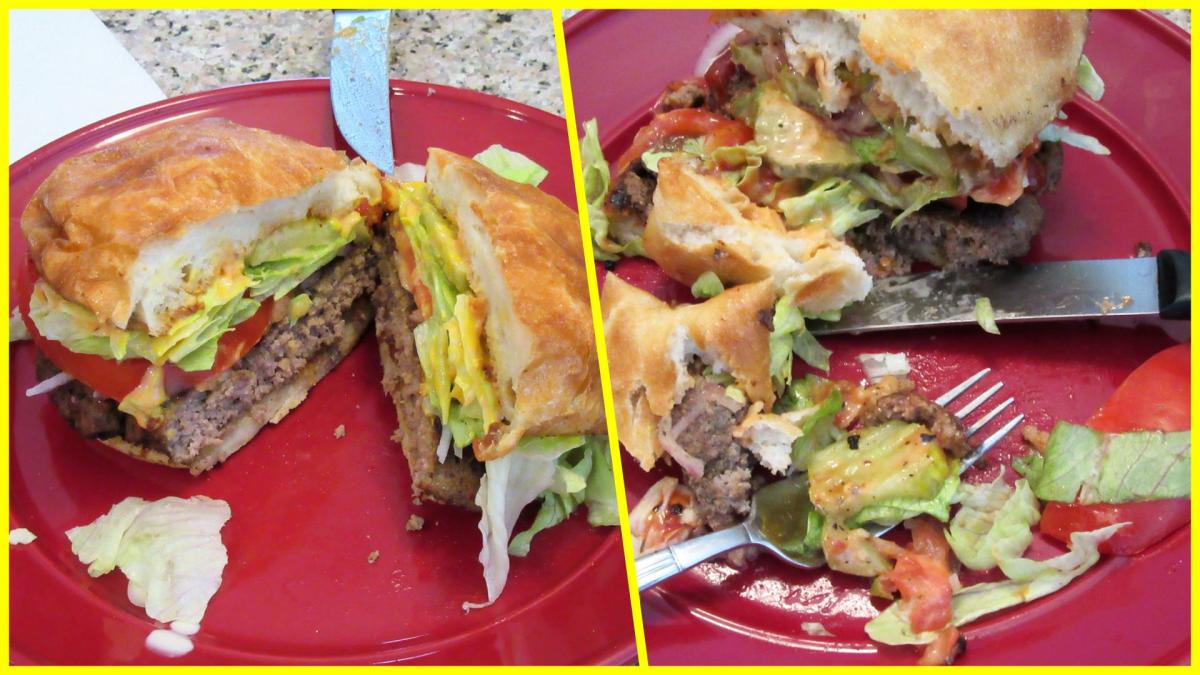
I sometimes wonder about etiquette. Take the sandwiches in the featured image today. Of course, you can’t actually “take” them; don’t be so literal. My wife, Sena made them for lunch yesterday, after we’d worked on clearing a lot of snow and ice from our driveway and sidewalks. We were ravenous.

Sena ate the neatly cut sandwich with her hands. I ate the messy one and you can see why it’s messier—I used a knife and fork.

I looked this up so there can’t be any dispute: it’s perfectly acceptable according to the rules of etiquette to eat a sandwich with knife and fork.

That said, there are questions about why there would be rules of etiquette about how to eat sandwiches in the first place. Without any research on it, I surmise it’s all about messiness.

Is it messier to have the condiments and contents of your sandwich smeared all over your plate or your face? You be the judge; but just so you know, since I’m writing this post, I’m the authority and I say you ought to keep your sandwich off your eyebrows and your earlobes in polite company.

This reminds me of other points of etiquette I’m often not sure about. What about coconut? I just happen to be one of the many souls who cannot stand the texture of shredded coconut. It’s like chewing pieces of paper. I just can’t bring myself to swallow it.

What do you do if you’ve discovered, too late, that you’ve just taken a mouthful of shredded coconut? What is the proper etiquette? You’ll be happy to learn that I have the answer although I didn’t do any research on the matter.

You should discreetly expectorate the papery mess on the left side of your dinner plate—without making any kind of noise as though you were hawking up a lunger. You’re welcome.

And what do you do with those beer bottles made by knuckleheads who think it’s clever to wrap paper around the neck all the way up over the cap which you can’t just twist off? You try your best to pop the top with a standard bottle opener and you can bet your bottom dollar a piece of paper will end up in your beer. It’s a small piece, just big enough to make you worry that you’ll choke on it like you would on a piece of shredded coconut.

Etiquette might say you should adroitly hold your bottle opener so that paper doesn’t end up floating in the foam. But you’ll have plenty of foam everywhere if you try to be adroit about it; trust me, I know. The bottle will slip, tip over, and smack the countertop which will lead to an eruption of suds all over the place, including you. No matter how hard I scrubbed and how much air freshener I sprayed in the kitchen, Sena called out from down the hallway in the front of the house, “Boy, sure smells like beer in here!”

You could just leave the paper in the bottle, which is the easiest. However, it’s pretty tough not to try to drink around it. Etiquette doesn’t cover that, probably because there is no way to gracefully drip beer from your chin.

Moving on to another point about etiquette although not involving food, let’s get back to shoveling snow, which we did an awful lot of yesterday.

We don’t own a snow blower, even though we live in Iowa, which gets a fair amount of snow. Yesterday morning we woke up to about 5-6 inches (not counting the driveway plug, courtesy of the city plow) of heavy snow and ice. We got out there and I was poised to plunge my ergonomic shovel in the plug when the neighbor across the street walked over and shouted over the roar of his snow blower, telling me he would be happy to let me use it. He offered more than once, pointing out that he was already finished clearing his driveway.

It was tempting. We usually spend about 2-3 hours shoveling after a heavy snow. On the other hand, I had no idea how to operate a snow blower. What would etiquette say about how to respond to repeated offers from a friendly neighbor to allow me to borrow his?

I could have just said “OK” and borrowed it. The only problem with that is I would then demonstrate my total ignorance about the machine. I would probably have the augur cranked down too low and sent spears of shattered driveway into his chest (I’m sure he would stand out there and watch me). How about rotating the chute so that the snow and ice hits me in the face? What does etiquette have to say about that? That’s probably more about first aid and the emergency room than etiquette.

On the other hand, I couldn’t let him know I didn’t know how operate a snow blower. Etiquette amongst guys is clear on that point. I would have had to turn in my man card. So, I did the only thing I could, which was to politely decline the offer, “I appreciate you so much, but I do this mainly for the exercise!”

Then I would proceed to throw my ergonomic shovel into the drifts, twist and hurl the load of snow clumps that were more like stones over my shoulder and slam the shovel into the drift in order to make an impressive show of the proper technique for removing the frozen residue from the inside of the shovel. I paid dearly for that later.

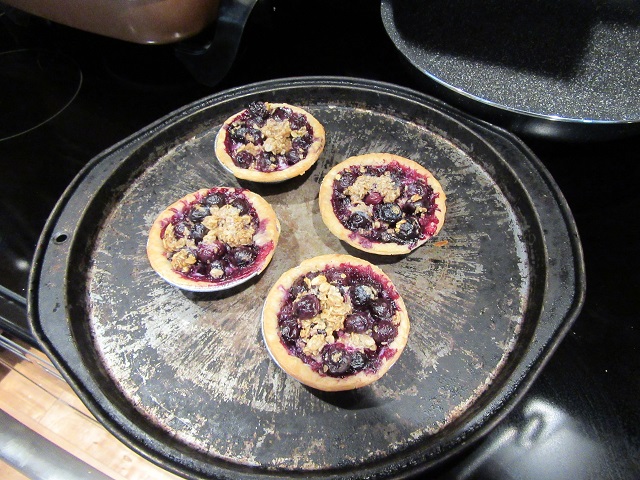
Anyway, those are some of my thoughts about etiquette. It’s time for blueberry tartlets. Etiquette clearly allows eating them with a shovel.

blueberry tartlets

Kitchen Table Cribbage

Well, Sena and I are making progress with our cribbage playing skills. We’re in the Kitchen Table Cribbage league for sure. I think one of the main differences between American Cribbage Congress (ACC) rules and Kitchen Table Cribbage rules is that no penalty points for mistakes are scored in the latter. I’m sure there are many other differences; but you know, when I googled the term “Kitchen Table Cribbage,” I came up empty.

For us, the learning curve is pretty steep but it’s a lot of fun. We made a YouTube video of our latest efforts. We must have made at least a half dozen tries at it before we settled on one which we think had the fewest mistakes. That doesn’t mean there weren’t any. I edited out glaring errors, but I’m sure viewers will find others.

We’re also using our new v-tournament cribbage board, on which it’s easier to peg (although the video shows me fumbling with my pegs!).

New cribbage board!

I hope cribbage enthusiasts give us some credit for at least trying to illustrate the basic rules and play of the game. I could find very few videos on the web that used a demo game to help tyros pick up the basics from the players’ perspective. We had a hard time just figuring out where to place the board and how to play the cards, which I had to piece together from different web sites and a surprisingly small number of YouTube videos.

You’ll notice Sena and I help each other with the pegging and scoring hands and cribs. You can’t do that by ACC rules. And there’s a Muggins rule you can apply that lets you take advantage of your opponent’s mistakes.

I also got a free cribbage scoring app for my smartphone, although we don’t use it that much. I’m sure you can tell.

Hey, we’re Kitchen Table Cribbage players. We’ll leave Muggins to the pros.

Go Kitchen Table Cribbage!