OK, it was a long day on the general hospital psychiatry consultation service. This post is going to be short. I put 3.4 miles and 29 floors on my step counter today and I’m feeling every one of them right now. It’s almost 10:30 at night and I’m trying to find a way to end the evening on a high note before I hit the sack .
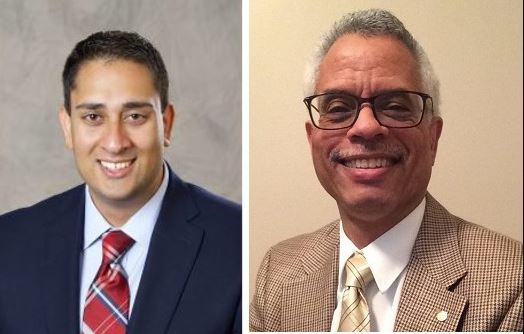
I found it by listening again to the University of Iowa Shortcoat Podcast (via Radio Public) interview with a former internal medicine resident I had the pleasure of working with, Dr. Keenan Laraway. He’s doing a Nephrology fellowship at the University of Pennsylvania.
The title of the podcast is “Night Float: Finding Mentors, Being a Mentor.” Although I’ve never thought of myself as a mentor, apparently Keenan thought I was one for him.
Dr. Keenan Laraway on mentorship.
Listen to the whole podcast, but just to feed my ego, won’t you please fast forward to about 10 minutes, 50 seconds and hear what Keenan has to say about Dr. Jim Amos?
It made my day. He gave me the highest compliment he can give anybody, which is that I think like an internist. He says that I taught him a whole lot about what it means to be a doctor.
That, more than anything, is going to be the hardest thing to leave when I retire.
I think a sense of humor is a wonderful thing. I was the
class clown in my youth. I remember my English teacher, Miss Piggott, wrote in
my report card that I was “A little too exuberant.”
Actually, I was a great deal too exuberant. My sense of humor tends to fall into the broad category of what author Dave Barry would call “booger jokes.” By the way, I just finished his latest book, Lessons from Lucy: The Simple Joys of an Old, Happy Dog. I highly recommend it. He mixes a little wisdom in with the booger jokes.
Dave Barry can do more than booger jokes.
As a psychiatrist, I’ve learned to look for a sense of
humor, exuberant or not, in the patients I’ve met. I point it out to them when
I think I detect it. They usually like hearing that. Only a very few are
nonplussed.
One of my teachers was George Winokur, MD, who everyone knows was a giant in psychiatric research. Dr. Winokur was the department chair at University of Iowa Hospitals and Clinics from 1971 to 1990 and had a unique and memorable style. I thought he had a fair amount of exuberance. He had a rolling, sort of gravelly laugh, especially during rounds when he would sometimes make a point of reminding trainees like me that we had a lot to learn, “You all don’t know how to diagnose Somatization Disorder!” I made sure I learned how.
When Winokur was department chair, he created a set of
“commandments” regarding personal behavior and comportment that have stood the
test of time. I don’t know if anyone else has tried to ensure that Winokur’s 10
Commandments be remembered, maybe even cast in a pair of stone tablets. Read
them and follow them.
Winokur’s 10 Commandments
Thou shalt not sleep with any UI Psychiatry
Hospital patient unless it be thy spouse.
Thou shalt not accept recompense for patient
care in this center outside thy salary.
Thou shalt be on time for conferences and
meetings.
Thou shalt act toward the staff attending with
courtesy.
Thou shalt write progress notes even if no
progress has been made.
Thou shalt be prompt and on time with thy
letters, admissions and discharge notes.
Thou shalt not moonlight without permission
under threat of excommunication.
Data is thy God. No graven images will be
accepted in its place.
Thou shalt speak thy mind.
Thou
shalt comport thyself with modesty, not omniscience.
More evidence that a sense of humor is prevalent amongst psychiatrists is the work some residents put into making a video (in two parts) about managing violent patients. I realize that the recent news stories about health care professionals often being the victims of violence from patients might make some think this is nothing to joke about. They were not joking. The video makes a good case for a method to manage the violent patient. It just makes it with an exuberant sense of humor.
Violent behavior by patients in the general hospital is often
caused by delirium. The proxy for delirium in the form of violence could be
what is called the “Code Green” here at our hospital.
The Code Green team at our hospital consists of a group of
people specially trained to use non-violent measures to help patients who are
violent get under control in order to minimize the risk of injury to themselves
and others. These events are often intense encounters in patient’s rooms,
hallways, lobbies, and other places in the hospital where patients who are
confused and out of control can wander. First and foremost, we try to contain
the patient to maintain everyone’s safety, and then ascertain why the patient
is confused and at risk for imminent violence or already perpetrating acts of
violent behavior toward themselves and others. This has to be done quickly so
as to minimize injury.
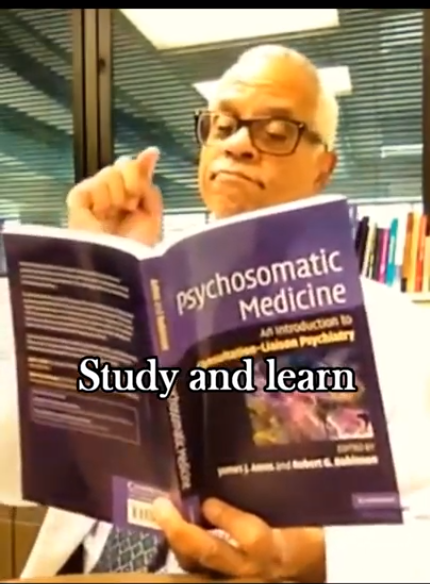
One mnemonic, described in my chapter in our book, Psychosomatic Medicine: An Introduction to Consultation-Liaison Psychiatry is [1]:
1. Amos, J.J., M.D., Assessment and management of the violent patient, in Psychosomatic Medicine: An Introduction to Consultation-Liaison Psychiatry, J.J. Amos, M.D., and R.G. Robinson, M.D., Editors. 2010, Cambridge University Press: New York. p. 58-63.
Containment before
Assessment before
Non-violent
Intervention before
Take down
Shameless plug…
The so-called CAN IT mnemonic is a reference mainly to
containment before all else in order to protect everyone involved in a Code
Green situation. An excerpt from the chapter on the importance of containment
is:
“Containment refers to ensuring that you and the patient both feel relatively safe in the assessment area. Preferably, both of you should have easy access to the door for escape if necessary. At first, it may seem odd to recommend letting the patient escape from the room, but the point is not to force the patient to run over you to get to the door.
Another issue of containment is to ensure that the patient gives up any weapons before you agree to do the evaluation. Sometimes, offering food or drink (not hot enough to injure if hurled in your face) will help set a non-threatening atmosphere. It’s helpful to avoid making intense or prolonged eye contact with the patient, because this may be viewed as threatening.
Always make sure that plenty of other people are available to help you if a take-down situation develops.
Containment under these conditions sometimes is achievable by simply being honest with the patient who is still able to hear you by admitting that he/she is saying or doing things that make you afraid. This may seem counter-intuitive. But, provided it’s delivered calmly as a statement followed by reassurance that you and everyone else involved are committed to maintaining the safety of all persons present (including the patient), this may capitalize on the patient’s own fear of losing control by assuring that you’ll do everything in your power to keep the lid on the situation.”
You can see the exuberant YouTube videos below, illustrating
these principles made by talented trainees in our psychiatry residency program
in 2008.
In 2009, Dr. David Mair, MD was the producer and director of the video. I see he’s now with Innovative Psychological Consultants (IPC) in Maple Grove, MN (they get a lot of snow up there!). Below is his introduction to the videos:
Early in my training, I didn’t quite know how to react with potentially
violent patients. No amount of knowledge
of medicine, physiology, or the DSM provided me the skills to address these
situations. Though we had excellent
training during orientation, I really learned by observing skilled clinicians,
and through my own encounters, both good and bad. This was exemplified during my rotation in
consultation-liaison psychiatry, when working with Dr. Amos, to learn his
logical, step-wise approach, see him in these problematic scenarios, and to
practice what I had learned.
In making this educational video, I wanted to give incoming residents a
quick way to make these observations, and present it to them in a way that was
both useful and entertaining. It helped that I had a cadre of multi-talented
peers and a faculty supervisor who recognized the utility of such a
project. Though managing these patients will
be an eternal source of anxiety for all psychiatrists, my hope is that with
this video, they will feel just a little better prepared. —David Mair, MD.
I suppose you’re wondering why I’ve been saying that my wife has got me this or that item, like the pink dumbbells and whatnot. She also got me an extra yoga mat.
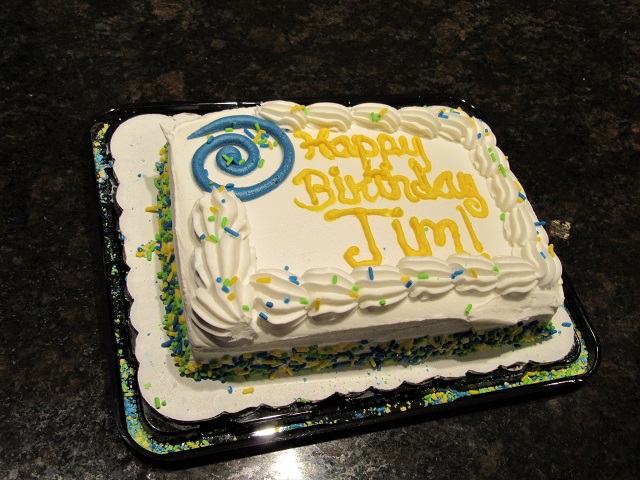
Part of the explanation is that I’ve recently had a birthday, which reminds me of the importance of time in my life–mainly because I have a shrinking supply of it. After all, I’m heading into the sunset of my journey on Earth.
Sunset
Occasionally, I wonder what I ought to be trying to accomplish, if anything.
To achieve great things, two things are needed:
A plan and not quite enough time.
Leonard Bernstein
Bernstein’s quote is encouraging in a way. Hey, I’ve already got half of it–I don’t have enough time. Now all I have to do is achieve some great things.
I could go on the road to promote my idea for a hit song, “Put your hand in the hand of the man with a plan to get a tan, lead a band, roam the land, avoid the bladder scan, zippity do dah shazam.”
All I have to do is come up with lyrics…and a melody…and an agent…and a band…and a voice coach…and some talent.
Now, if I’m going to accomplish something great, it would make sense to keep working on building a more harmonious balance in my everyday life. I’m doing some of that, including regular exercise, mindfulness practice, and healthy eating.
That reminds me, the birthday cake was excellent, especially topped with white chocolate vanilla ice cream.
Every so often, my former mindfulness teacher sends out an email message about the upcoming mindfulness classes. She always includes an inspirational quote, like the one below:
Be a person here. Stand by the river, invoke the owls. Invoke winter, then spring. Let any season that wants to come here make its own call. After that sound goes away, wait.
A slow bubble rises through the earth and begins to include sky, stars, all space, Even the outracing, expanding thought. Come back and hear the little sound again.
Suddenly this dream you are having matches everyone’s dream, and the result is the world. If a different call came there wouldn’t be any world, or you, or the river, or the owls calling.
How you stand here is important. How you listen for the next things to happen. How you breathe.
William Stafford – “Being a Person”
There was also a couple of suggestions for yoga and meditation techniques specifically to help you sleep. I recognized one of them as the body scan. The body scan is one of the first things they teach you in Mindfulness Based Stress Reduction (MBSR).
The body scan invariably put me to sleep, which made me feel like I wasn’t doing it right. Early on in the course, that was not exactly the “goal” of the body scan. Except mindfulness is not exactly a goal-oriented activity.
That’s hard to conceptualize. And so, the other class that is offered to those who make mindfulness practice a regular part of their lives are follow-up groups. It helps reaffirm the regular commitment to practice mindfulness.
I noticed one of the follow-up groups is entitled “Embracing the Paradoxes of Mindfulness.” The description of the course makes the point that mindfulness really isn’t about reaching a goal or achieving great things. It’s about being rather than doing. It’s hard for me to get my head around that after getting into and through medical school, residency, and practicing psychiatry for umpteen years. And now I’m making a transition to retirement.
One of my biggest fears about making and sticking to a mindfulness practice was that I often didn’t think I would have enough time for it. My teacher just advised me that I would simply have to make time.
Maybe I could accept the time I do have left and just be the geezer I am.
I was back on the wards today. It was pretty busy in the hospital over the weekend as usual. Mondays are almost always days when psychiatry consultations are pretty heavy, and Fridays are about the same. I got 2.3 miles and 17 floors on the step counter today.
I’m trying out adjusting my exercise and mindfulness practice—mindfulness in the morning and exercise in the evening. Since I get up pretty early anyway, I tried the yoga this morning and after the day was done, I did my exercise routine. It might be hard to stay awake through sitting meditation tomorrow morning. We’ll just have to see how it goes.
In my off-service time, I’ve been trying to work on cooking—sort
of. I’m fair at best even with frozen pizzas. That’s a shame for someone who
used to make pizza.
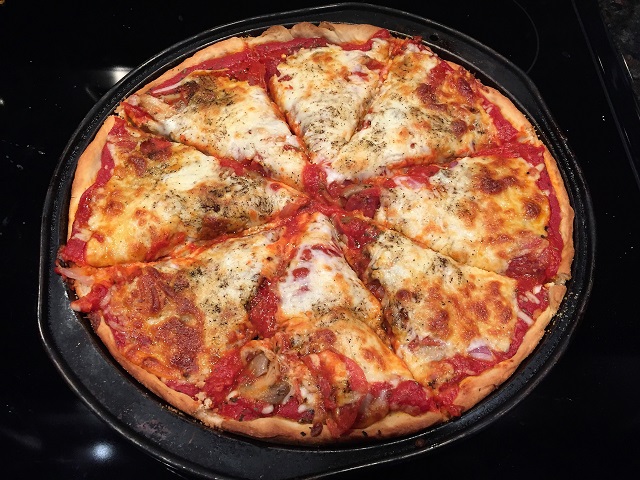
Home-made pizza I made–not that long ago.
I’m just OK with microwave popcorn. On the other hand, I managed not to ruin Jiffy Pop popcorn. Remember that?
I’m still trying to find more information in the literature
about retirement for psychiatrists. What happens to psychiatrists who retire? In
fact, there is an article published several years ago with an interesting
title: “A psychiatrist retires: the happening.” It was written by Dr. Norman A.
Clemens, MD, a psychiatrist who was a psychoanalyst for many decades and
retired in his mid-seventies. Dr. Clemens writes from the psychoanalyst’s perspective. He
had many psychotherapy patients with whom he had developed long term
therapeutic relationships. He was in private practice. His situation is vastly
different from mine in those respects.
As a consulting psychiatrist in the general hospital
exclusively, I have no long-term relationships with patients. I am so busy that
I have no time for an outpatient clinic practice in the academic medical center
where I work. I see my patients in the general medical wards, the critical care
units, and, less often, in the specialty medical clinics.
My role is to, above all, understand the interaction of medical illness with psychiatric symptoms and to find some way to ameliorate them. My time is limited because I’m paged from all over the hospital throughout the day. Often, I see patients for only one or two visits—and never see them again. The C-L Psychiatrist is the fireman of psychiatry. My colleagues in medicine and surgery call me for help in putting out fires: suicide statements or attempts, the terror and agitation of delirium, the medically unexplained physical symptoms, the depressed and demoralized.
I don’t conduct formal psychotherapy like Dr. Clemens did. I do my best to sit and listen to the patient. It’s the main part of supportive psychotherapy, which underpins all others. My main prop is a chair (not a couch), any chair I can find in the room. If there are none, either I or a medical student or resident trots out to the hallway and fetches one for me. A few years ago, a colleague gave me a folding camp stool that I now carry around, slung around my shoulder. It’s very handy.
After a consultation, I then speak with the physicians who
called me for my help. Frequently, nurses, social workers, medical students,
residents, and other learners are present. I often sit down for that, too. I
teach them and they teach me.
And also, I think about the larger perspective, which is the
shortage of psychiatrists generally. About 60% of psychiatrists are over the
age of 55 and many of them, including me, will soon retire. This will augment
the need to replace us.
So, what happened finally to Dr. Clemens? How did he cope
with retiring? Did he really retire? At the end of the paper, he confesses that
he mourned for the patient relationships but relished the freedom. And he
frankly admitted he’s not “totally retired,” still engaged in teaching. He says
he doesn’t know if he could ever fully retire from being a psychiatrist or a
psychoanalyst.
I spend a lot of time ruminating about how retirement will
affect me. Dr. Clemens’ practice and mine differ in many ways.
However, there is this similarity. My retirement will no
doubt affect many others.
Clemens, N. A. (2011).
“A psychiatrist retires: the happening.” J Psychiatr Pract 17(6):
425-428.
The author uses his own recent experience as a basis for
discussing the actualities of retiring and closing a private, solo, psychiatric
practice of psychotherapy and psychoanalysis. The extended process includes a
personal decision about whether, when, and how to retire; preparation of
patients and arrangements for their ongoing care; dealing with legal
requirements and professional obligations; and the mechanics of closing an
office one has occupied for decades. Not the least of concerns is one’s own
personal transitions in lifestyle, professional persona, attachments to
patients, and engagement in psychotherapeutic or psychoanalytic treatment relationships.
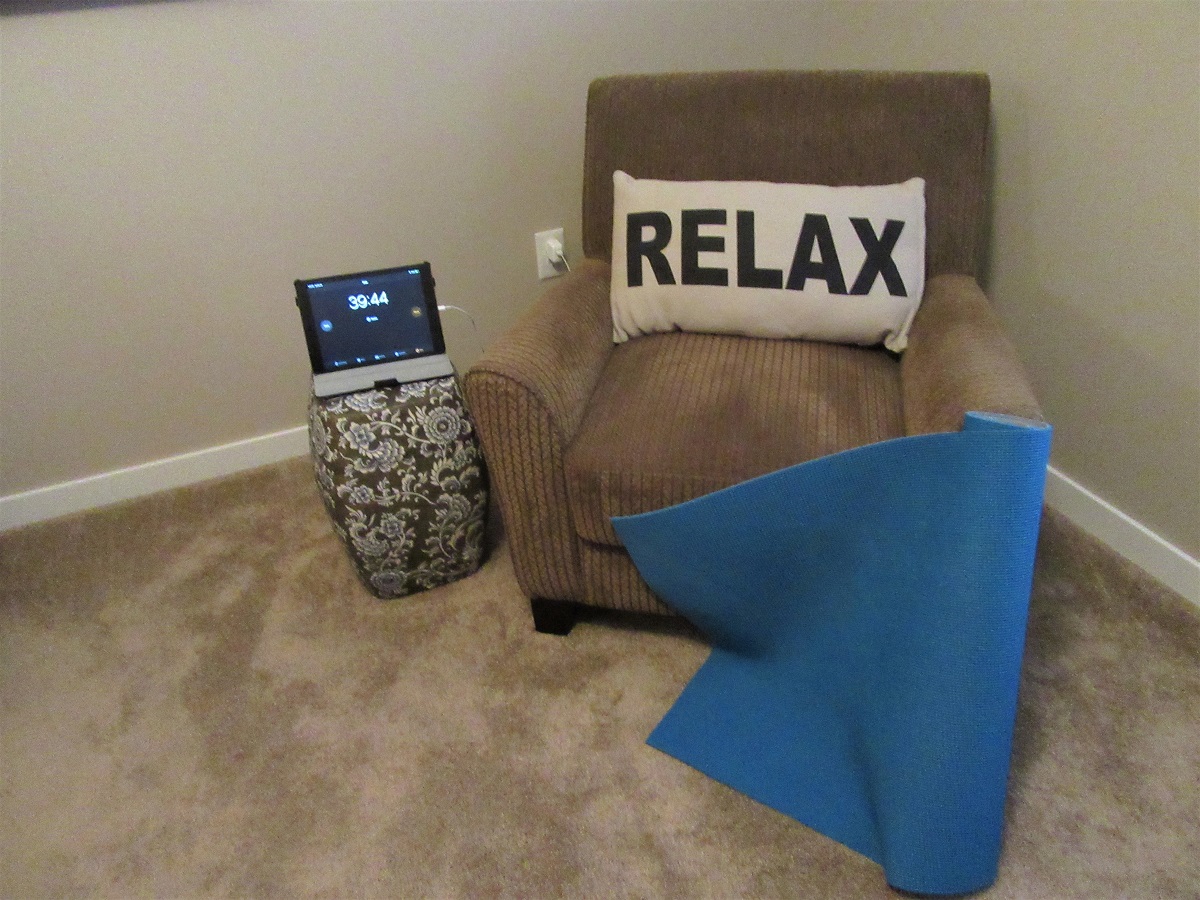
I’ve been off service for months and I’ll return to staff the general hospital psychiatry consultation service on Monday. It can be a stressful role and I’m “mindful” of how helpful mindfulness meditation has been. The featured image above shows my yoga mat and some might say a much too comfortable chair for sitting meditation. And of course, mindfulness is not really about relaxation; that’s just an old pillow.
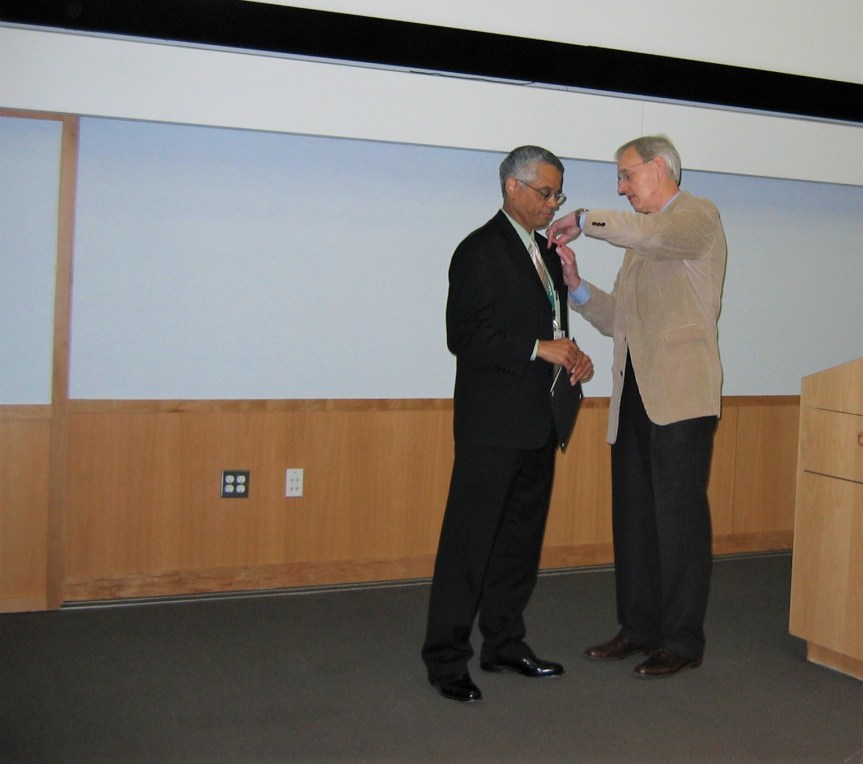
About 5 years ago the editors of the Arnold P. Gold Foundation Humanism in Medicine Blog saw one of my blog posts (from a previous blog) describing my path to mindfulness practice, which included burnout, a problem for nearly half of all physicians, the causes of which include the health care system itself as well as physician vulnerabilities. It was posted under the title “How I left the walking dead for the walking dead meditation.” I was also the recipient of what was called in 2007 the Leonard Tow Humanism in Medicine Award, sponsored by the Gold Foundation.
Leonard Tow Humanism in Medicine pin
Getting the Humanism in Medicine Pin
This has me thinking about my motivations for retiring and what I’m going to do after I’m fully retired. Interestingly, the phased retirement program I’ve been in has given me a strong sense of how difficult this transition from full-time doctor to retired doctor entails. The meaning and purpose gap require more than a bridge made of recreational pastimes. The breath of relief after the great escape from work can soon become the sigh of boredom. On the other hand, my work as a psychiatric consultant has also been an enormous source of personal satisfaction. The video below gives a sort of Pecha Kucha account of what a Consultation-Liaison Psychiatrist does.
What C-L Psychiatry is about
It can get pretty hectic. Over the last two years of the phased retirement schedule, I’ve struggled to craft a daily routine at home that replaces the sense of accomplishment my work schedule provided—despite the pressures it exerted on my sense of well-being. Only now, in my third and final year am I starting to wonder the opposite.
For example, I’ve been exercising daily as well as practicing my mindfulness meditation. I’ve actually lost a little weight and my wife has noticed my shrinking paunch. I’m not laboring on my workouts by any means; my quads are not flopping over my knees. But I used to think that by climbing all those stairs and running all over the hospital I was staying in pretty good shape. It looked pretty impressive that my smartphone step counter logged around 20 floors and 2-3 miles a day. However, the consult service work demand can run hot and cold. It just doesn’t beat daily exercise.
How do I keep my daily exercise routine? I can hear myself saying that I won’t have time for it. I think my mindfulness teacher would probably remind me that my response could be to make time for it—just as I learned how to make time for mindfulness.
I’m looking for guidance in the literature on retiring
psychiatrists, especially C-L specialists, and it’s pretty scant. So far, the
best summary of it I’ve found were a couple of blog posts by H. Steven Moffic,
MD on the Psychiatric Times web site. You can easily view them for free. In the
first one, “Mental Bootcamp: Today is the First Day of Your Retirement,” published
in 2012, he highlights the difficulty of psychological adjustment to retirement
for psychiatrists. He advises, “Plan how to replace financial, personal,
social, and generative needs that work has fulfilled.” There is no doubt I
could do a better planning job.
In the second one, “Reviewing Retirement,” which was posted
in 2014 (two years after he retired), he advises “Retire, even if you are not
retired. Take enough time off periodically, and completely, with no connections
to work, so that you can feel emotionally free from concerns about patients and
practice.”
That speaks to me. In fact, the title of my blog site, Go
Retire Psychiatrist, actually echoes this suggestion, although I never made the
title with that connection in mind. I wish it were that easy to follow. You would
be very lucky in today’s work environment to pull that off, even in academia. Phased
retirement programs are one approach to preparing for retirement and could be
effective for preventing burnout.
As I get ready to go back on service at the hospital as a
psychiatric consultant, I’m trying to get my head back into the game by reading
papers like Psychiatric News. The March 15, 2019 issue (volume 54, number 6) has
an interesting article about how medical students are learning these days,
entitled “Wright State Adopts Curriculum Without Lectures,” written by Mark
Moran. You can easily access this article on the web for free by just searching
with the term “Psychiatric News.”
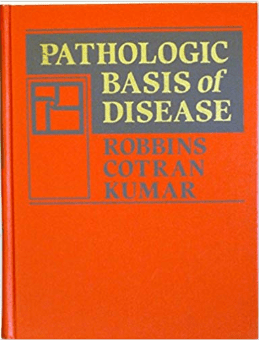
The article mentions the pathology textbook, Robbins’ Pathologic Basis of Disease. My
class used the nearly 7 pound red 3rd edition containing 1,467 pages.
This book is hailed as an outstanding foundational text, which it is. Dr Stanley
Robbins has been eulogized as an exacting editor who championed writing of the
type espoused by Will Strunk in The
Elements of Style.
Not to be picky, but the book contained the phrase “not
excessively rare” in reference to some process or disease which I can’t recall.
I do recall that a majority of our class howled about this verbiage, which
seemed the antithesis of what Strunk tried to teach.
Robbins book is described as “dense” in the article. It’s
probably still pretty tough to wade through. I admire any medical student who
can teach peers about its contents using only a study guide. I saw a used copy
for sale a few years ago in a bookstore in Madison, Wisconsin.
Wright State University is using Team-Based Learning (TBL)
which allows medical students to teach each other in small groups. They prepare
by reading on their own about topics and come prepared to teach their peers who
participate in discussions. This is thought to promote a better way to promote lifelong
learning and to be more effective than the lecture style—which is how I
learned.
Another point in the article is that the lecture-based
approach is pretty inefficient, which is true in my opinion. I remember it
often resulted in poor lecture attendance and cramming before exams. It spawned
the sometimes-controversial Note Service (which I think a lot of medical
schools had and may still have), in which class members take turns taking notes
in lectures, which are then cleaned up and distributed to the rest of the
members of the class who sign up for the Note Service.
Wright University also has a problem-based learning exercise
in which small groups discuss a clinical case with a faculty facilitator.
Students come up with learning objectives, search the medical literature, and
then present to each other about evidence-based approaches to real-world
clinical challenges which physicians encounter in practice.
It turns out this problem-based learning method is not really
new and not excessively rare. It happens to have been the approach used by one
of my teachers during my residency rotation through the consultation-liaison psychiatry
service. It was eventually called Clinical Problems in Consultation Psychiatry
(CPCP). I continue to use this model, although general hospital psychiatry has
gotten very busy over the years, making it difficult to do regularly. Medical students
and residents have given many outstanding CPCP presentations, often using
PowerPoint slides and generating stimulating discussions. The video below is an
example to give you the idea of one component.
And this post reminds me that the phased retirement process involves periodically flipping between my work identity and my retiree identity. I suspect this experience is not excessively rare.
Yates, W. R. and T. T.
Gerdes (1996). “Problem-based learning in consultation psychiatry.” Gen
Hosp Psychiatry 18(3): 139-144.
Problem-based learning (PBL) is a method of instruction
gaining increased attention and implementation in medical education. In PBL
there is increased emphasis on the development of problem-solving skills, small
group dynamics, and self-directed methods of education. A weekly PBL conference
was started by a university consultation psychiatry team. One active
consultation service problem was identified each week for study. Multiple
computerized and library resources provided access to additional information
for problem solving. After 1 year of the PBL conference, an evaluation was
performed to determine the effectiveness of this approach. We reviewed the
content of problems identified, and conducted a survey of conference
participants. The most common types of problem categories identified for the
conference were pharmacology of psychiatric and medical drugs (28%), mental
status effects of medical illnesses (28%), consultation psychiatry process
issues (20%), and diagnostic issues (13%). Computerized literature searches
provided significant assistance for some problems and less for other problems.
The PBL conference was ranked the highest of all the psychiatry resident
educational formats. PBL appears to be a successful method for assisting in
patient management and in resident and medical student psychiatry education.








 Go Retire Psychiatrist