

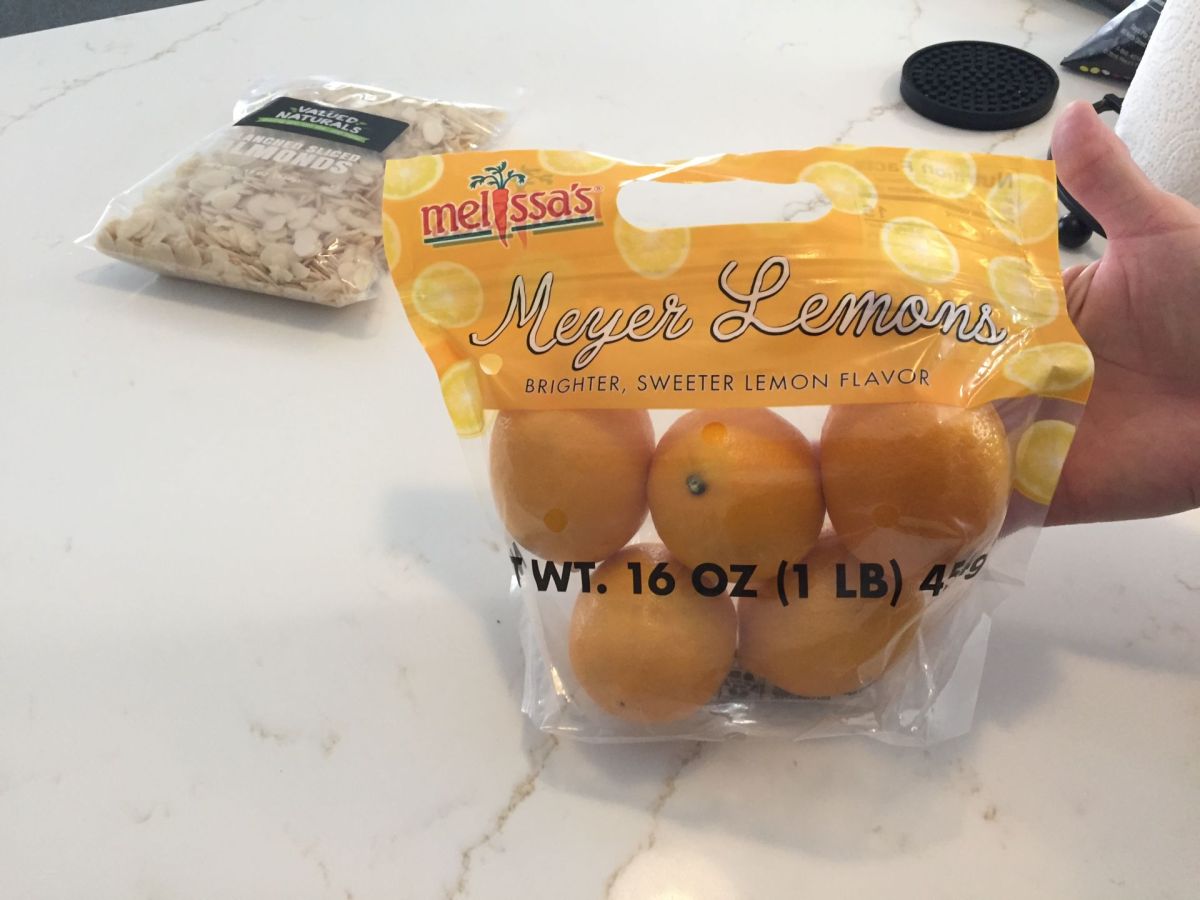
Sena bought some Meyer Lemons today, which we had not heard of until she saw them on TV on the QVC network. She bought them for a fish dinner.
I was curious about the Meyer Lemon. We’ve never eaten them before. People say they’re sweeter than regular lemons. It’s a hybrid between a lemon and an orange. I did a little digging on the web and found a little background about them, which curiously connects to James Thurber in a roundabout way.
Anyway, an explorer and employee of the U.S. Department of Agriculture named Frank Nicholas Meyer introduced the fruit to the United States in 1908 after he collected them while traveling in China. It was named after him although the fruit had been growing in China for millennia. Meyer was an immigrant to America from Amsterdam in 1901 and became a citizen in 1908, modifying his name from Frans Nicolaas Meijer to Frank Nicholas Meyer.
Meyer is also credited with the discovery that the Chestnut blight disease was originally imported to America from trees in China. He collected fungus specimens which were identified as the cause of the disease which was killing chestnut trees in America in 1904.
That gets us to the connection of Meyer lemons to the writer James Thurber, although I confess the connection is indirect. Thurber wrote a short story, “The Car We Had to Push” which was published in the 1945 collection, The Thurber Carnival.
Part of the story is about a character named Cousin Zenas, who died of—yep, you guessed it, the Chestnut blight. Now, even though the story is in a copyrighted book, the full text turns up in a couple of blogger sites. I found one copy of The Thurber Carnival you might be able to borrow and read for free on the Internet Archive. Don’t believe the Google Gemini Artificial Intelligence bot, which always intrudes itself at the top of my web searches. You can’t get the book as a free pdf from “The Project Gutenberg website,” which I suspect is a confabulation.
Anyway, the Meyer Lemon tastes great and Sena was able to squeeze a lot of juice out of one small Meyer lemon. You can even eat the rind. She bought a bag of 5 of them which cost $7.00, and they were little compared to the large ones she saw on the QVC network.
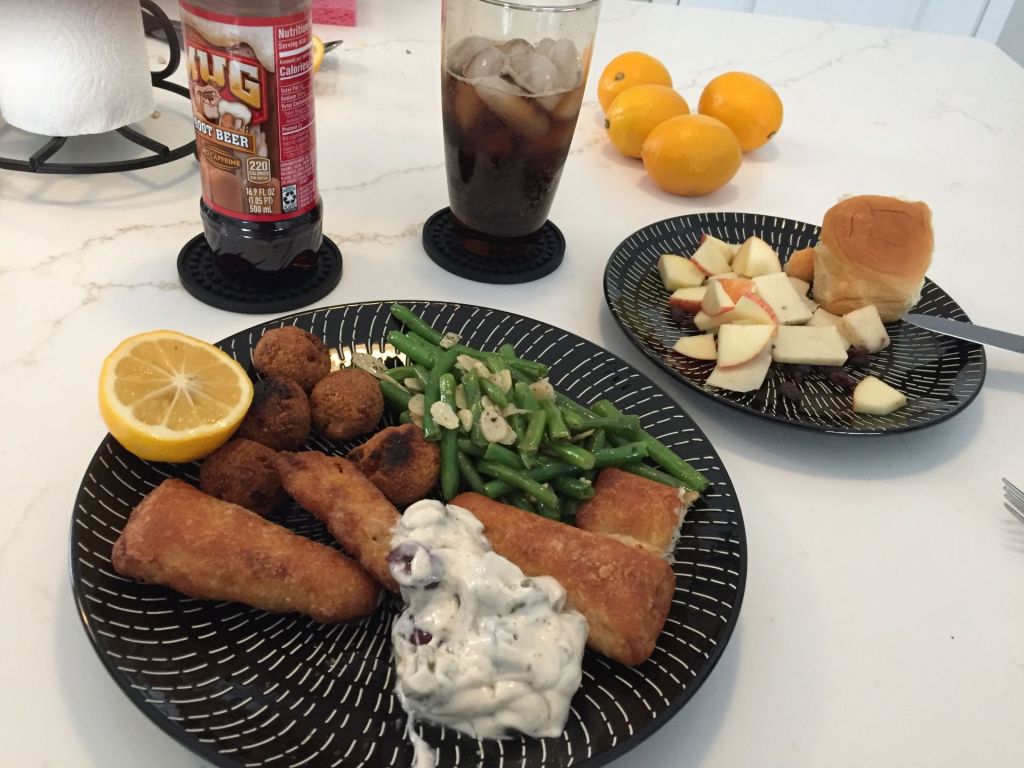
They’re a great accent to a fish and hush puppies’ dinner. The sauce is made with Miracle Whip, by the way.




 Go Retire Psychiatrist