
Tomorrow’s schedule for the Martin Luther King Jr. Celebration of Human Rights Week has Michele Norris presenting the MLK Distinguished Lecture, “Our Hidden Conversations.” It’s based on her Race Card Project which produced her new book “Our Hidden Conversations: What Americans Really Think About Race and Identity.”
Sena and I probably are not going to make it to Michele Norris’s lecture tomorrow, mostly because of the bad weather.
The Race Card Project involved people sending in cards with just six words on it which described their experience with race and identity and much more than that. I didn’t learn of the project until this month.
If I were to send in a card, it would say, “Everyone changed but Jim.” What’s important about that is who said it, because it wasn’t me. It was somebody who was my best friend in grade school. I lost touch with Dan, who was white, for a while when we were kids.
When I caught up with him while we were still pretty young, he had changed. He seemed much older than our real age. He used to have a great sense of humor, despite his life being a little difficult. Our lives were both hard, in many ways that didn’t involve race. We both grew up in relative poverty.
But after only a few years of not seeing each other, he seemed cynical, which was very different from how I remembered him.
I don’t recall how I found him, but I met with him at his school. I expected to find the same guy who made me laugh. But he didn’t seem glad to see me. I must have mentioned it, and I probably pointed out that he had changed.
And that’s when Dan said, without looking at me, “Everyone changed but Jim.” The meeting was brief. I left and never saw him again.
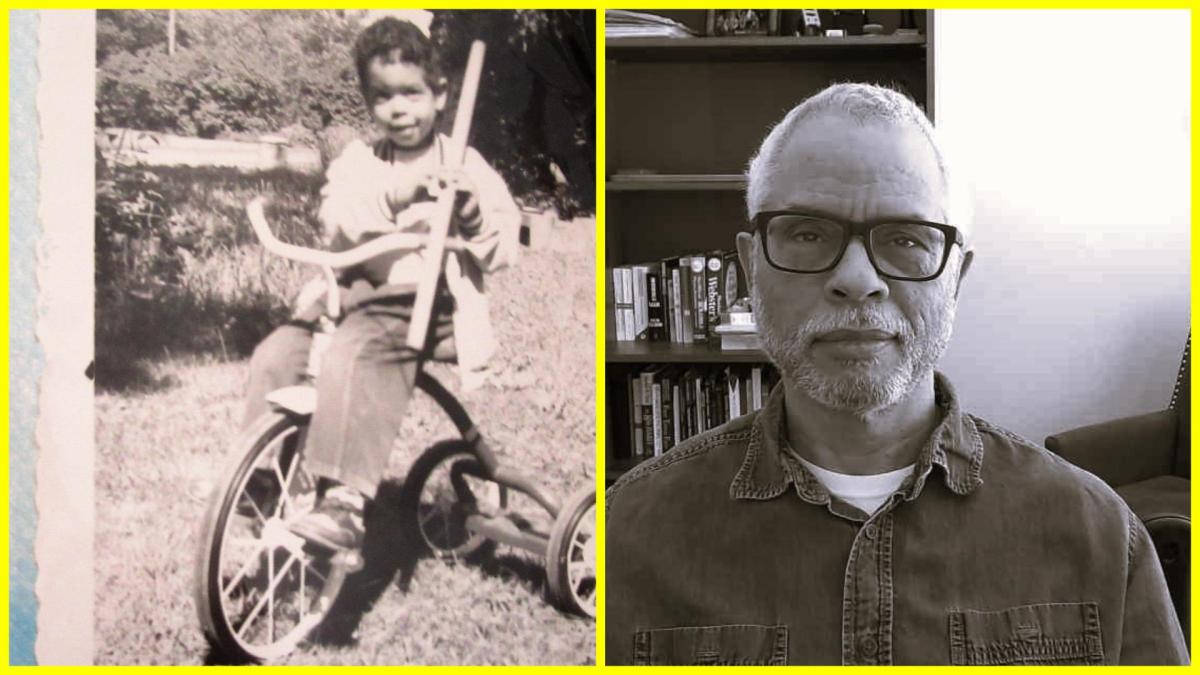
Friends were tough to find for me. I didn’t have any black friends. My father was black and my mother was white. They separated when my younger brother and I were little, and we lived with mom. Despite what some people may or are rumored to think, racism has always been a part of living in America.
Black people tended to live in different zip codes, not the one in which I grew up. I was often the only black kid in school, and this story was and is still common. I didn’t have black friends because I didn’t live in the zip codes where black people lived.
Dan wasn’t the only friend I had. There was only one other; he was white too. Like me and Dan, Tim and I didn’t stay friends.
A lot happened after that, which is always a part of coming of age. And I guess that’s because a lot of things changed—including me.
Generosity, kindness, and love, especially the love from my wife, saved me from lifelong bitterness, for which I’m grateful. I think a sense of humor was also important. And even though definitions differ about what friendship is—I have friends.
 Go Retire Psychiatrist