
False Alarm

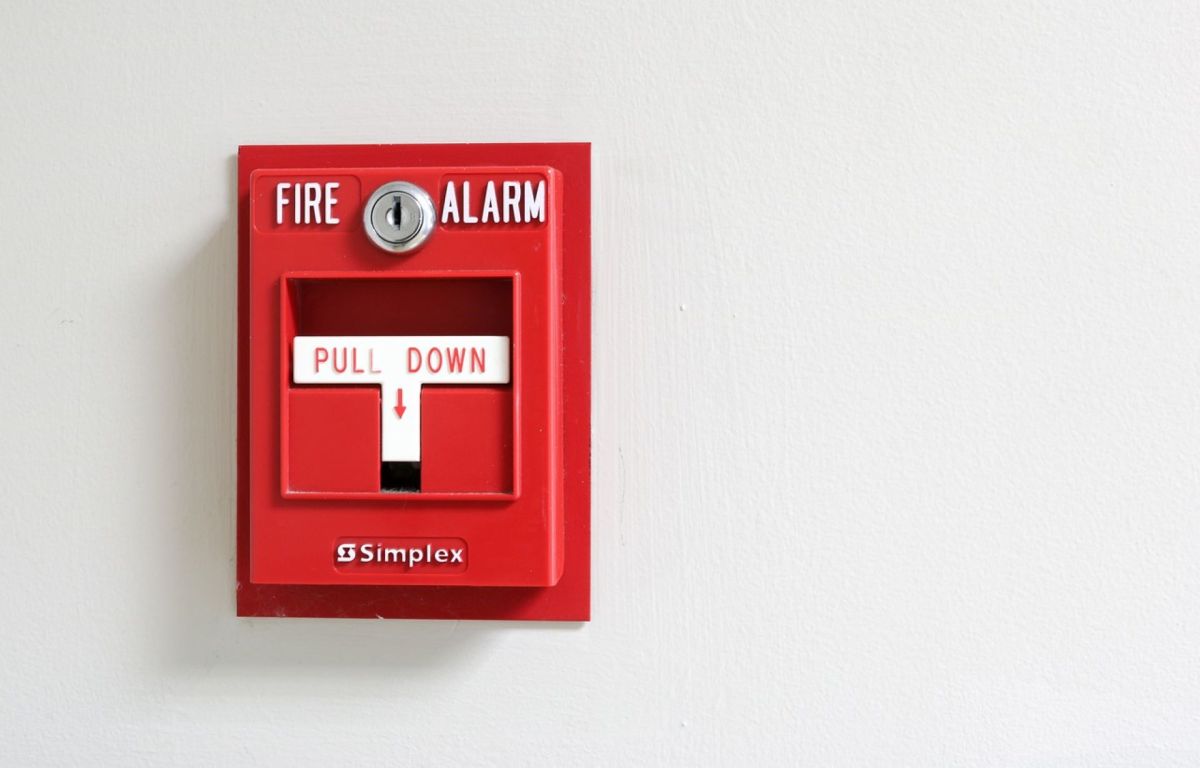
A few days ago, while we were eating breakfast in our hotel room, the fire alarms went off. We jumped up and got out of the room. Of course, the elevators were off and other people were filing down the stairs.

It was slow going downstairs. Not everybody was fit as a fiddle and able to run down the stairs. We couldn’t smell smoke.

When we got outside, a lot of folks, some with their dogs and a couple carrying their potted tropical plants, were milling around in the parking lot. There were a lot more people in the hotel than we thought. Several were filming the event with their smartphones.

In our haste to get out of the building, I had left my smartphone in our room. We had also left our car keys there.

Ironically, many remembered their cigarettes and had a smoke.

The fire truck seemed to take a long time getting there. The nearest fire station is not that far away. They pulled into the parking lot and a couple of firefighters got out, looking a little bored. They walked in there. A few minutes later, they walked out, looking even more bored.

Everybody re-entered the hotel. A hotel employee said it was a false alarm and everything was OK. Most people hung out in the lobby, waiting for breakfast-another point of irony since, if there had been a fire, the kitchen might have been a likely place for it to start.

It was the first time we were ever in such a situation. We can do without it.

Are Safety Matches Really Safe?

Sena likes scented candles. She lights them with the usual safety matches. They’re called safety matches because you can ignite them only by striking them against the side of the box in which the sticks (sometimes called splinters) are stored.

Match splinter is an apt name. We found out the hard way that safety matches can be unsafe, especially if they splinter when you strike them against the panel on the side of the box. The chemicals on the match head reacts with the chemicals on the side of the box, which ignites the match.

Sena struck a match against the side of the box. The lit end of it snapped of and the splinter flew off so fast she didn’t see where it landed. We figured it was on the wood floor somewhere in the kitchen. The match splinter left a trail of smoke which quickly dissipated.

We looked everywhere but didn’t see it.

Sena wore a thick robe, which she immediately took off and searched but didn’t find the match splinter. She put the robe back on. A few minutes later, she found the splinter on the kitchen floor. It was not burning.

Later that evening, while we were watching a football game on TV, she noticed the odor of smoke and found a small hole in the folds of her robe. Thank goodness, it was not still burning but she disposed of the robe. Evidently, the match had clung to her robe briefly before finally falling on the floor.

It almost makes you wonder if this could explain some cases of spontaneous human combustion. I’m only kidding, as usual. There’s an interesting paper (“Debunking the Spontaneous Human Combustion Myth” by Angi M. Christensen) on the web which implicates something called the “wick effect” to explain this phenomenon. Christensen didn’t seem to consider the “splinter effect.”

The author says her thesis is dedicated to her father, a firefighter whose courage “sparked” her interest in the subject. I think the word “sparked” was unintentional. Maybe not.

Anyway, be careful with safety matches—they’re not 100% safe.