Spring is for the Birds

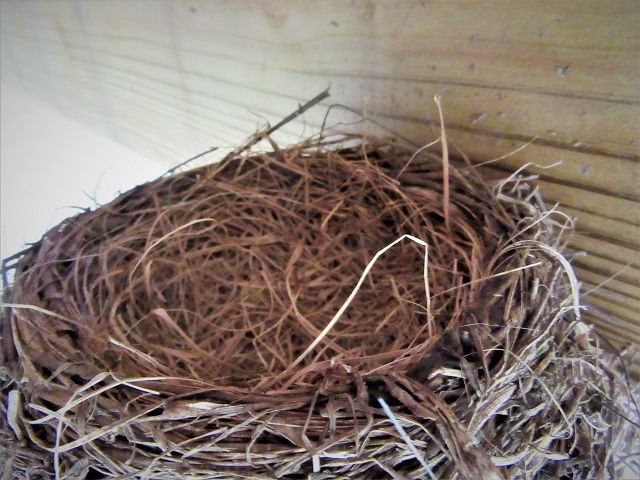
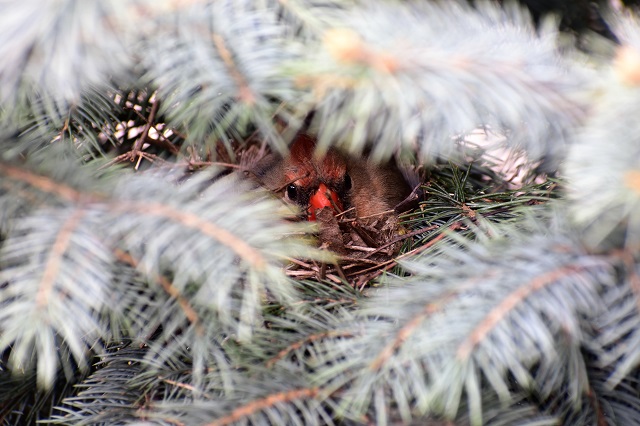
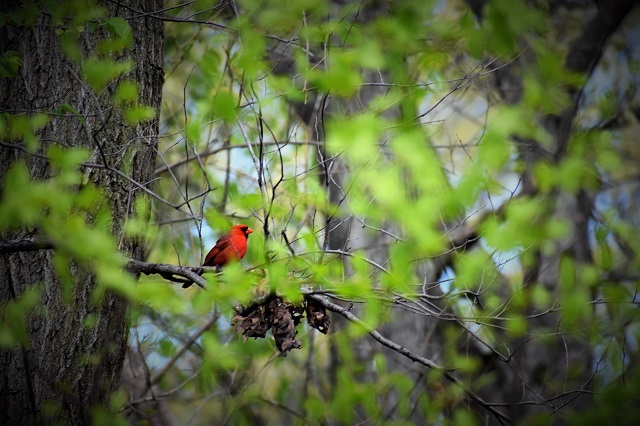
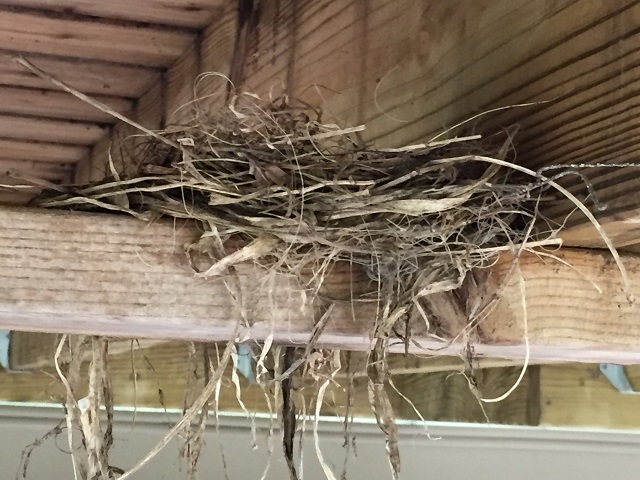
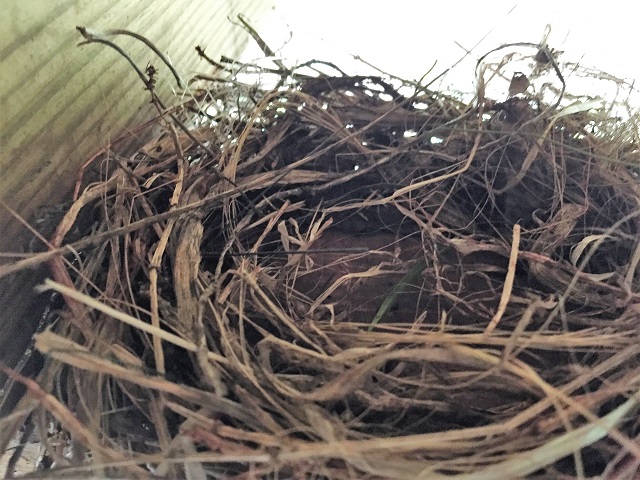
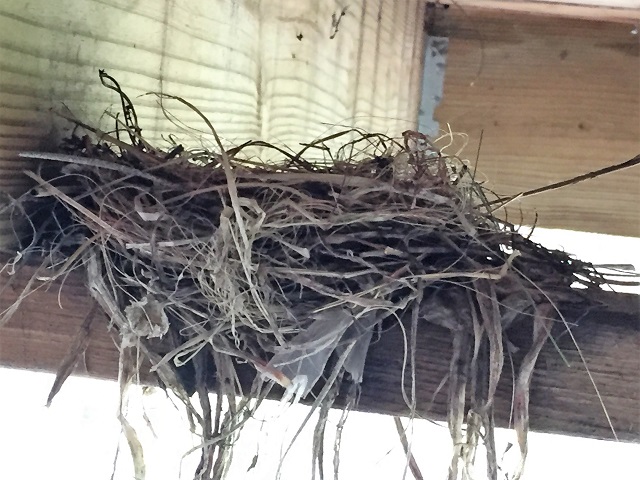
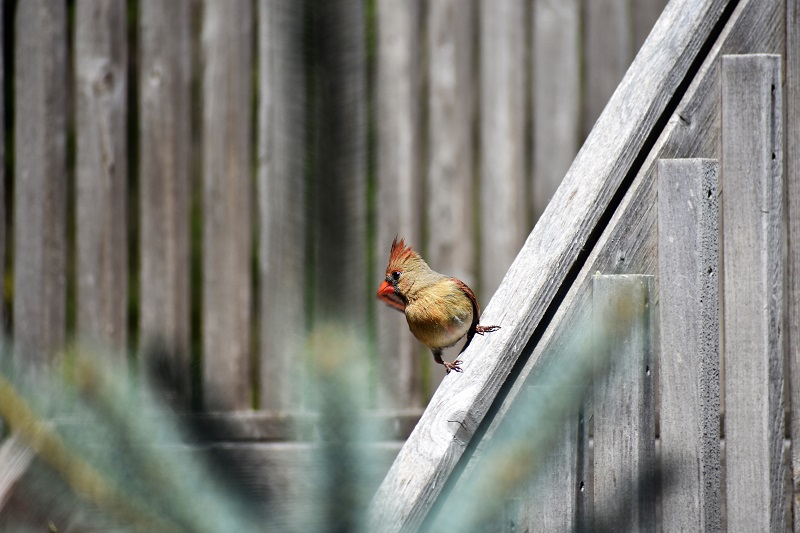
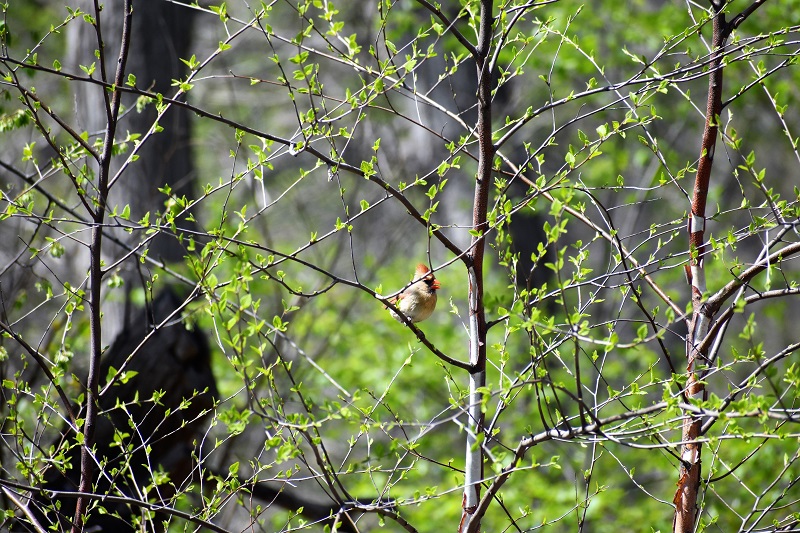
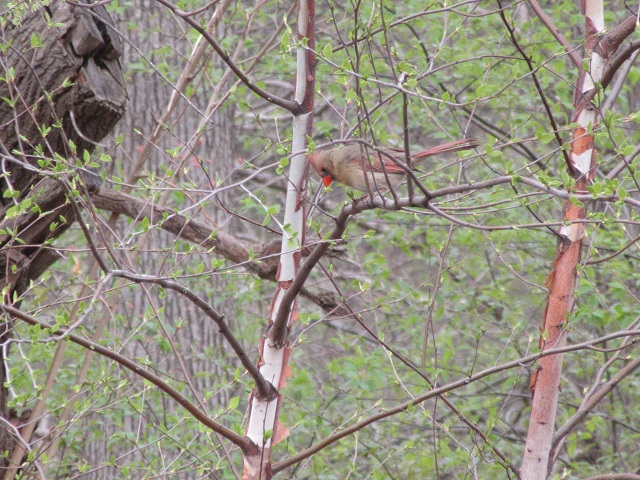
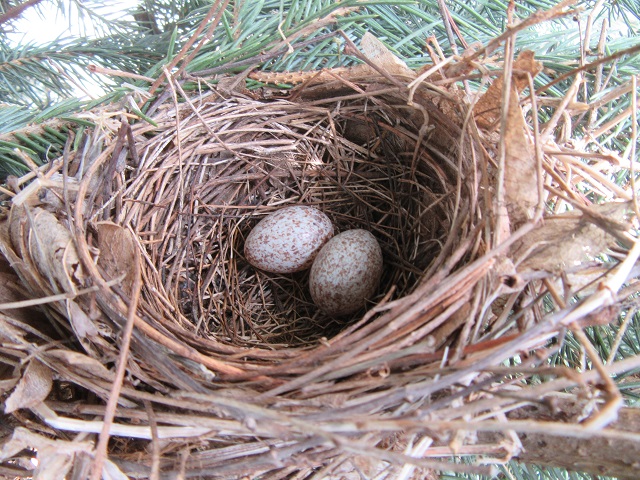
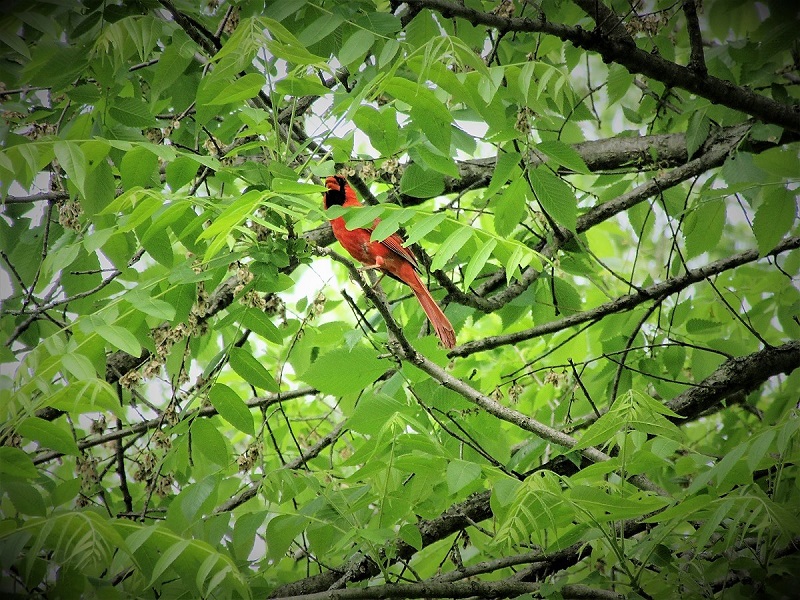
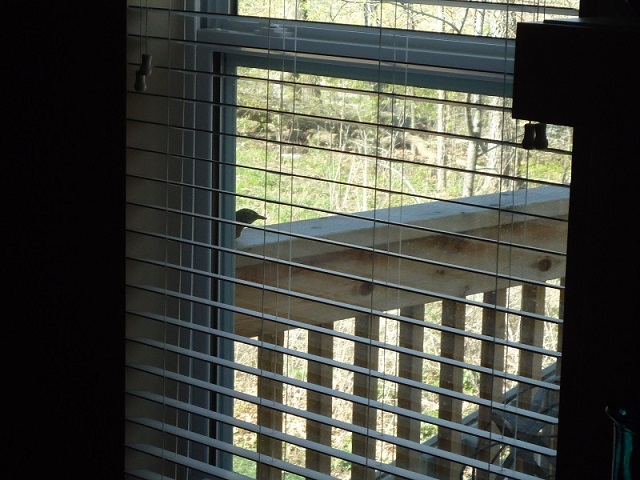
Here’s an update on front-yard and back-yard birds, doing what birds always do in the spring–nesting. There were still only two cardinal eggs in the nest as of last Wednesday. There are no robin eggs in the nest; they would be blue. The parents are still pretty fussy (click on the images to see them better).

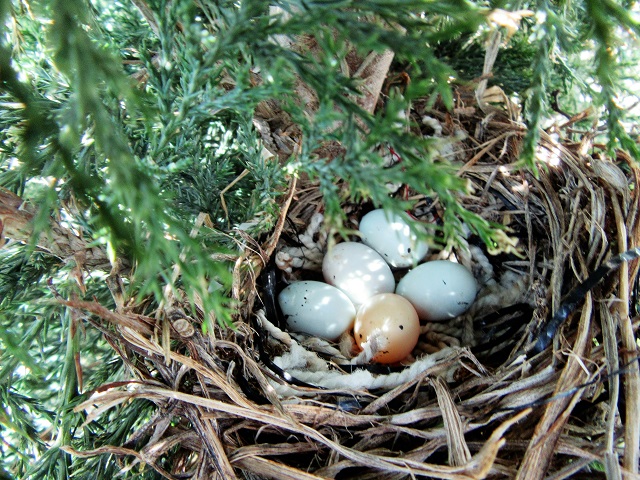
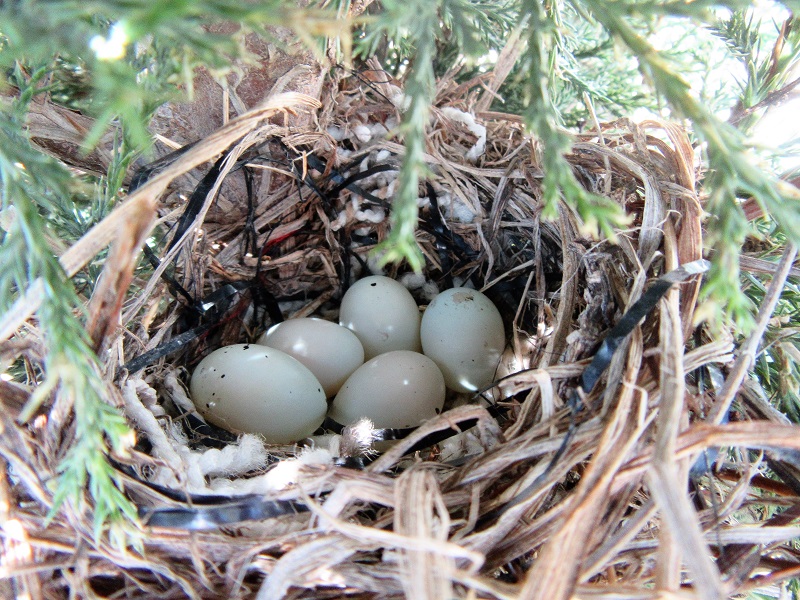
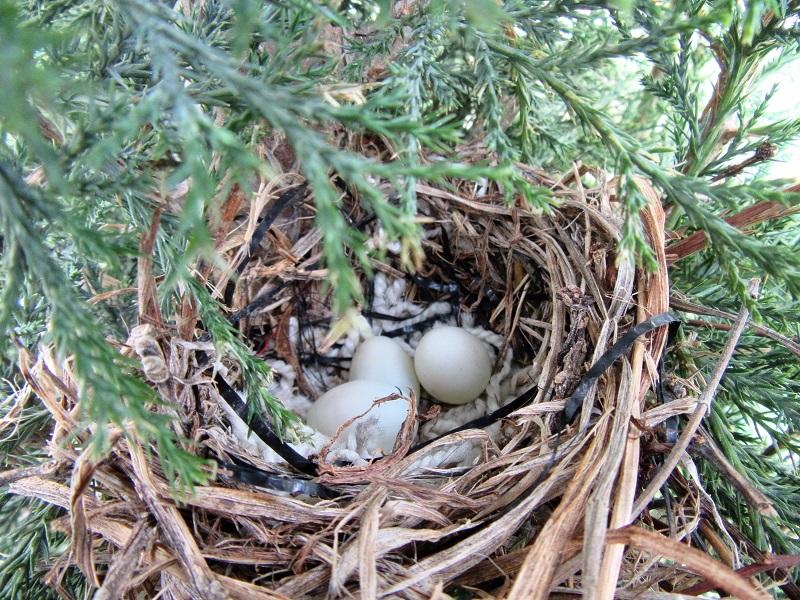
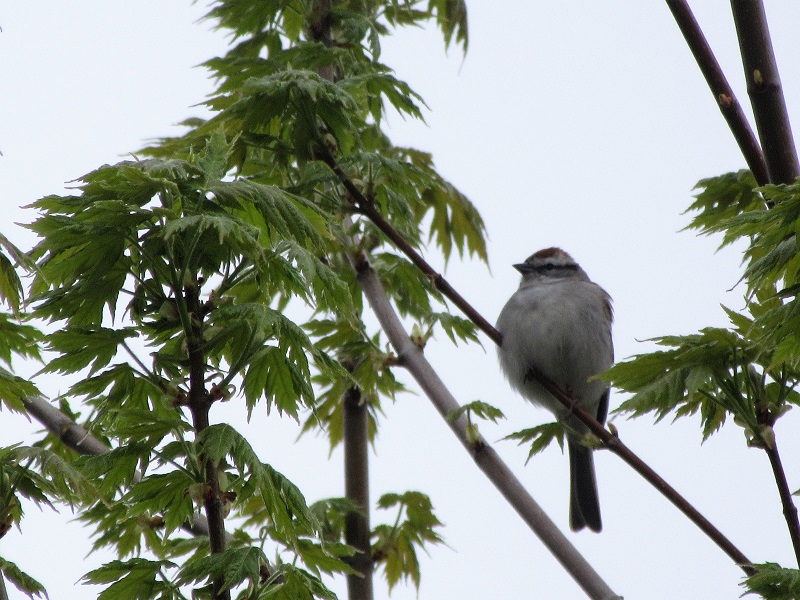
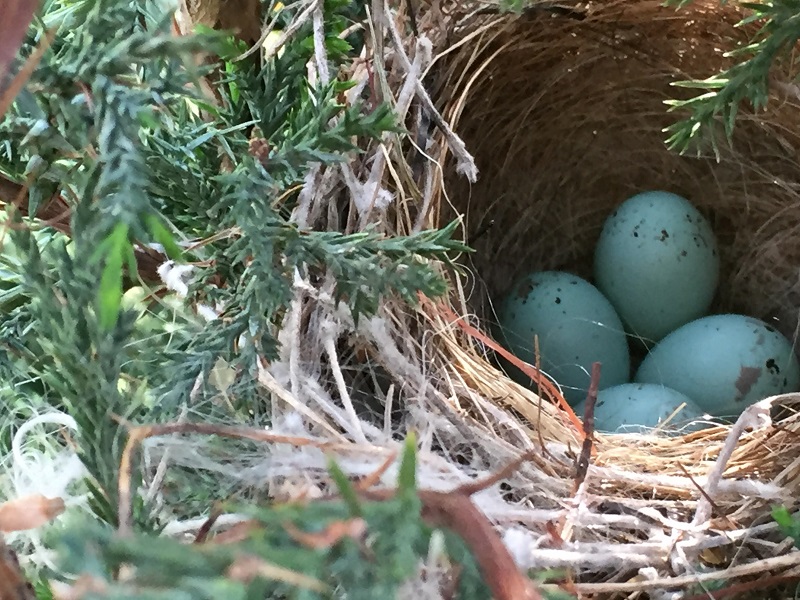
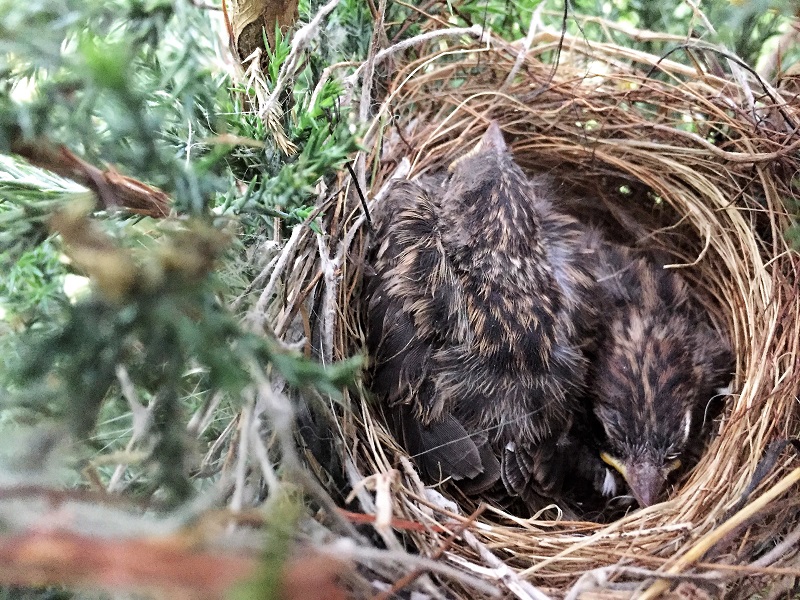
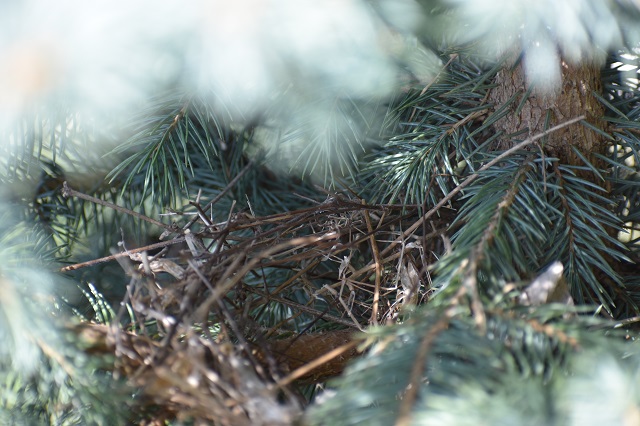
The front yard juniper (I guess it’s a juniper; it’s a skinny evergreen) has a Hoorah’s nest with 3 white eggs. The parentage of the eggs is tough to figure out so far.

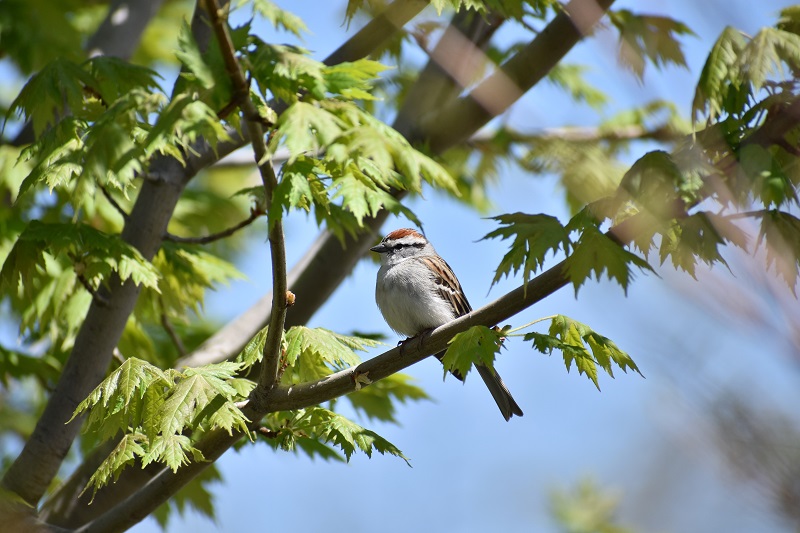
I’m not sure what’ll hatch out of those eggs. The nest itself is pretty messy for a chipping sparrow. It’s loosely woven and has bits of what looks like white textile fibers strewn around the nest and scattered on the tree branches just outside. It’s about 5 feet off the ground.
Mystery eggs

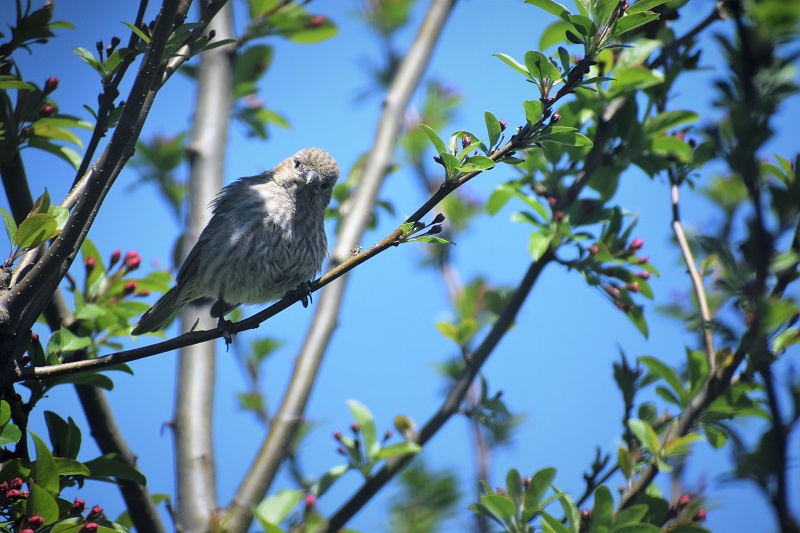
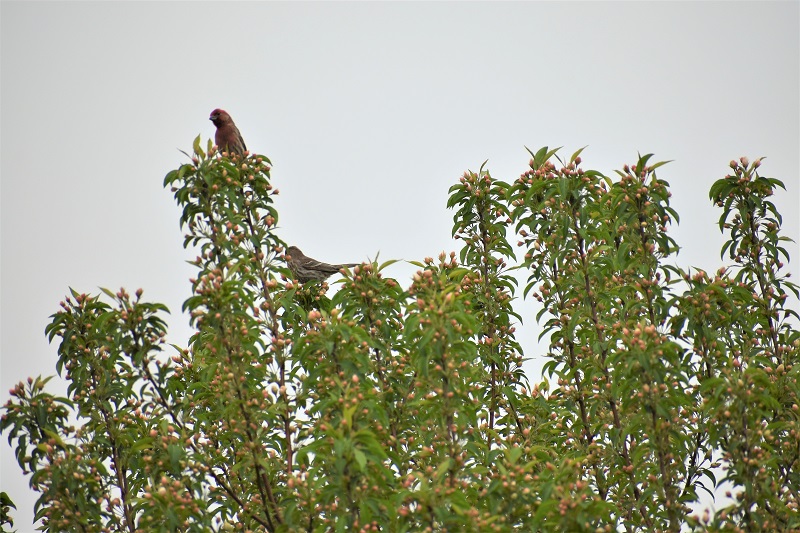
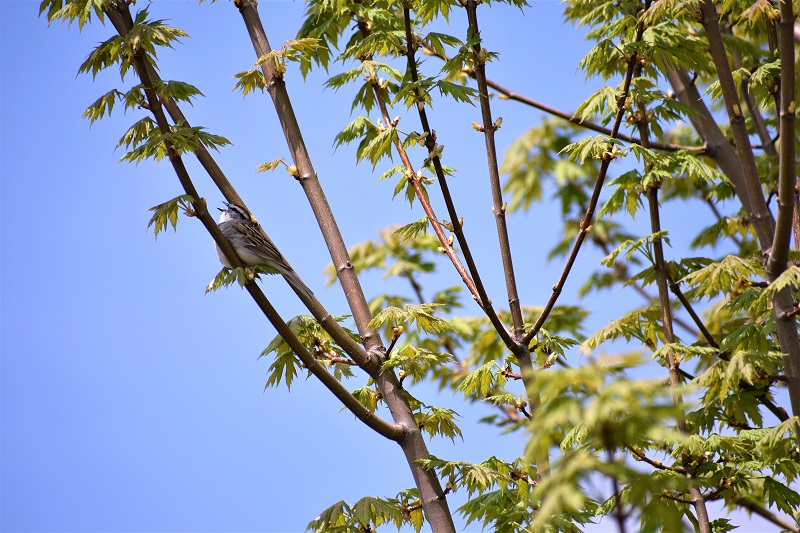
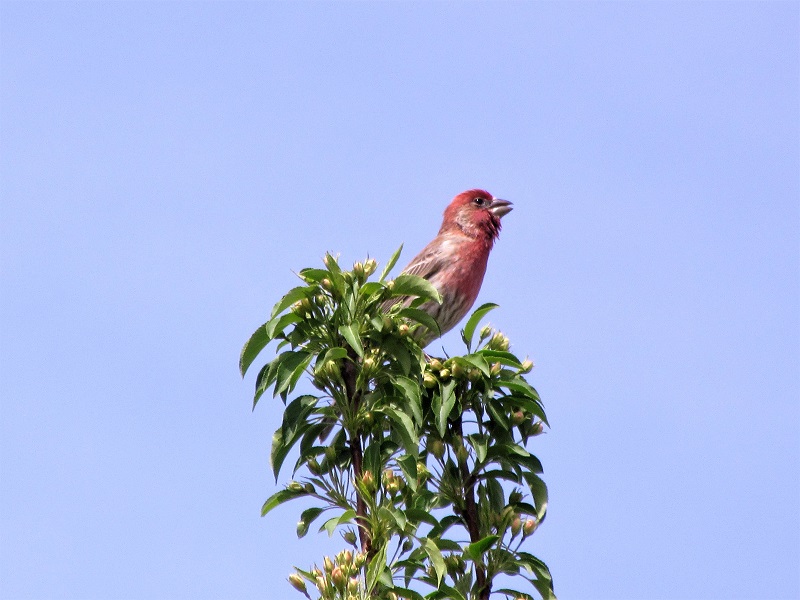
I’ve seen a male house finch and what looks like a female chipping sparrow hanging around the nest. They both look like they fly out of the juniper when I approach. I’m no expert but I doubt house finch males are that promiscuous. They both fuss at me, but from different trees.

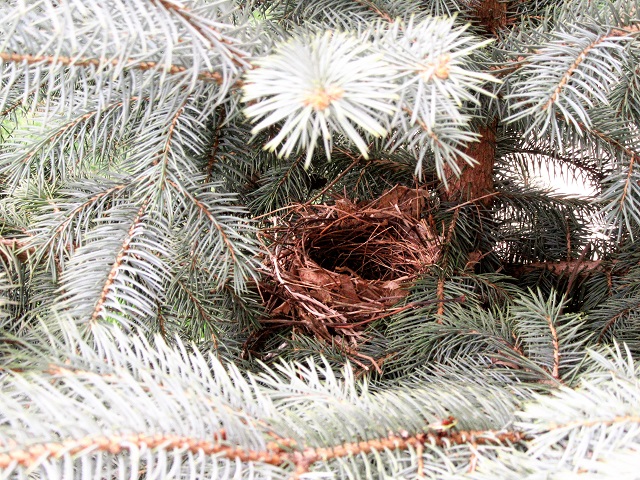
The eggs are non-descript. They don’t look like the chipping sparrow eggs we had in the spruce tree right next to the juniper about two years ago. Those eggs were definitely blue and the hatchlings were definitely sparrows. The only thing in that spruce now is what looks like it might be last year’s nest, from what I don’t know.

House finch eggs are usually “pale blue and lightly marked”, according to my Birds of Iowa Field Guide by Stan Tekiela (2000). Lightly marked with what? Don’t think about it.

Cardinals vs Robins?

I’m not sure what to think about our cardinals. We saw the egg cache go from two to three—than back to two in the same day. No kidding, the nest gained a third egg in the morning and lost it in the afternoon.

I looked all over the ground and couldn’t find it. Before that, I was hunting around the web trying to learn more about cardinals and discovered that robins and cardinals will sometimes lay their eggs in the same nest. It’s not always clear why this happens, maybe competition or mutualism. Maybe they’re just swingers.

There was an article published about nest-sharing between cardinals and robins several years ago, published in The Wilson Journal of Ornithology. The authors observed cardinals and robins sharing a nest with mixed eggs in Polk County, Iowa of all places. Iowa is a happening place. Both species incubated the eggs; however, only the robins fledged.

“Govoni, P. W., et al. (2009). Nest Sharing Between an American Robin and a Northern Cardinal, BIOONE.

           Mixed-clutch nest sharing was observed between an American Robin (Turdus migratorius) and a Northern Cardinal (Cardinalis cardinalis) in Saylor Township, Polk County, Iowa in May 2007. The nest contained three American Robin eggs and two Northern Cardinal eggs, but only American Robin young were fledged successfully. This was not a case of brood parasitism, as both females were observed alternating incubation of the nest. Competition for desirable nest sites might be a possible cause for this type of interspecific behavior.”

Others speculate that robins will eat cardinal young. I’m not so sure about that. Based on what little I found on the web about it, it’s controversial whether robins actually raid cardinal nests to eat the eggs. They rarely will eat shrews and small snakes. Like me, they hate coconut. They eat a lot of chokecherries, often after they’ve fermented into wine, on which they get pretty drunk and could play pranks on cardinals (“Hey, let’s go cardinal-tipping and steal some eggs!”).They sure like worms and follow my wife around as she waters the lawn, snacking on them as they emerge from their flooded tunnels, gasping and frantically hunting for their flood insurance policies. They also ham it up for the camera.
Robin hamming it up and probably three sheets to the wind.

My wife has spied a robin or two flying around the back yard. It raises questions about competition because robins nested and raised a brood last year in the same tree and in the exact same spot where the cardinals are settled this year.

It’s hardly prime real estate in my opinion. We’re always out in the back yard, making noise and flinging water and grass clippings. And we’re continually nosing around the nests, which makes the adult birds pretty nervous and fussy, putting up Do Not Trespass signs and privacy fences.
If robins ate the third egg, they had excellent table manners. There’s no trace of shell or yolk anywhere. I wondered if the cardinal had carried off one of the eggs out of impatience with our continual spying on their nest. But how? The eggs look too big for a bird’s beak. Can they carry it in their feet? Or do they own luggage?

And where would they take it? I supposed it’s possible they could be taking it to another nest they previously built—but it would be occupied by a previous brood. Cardinals nest more than once a season; the male feeds the young while the female builds another one, according to Birds of Iowa Field Guide by Stan Tekiela (2000).

I have no idea what’s going on with these birds. I’ll keep you posted as the situation develops.

More Time for Birds

I’m off service for a while, which means I have more time for birds. Right now, my wife and I are trying not to spook the cardinals. It looks like they’ve finished the nest and we’re waiting for the eggs.

This will be the first time we’ve seen cardinals nesting in our yard. It’s a little strange, because the cardinals chose the same evergreen tree as the robins did last year.

The robins built a pretty sturdy nest but the cardinals just threw one together. It looks pretty flimsy.

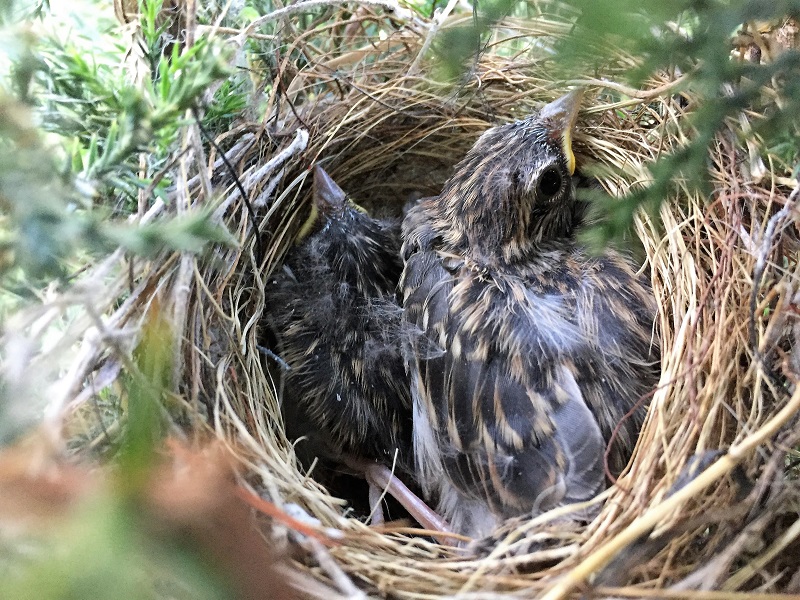
A couple of years ago, chipping sparrows raised chicks in one of our front yard evergreen trees. They were cute.

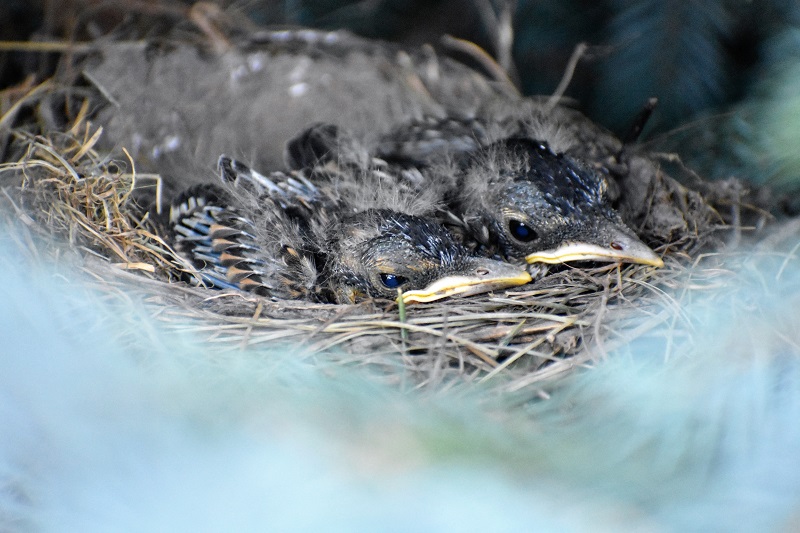
But the baby robins looked like little dinosaurs.

I imagine the new cardinals will look pretty scruffy.

They Work Here Too

The cardinal nest is pretty much done—no eggs yet, though. At least we think it’s a cardinal nest. It looks typical according to experts; loosely woven of twigs, leaves, stucco, and ponderosa pine accents. They’re pretty fussy about us snooping around the backyard evergreen tree they chose to build a home in.

Any day now, we’re hoping to see a clutch of eggs, bluish white with brown markings. Or maybe pale green with brown-lilac spots. Or possibly whitish to pale bluish or greenish white, marked with brown, purple, and gray. Or Hawkeye black and gold. It all depends on which guidebook you read, I guess.

I’m gradually getting back into bird watching and spending less time with my head at the hospital (“Earth to Jim!”). Doctors learn to spend all their time either on the wards or in the clinic. It reminds me of a couple of scenes from Men in Black (MIB) II.

As Agent J walks into the MIB complex at Battery Park, the elevator dude says “Don’t you ever go home? Agent J says “Nope.”

Later he drops into Zed’s office and asks, “What you got for me?”

Zed replies, “Look. See those guys in black suits? They work here. We got it covered.”

That’s how physicians can get after years of acculturation into the driven doctor model. Often enough, I take most of the work away from the trainees, when they’re not looking. And I take my work home—that’s called pajama time.

Hey, those dudes work here too. I have a tendency to see myself as almost indispensable, which makes it hard to envision retirement at times.

I have to keep reminding myself that I’m not the only doc who can do my job. The next generation of doctors are eager and ready. They deserve a chance. But I sometimes catch myself telling old war stories about how hard it was when I was a resident or a junior attending.

“I remember when I had to walk 40 miles to work in the driving blizzard alternating with blazing heat (it’s Iowa) to get to my 6 x10 foot office in the basement to stoke the fire in the pot-bellied stove for coffee and grits at 4:00 in the morning, before the damn birds even get up, milk a few dozen cows in the atrium, chase the pigs out of the operating rooms and then go see about a hundred or so consultations before 7:00 in the morning I tell you, then write notes until midnight, be on call until 3:30 the next morning and do it all over again. What do you guys know about work?”

I may exaggerate a little bit. Usually there weren’t that many cows in the atrium.

It can be difficult to unwind from the physician’s treadmill. But as time goes on, I look forward to seeing the birds build nests, to see the brand-new eggs, the ugly chicks who look like little dinosaurs until the feathers grow out. I can pay more attention to the world outside the hospital, where the new doctors are stoking the fire.

Who’s a Hoorah’s Nest?

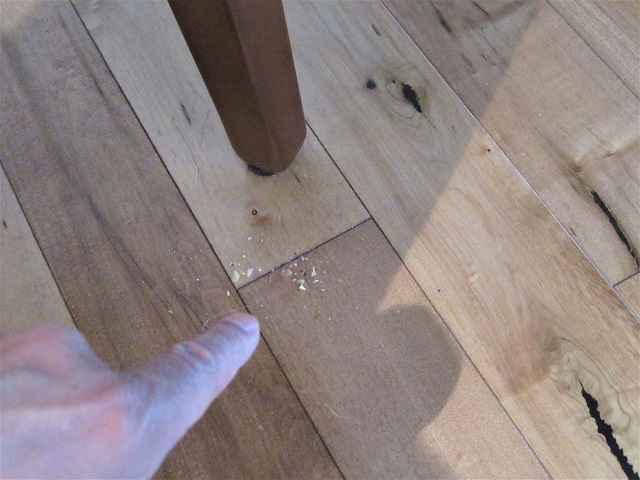
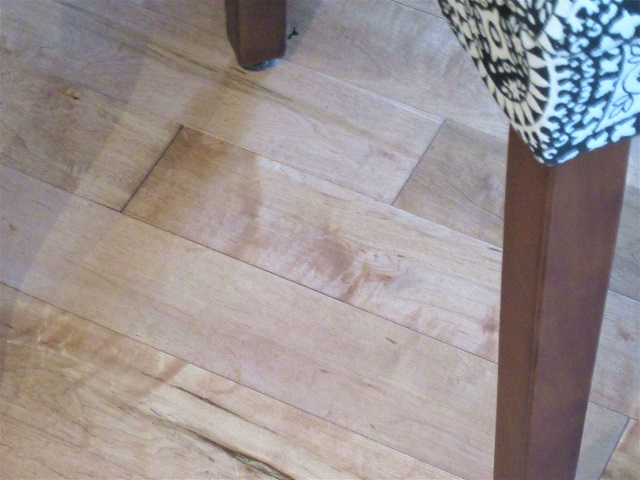
I asked my wife this morning if she ever got any food in her mouth, pointing to the floor under her dining room chair—where there was a small pile of crumbs and whatnot.

It was a regular Hoorah’s Nest (also known as Hurrah’s Nest). That’s just about anything (hairstyle, person, place, situation, my so-called cooking) that’s a big, disorganized mess. Don’t worry, she gave me permission to blab about this. I still have a place to live. You can send cash donations to my GoFundMe campaign if you want, though. I’ve got renovations planned.

My side of the floor is immaculate, of course. No Hoorah’s Nest on me.

You can look on the web for definitions of Hoorah’s Nest and the origin of the term, which includes speculations about a cryptid bird called a Hoorah. It doesn’t excite cryptozoologists as much as Bigfoot does.

On the other hand, we think we saw the Hoorah about three years ago. I have several snapshots of its nest—which was a certified mess and a sign the bird needed professional help.

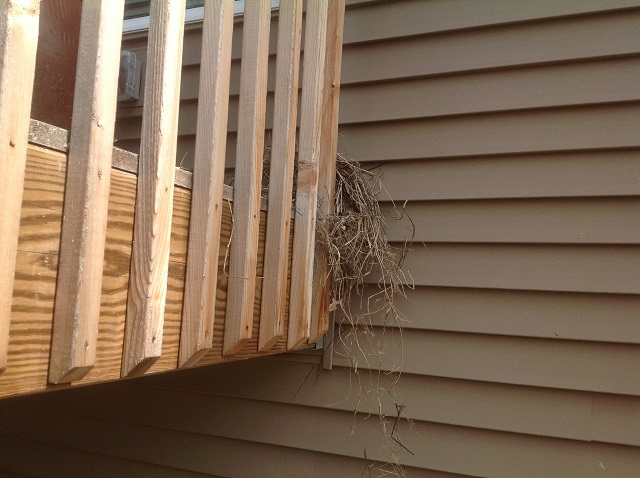
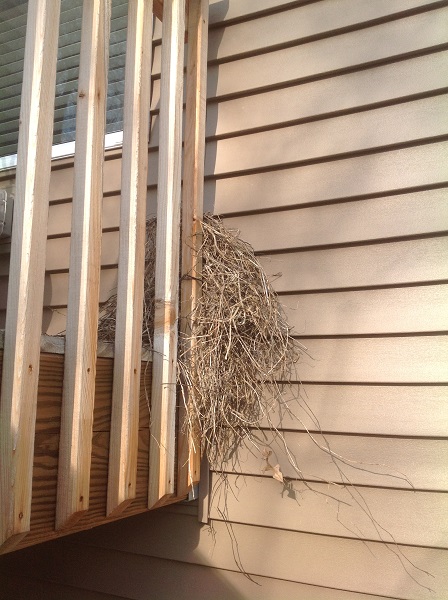
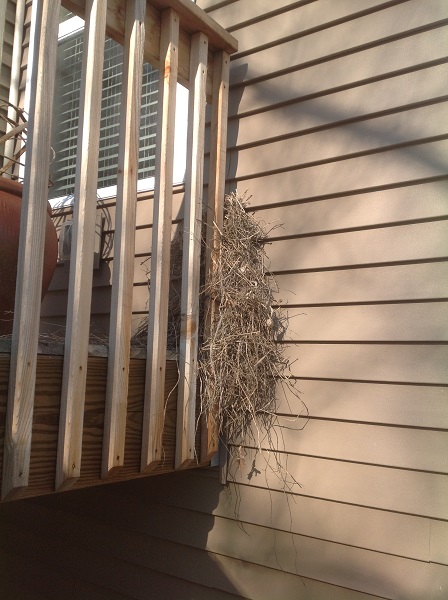
We tried to assist this Hoorah. Every time it started to go wrong in the construction of the nest (which was immediately), we tried removing the mess from the spot it chose to erect it.

The site was between our house and the back porch rail. Apparently, it was unfamiliar with trees.

It might have been high on drugs. On the other hand, the only bird I know of who has a substance abuse problem is the Cedar Waxwing. It overeats fermented berries and gets so drunk it can’t find its way home, much less build one.

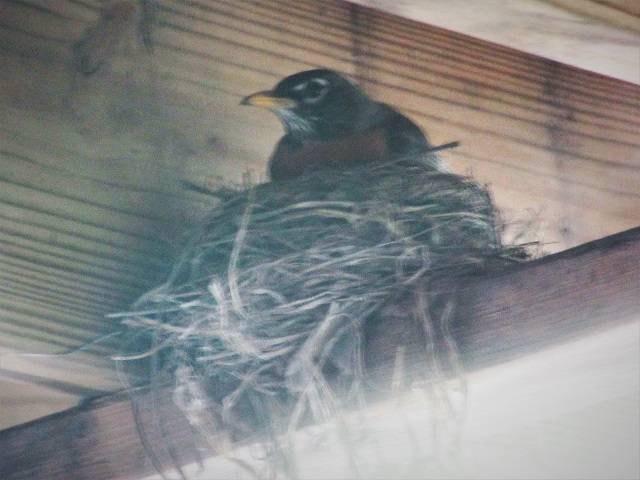
But this bird might have been from another planet—a world where trees don’t exist and nest-building skills are optional. I could get only one picture of the Hoorah—also known as a Robin. Their nests get the big Hoorah.

The shy and rarely seen Hoorah…otherwise known as a robin.

Other birds make really messy nests, though: Mourning Doves, even the Cardinals (on the right) who we might have already scared away just by staring at them through our window.

Holler if you see a Hoorah.

Toeless Mourning Doves

I’m an amateur bird watcher. Last August, I saw a toeless Mourning Dove with what some people would call String Foot, a foot deforming condition that might be caused by a variety of injuries. I had never seen anything like it.

Toeless Mourning Dove

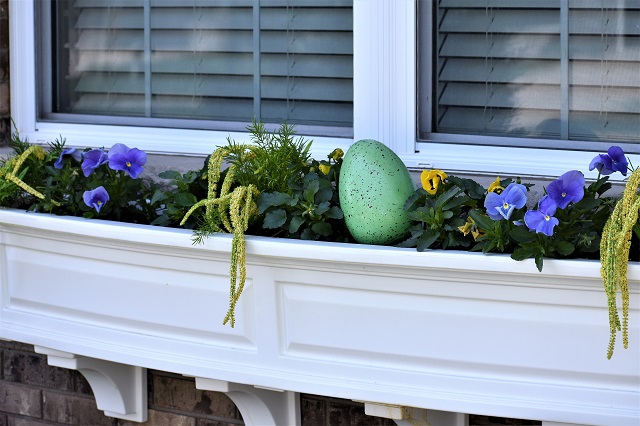
In the slide show you can see a bird seemingly sitting in its own poop, which is said by some to cause the problem—which I suspect is doubtful. The last shot is that of a pair of doves trying to nest in our window box, which was full of sharp, plastic artificial plants. It was painful to watch and I wonder if their hazardous habits could lead to injuring their feet.

Mourning Doves nesting on a speaker

I’ve seen Mourning Doves do strange things, mainly nesting in areas that don’t make much sense. Years ago, we could not dissuade a pair of them from building a home on top of one of the audio speakers mounted outside on our deck. Cranking up the volume didn’t work.

I clicked around the web trying to find out about the problem. Speculation about the causes of these injuries range from something called String Foot (string or human hair used to build nests getting wrapped around toes leading to amputation), sitting in poop leading to infections, and frostbite.

I think frostbite is plausible, and so did a birdwatcher named Nickell, who published an article about it over a half century ago; Nickell, W. P. (1964). “The Effects of Probable Frostbite on the Feet of Mourning Doves Wintering in Southern Michigan.” The Wilson Bulletin 76(1): 94-95, complete with hand-drawn illustrations that look exactly like the one in the slide show.

In the book, Birds of Massachusetts and Other New England States by Edward Howe Forbush, you can read one of the many anecdotes from amateur ornithologists about bird behavior that Forbush collected for his book, which was published circa 1929 (I actually plucked it from one of E.B. White’s essays):

“Mrs. Olive Thorne Miller. Reported case of female tufted titmouse stealing hair from gentleman in Ohio for use in nest building. Bird lit on gentleman’s head, seized a beakful, braced itself, jerked lock out, flew away, came back for more. Gentleman a bird lover, consented to give hair again. No date.”– Forbush, Edward Howe, 1858-1929. Birds of Massachusetts And Other New England States. [Norwood, Mass.: Printed by Berwick and Smith Company], 192529.

I wonder why a bird would risk String Foot by using hair in nests?

Robins Are Back

I see the robins are back. One of the activities that I’m gradually picking up again is bird watching. I’m still getting used to the new DSLR camera I bought last summer. I’m not a fanatic about it nor an expert photographer by any stretch of the imagination, but it’s fun.

One of my earlies encounters with birds was when I was a newspaper delivery boy. That was also when I had to get up very early in the morning to get my papers at the drop-off corner. I used an alarm clock with a transparent face which revealed the inner works, all in different colors. I’m still an early riser.

Swallow nestling waiting for lunch

Anyway, I had to cross a railroad yard to get to the corner and each and every morning birds would swoop at my head. I had to swing my paper bag at them, just to get across several sets of tracks. They might have been swallows nesting nearby although I’m just guessing.

Swallow feeding nestling

I never understood why birds would hang around busy, noisy railroad tracks. I just did a web search today and it turns out that railroad tracks don’t necessarily deter birds from hanging out there. The intermittent noise of trains may be less of a deterrent than constantly busy highways.

Last spring, I got a video of Mourning Doves billing and cooing.

They hung around our property and actually tried to build a nest in our front window box. They are not very careful nest builders. We had very pointy, sharp, plastic artificial plants in the window box and it looked painful for them to pick their way around them.

I’m looking forward to bird-watching again this spring.

A robin singing
Wiącek, J., Polak, M., Filipiuk, M. et al. Do Birds Avoid Railroads as Has Been Found for Roads? Environmental Management (2015) 56: 643. https://doi.org/10.1007/s00267-015-0528-7